



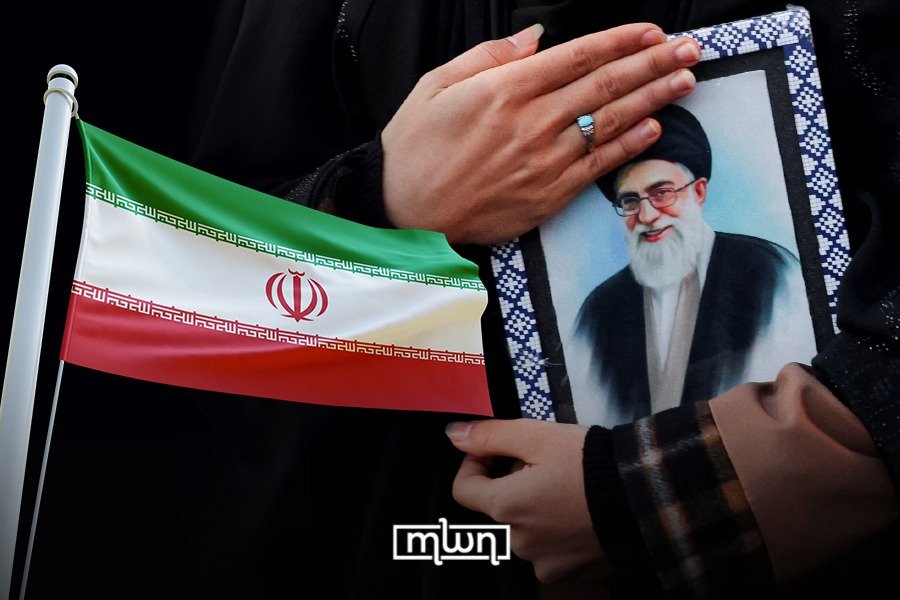

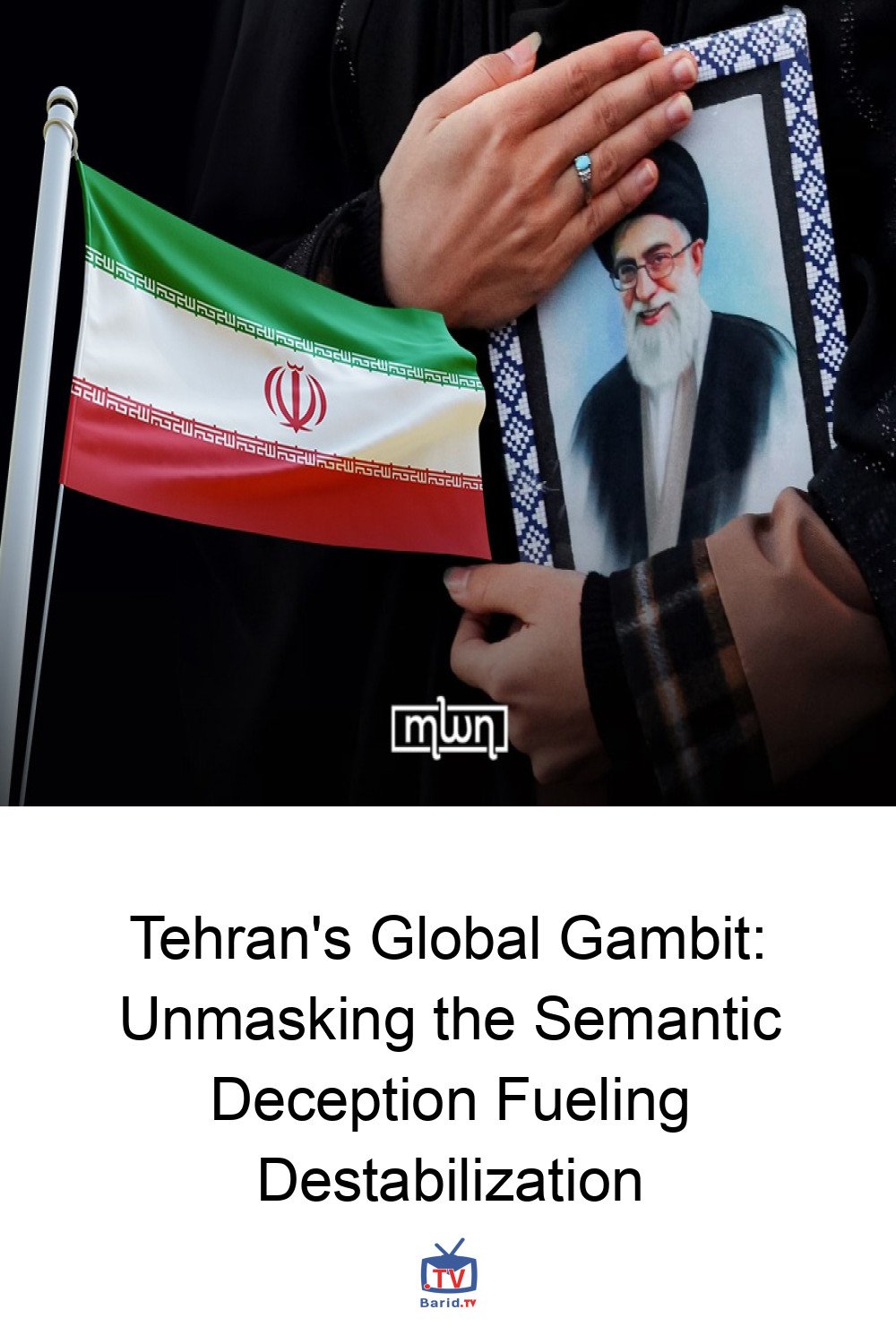
Tehran’s Global Gambit: Unmasking the Semantic Deception Fueling Destabilization
For too long, the international community has grappled with understanding the true nature of the authorities in Tehran. Often misconstrued as a benign force of “resistance” or “spirituality,” or cloaked in a veneer of moral authority through Islamic rhetoric, the reality is far more sinister. This theocratic autocracy has meticulously crafted one of the world’s most sophisticated networks of armed non-state actors, extending its reach from the Middle East to Africa, Asia, and Latin America, systematically destabilizing entire regions.
The profound tragedy in this narrative is that the Iranian people themselves—courageous, cultured, and overwhelmingly opposed to this authoritarianism—bear the brunt of a state that relentlessly prioritizes ideological expansion over the welfare and prosperity of its own citizens.
The Semantic Trap: A Republic in Name Only
One of the regime’s most cunning deceptions lies in its very nomenclature. By adopting the title of a “republic,” it cunningly implies a mandate from the people. Yet, this democratic facade crumbles under the weight of the “Supreme Leader,” a lifetime appointee wielding unchecked power over the military, judiciary, and media. Furthermore, potent concepts like “resistance” and “Islamic unity” are not upheld as theological principles but are cynically deployed as instruments of statecraft. This strategic manipulation serves to recruit, divide, and influence, all while claiming to protect the “oppressed.” In stark contrast to these claims, the regime’s proxies have been directly responsible for the displacement and deaths of hundreds of thousands of Muslims across the region.
The ‘State Capture’ Model: Hollowing Out Sovereign Nations
Tehran’s most destructive modus operandi is its “state capture” model, a strategy designed to build a “state within a state” and effectively paralyze sovereign nations:
- Lebanon: Once celebrated as the “Paris of the Middle East,” Lebanon has been tragically crippled by decades of Hezbollah’s parallel military and political structure. Operating as Tehran’s forward base, Hezbollah has effectively held the Lebanese state hostage, plunging the nation into economic collapse and political paralysis.
- Iraq:
In the aftermath of the 2003 invasion, the regime leveraged the IRGC-Quds Force to fund and arm militias. These groups have systematically fragmented Iraqi society, undermined state sovereignty, and transformed the country into a battleground for external interests.
- Palestine:
Perhaps the most cynical exploitation is the regime’s manipulation of the Palestinian cause. Tehran has tirelessly worked to keep Palestinian factions divided, funding and arming groups like Hamas and PIJ to ensure they remain at odds with the Palestinian Authority. This calculated “divide and rule” strategy deliberately thwarts any peaceful, negotiated resolution with Israel, as a stable Palestinian state would strip the regime of its most potent propaganda tool.
Aggression in the Gulf: Diplomacy Exploited, Sovereignty Disregarded
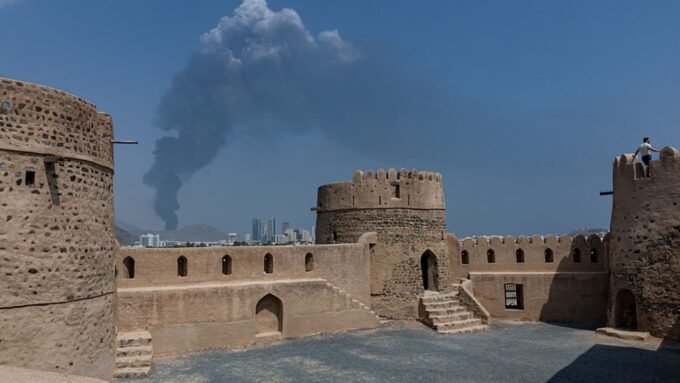
The years 2024 and 2025 witnessed the further erosion of Tehran’s pretense of “regional brotherliness.” Despite earnest diplomatic efforts by Gulf states to de-escalate tensions, the regime has brazenly launched direct and indirect attacks on civilian infrastructure across the GCC. From threats against vital maritime shipping lanes to the targeting of US military installations and civilian airports in the Gulf, Tehran has unequivocally demonstrated its disregard for the neutrality and sovereignty of its neighbors. These assaults, even on nations like Qatar which often served as mediators, expose a regime that perceives all diplomacy as a weakness to be ruthlessly exploited.
The IRGC: A Transnational Mafia-State Economy
At the heart of this authoritarian apparatus lies the Islamic Revolutionary Guard Corps (IRGC). Far more than a mere military force, the IRGC functions as the true engine of the state, having effectively cannibalized the national economy. Controlling an estimated 50% of the national GDP, the IRGC systematically hollows out the private sector to finance global illicit trades, including narcotics smuggling. This ensures that the ruling elite remains obscenely wealthy, while the Iranian populace endures widespread poverty and faces an impending ecological “water bankruptcy”—a direct consequence of systemic corruption and mismanagement.
International Law: A Framework for Accountability
The international community possesses a clear legal framework to address these destabilizing actions. The regime’s conduct flagrantly violates:
- The UN Charter: Explicitly prohibiting support for armed groups that undermine the sovereignty of other nations.
- Customary International Law: Upholding the fundamental duty of states to prevent threats to international peace and security.
- The Responsibility to Protect (R2P): Affirming the obligation to protect populations from mass atrocities and harm, a principle Tehran’s actions consistently breach.
Understanding Tehran’s sophisticated web of semantic deception and its strategic use of proxies is crucial for confronting its destabilizing influence and ultimately, for advocating on behalf of the Iranian people who remain its primary victims.
For more details, visit our website.
Source: Link



Leave a comment