



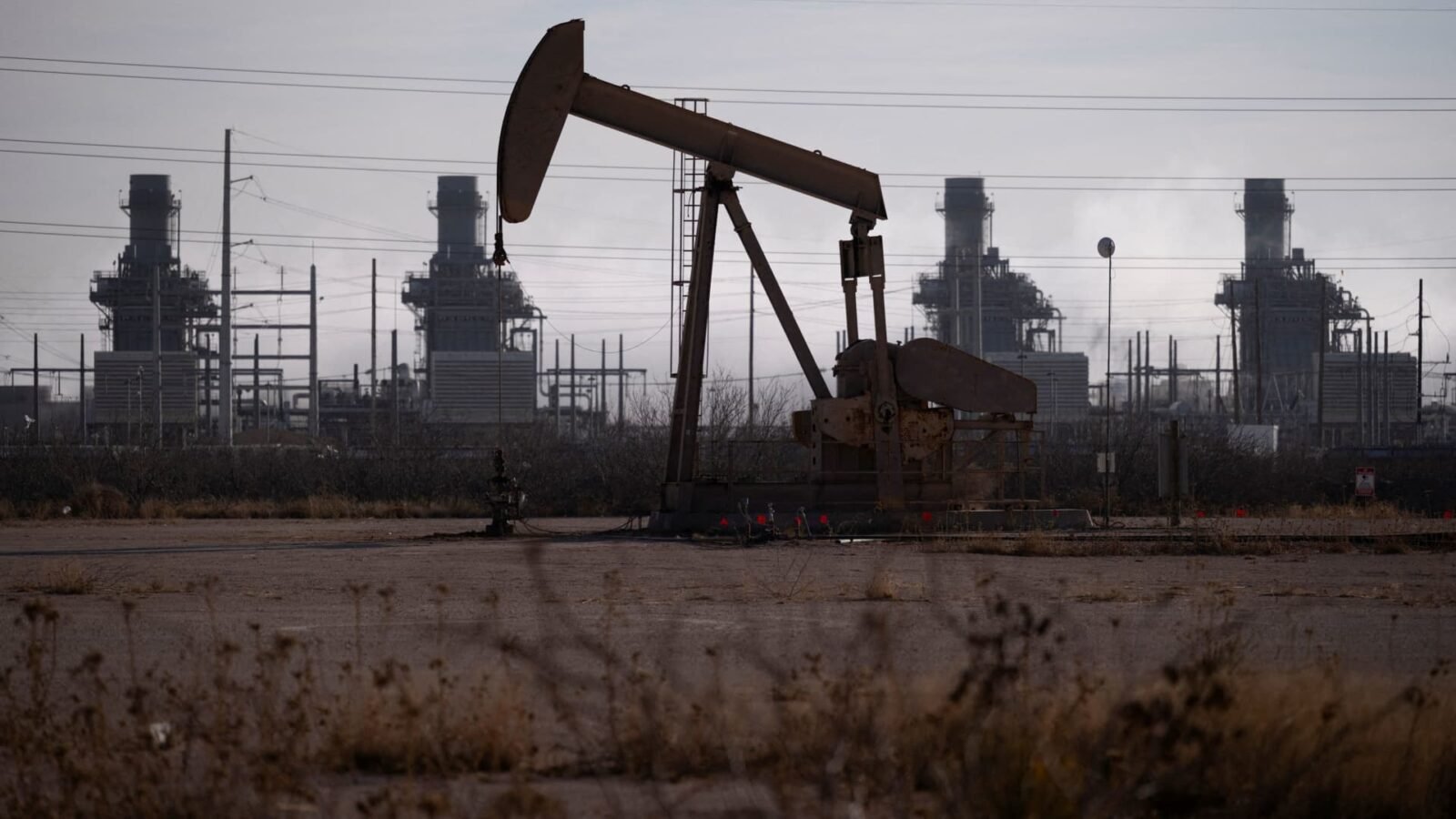

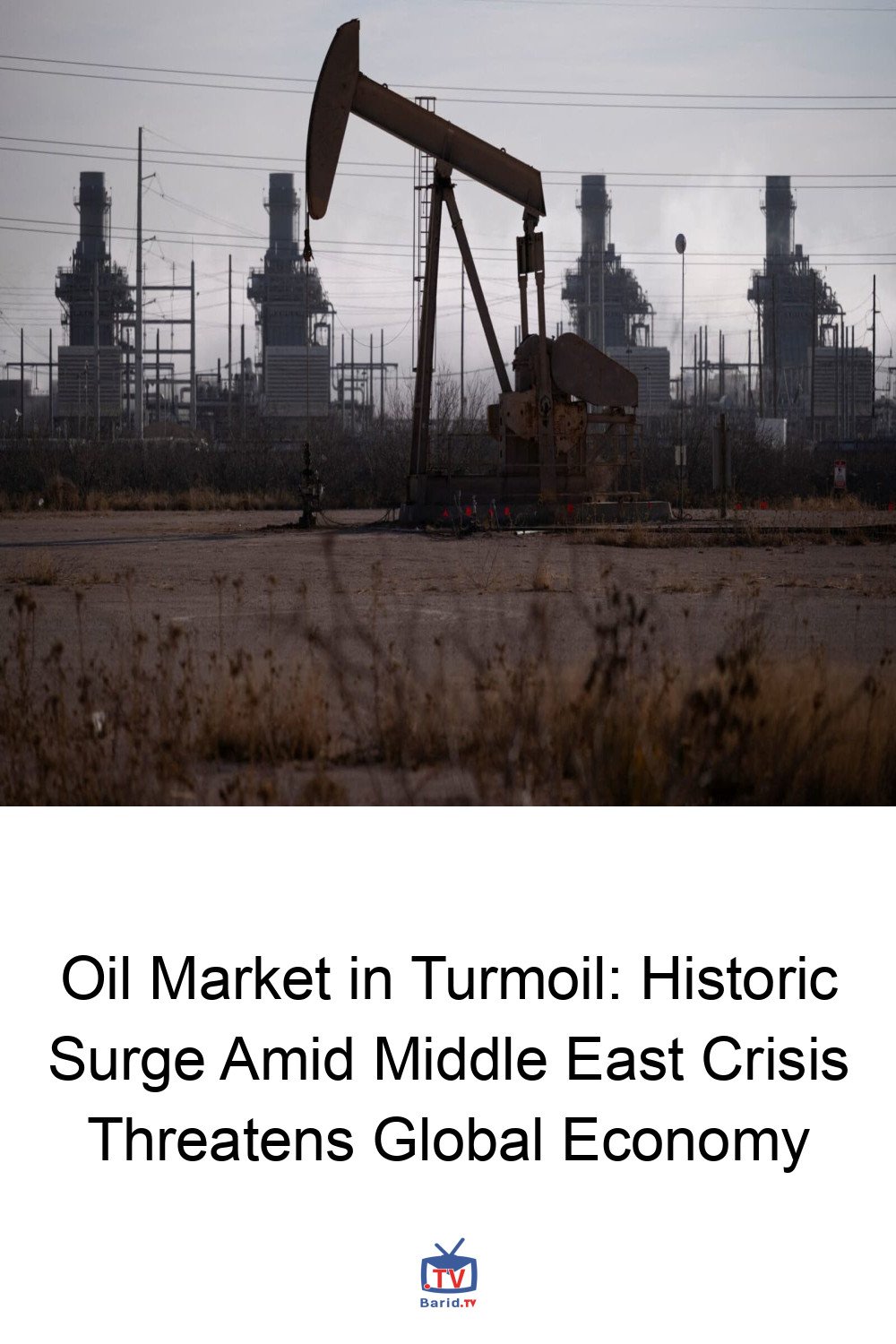
The global oil market has been rocked by unprecedented volatility, witnessing its most significant weekly surge in futures trading history. Amid escalating geopolitical tensions in the Middle East, particularly between the United States and Iran, crude prices have soared, triggering widespread alarm over potential global economic repercussions.
Oil Prices Skyrocket: A Historic Week
In a week that will undoubtedly be etched into energy market annals, U.S. crude oil futures (West Texas Intermediate) posted an astonishing 35.63% gain, marking its largest weekly increase since the contract’s inception in 1983. This monumental jump saw WTI futures close at $90.90 per barrel, up $9.89. The global benchmark, Brent crude, also experienced a dramatic rally, climbing 28%—its biggest weekly gain since April 2020—to settle at $92.69 per barrel, a rise of $7.28.
The Strait of Hormuz: A Chokepoint Under Threat
The primary catalyst for this historic price surge is the intensifying conflict in the Middle East. President Donald Trump’s recent demand for “unconditional surrender” from Iran has significantly heightened fears of a prolonged and destabilizing war. This has brought traffic in the Strait of Hormuz, a vital shipping lane through which a substantial portion of the world’s oil supply passes, to a near standstill.
Qatar’s energy minister, Saad al-Kaabi, issued a stark warning to The Financial Times, stating that if oil tankers are unable to transit the Strait, crude prices could skyrocket to $150 per barrel in a matter of weeks. Such a scenario, he cautioned, could “bring down the economies of the world.” Kaabi further elaborated that Gulf exporters would be compelled to declare “force majeure” if the disruption persists, shifting liability for unfulfilled contracts.
Tangible Disruptions and Economic Fallout
Beyond geopolitical rhetoric, the market is now grappling with concrete operational disruptions. Reports indicate significant production cuts, with Iraq halting 1.5 million barrels per day and Kuwait reducing output due to storage constraints. JPMorgan’s head of global commodities research, Natasha Kaneva, highlighted this shift, noting that the market is “shifting from pricing pure geopolitical risk to grappling with tangible operational disruption.” Kaneva projected that production cuts could reach 6 million barrels per day by the end of next week if the Strait remains inaccessible, with the United Arab Emirates also expected to face supply constraints.
The immediate impact is already being felt by consumers. The average price for a gallon of regular gasoline in the U.S. jumped nearly 27 cents in the past week, reaching $3.25, according to AAA data.
A War “Only Just Begun”
As the conflict between Iran and the U.S. entered its seventh day, U.S. Defense Secretary Pete Hegseth underscored the gravity of the situation, stating that the U.S. had “only just begun to fight.” He warned against Iran’s potential miscalculation regarding America’s resolve. The ongoing hostilities and their direct threat to global energy supplies underscore the fragile balance of the international economy, with the world watching anxiously as crude oil prices continue their volatile climb.
For more details, visit our website.
Source: Link





Leave a comment