




The world of snowboard bindings has long presented riders with a dilemma: prioritize lightning-fast entry and exit, or opt for the unparalleled control of traditional two-strap systems? For years, the choice meant a trade-off. Traditional bindings, while offering maximum hold, demanded time and effort to strap in and out – a fact skiers often gleefully point out. Step-on bindings offered speed but restricted boot choice and could compromise control if the fit wasn’t perfect.
However, a new era of hybrid solutions is emerging, promising the best of both worlds: rapid access without sacrificing the locked-in feel or the freedom to use your preferred boots. Leading this charge is the innovative Fast Entry System (FASE), a technology now licensed to industry stalwarts like Jones, Rome, Bataleon, and ThirtyTwo for the 2025-26 season. We spent a significant portion of the past season rigorously testing Jones’ Mercury FASE bindings, and the results are in.
FASE Forward: How the System Works
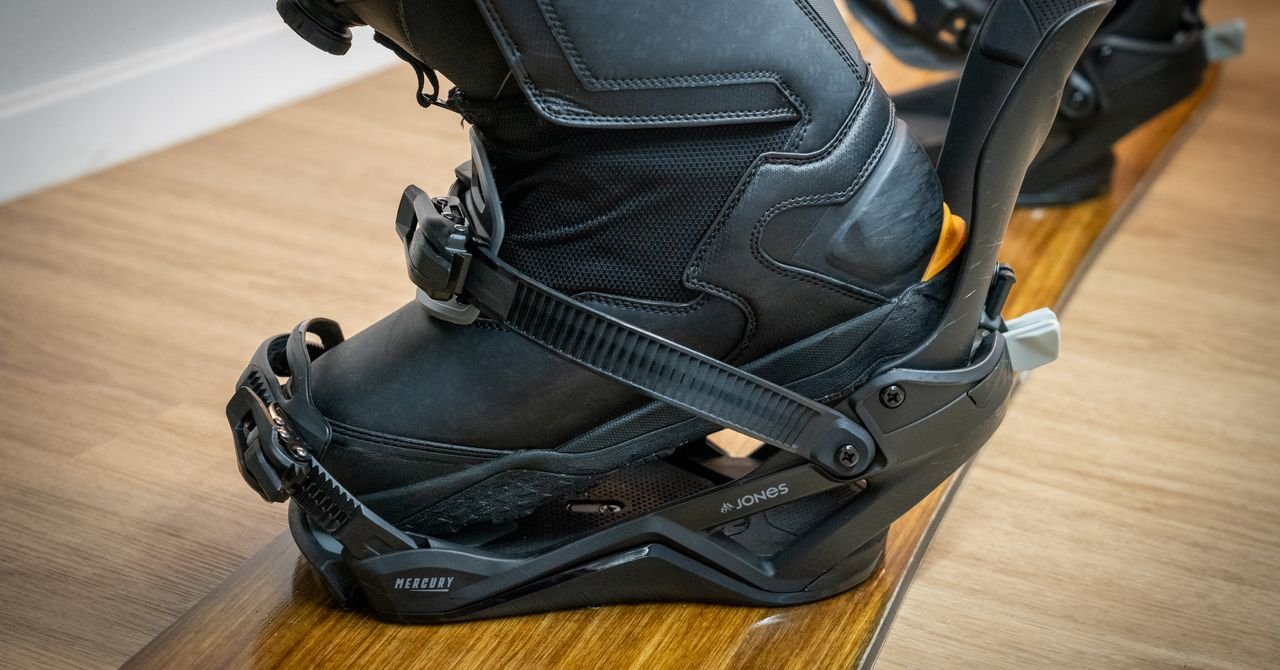
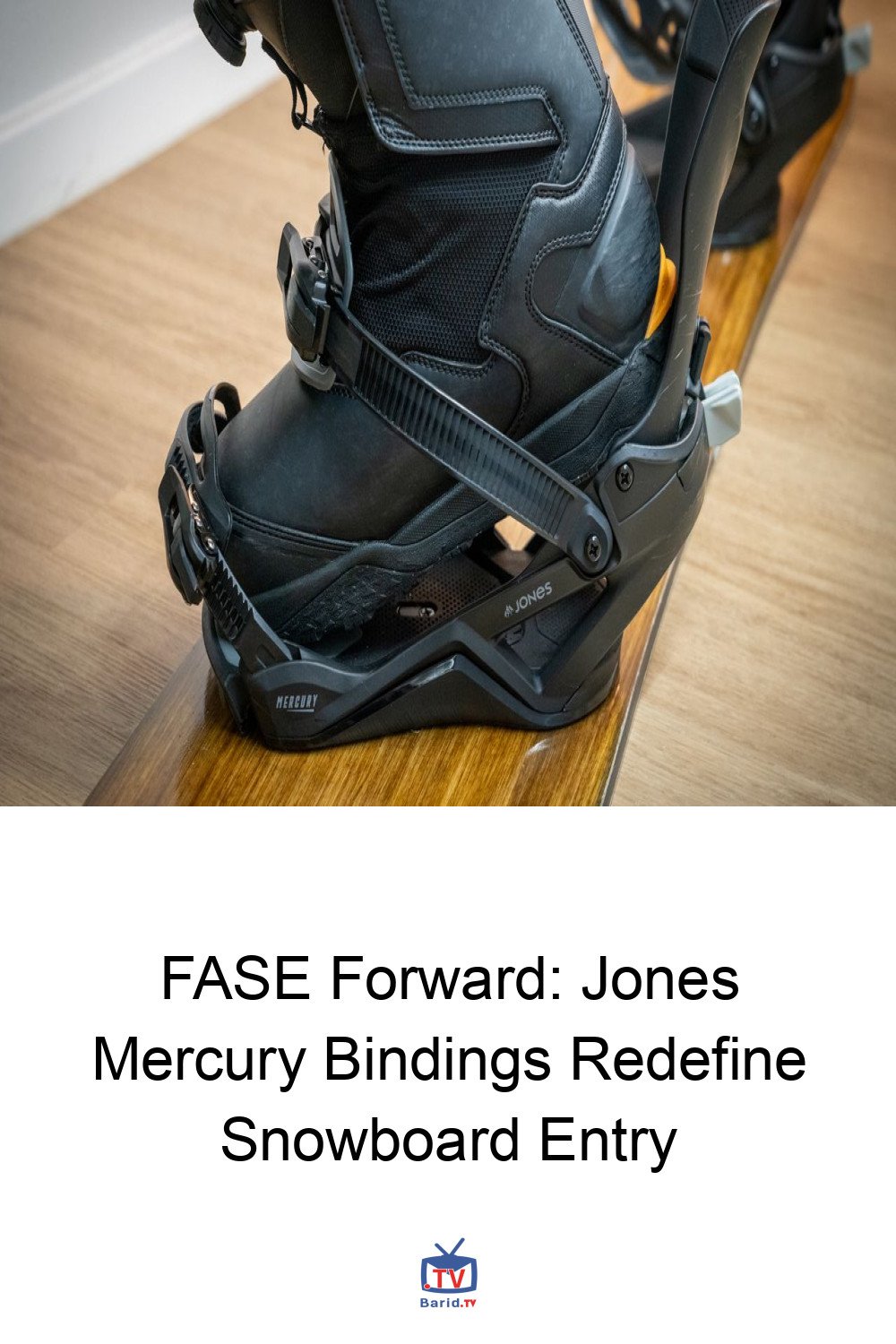
At first glance, FASE bindings might appear deceptively similar to standard two-strap setups. While they do feature two straps, the ingenuity lies in their refined mechanics. The toe strap incorporates a clever locking mechanism, allowing you to set it once to your desired tension, after which it remains fixed until manually adjusted. The ankle strap, dubbed the “FastStrap” by FASE, is notably longer than conventional designs. It retains the standard ladder teeth for secure ratcheting but includes a smooth extension with a small bump at the end. This design ensures the strap can open wide enough for effortless boot entry and exit while remaining a closed loop, preventing accidental detachment.
The most significant innovation, however, resides in the highback, known as the “AutoBack” within the FASE ecosystem. While it retains the ability to fold forward for travel or navigating low chairlifts, its open position leans considerably further back than a typical highback. Crucially, a robust plastic lever is integrated into the bottom inside of the highback. Stepping into the binding activates this lever, which then shunts the highback into its full, upright position, snugly securing it against the back of your calf. A quick cinch of the ankle strap, and you’re ready to ride. Exiting is equally swift: simply release the ankle strap ratchet, and step out.
Performance on the Slopes: The Jones Mercury FASE Experience
The Jones Mercury FASE binding inherits much of its DNA from Jones’ acclaimed standard Mercury line. It’s a notably stiff binding, primarily engineered for the demands of freeride and deep powder, making it an excellent choice for off-piste adventures. Yet, its versatility shines through, performing admirably as an all-mountain binding. A thoughtful layer of foam padding, both above and below the footplate, effectively dampens vibrations and provides welcome cushioning for those inevitable hard landings.
While Jones highbacks aren’t renowned for extensive customizability – offering only two forward lean settings – the Mercury FASE highbacks proved to be exceptionally comfortable and responsive, fitting the reviewer’s calves “like a glove.” Their inherent stiffness translates to superb board control, a critical factor for aggressive riding.
A Note on SkateTech
One notable departure from traditional Jones Mercury models is the absence of SkateTech, a proprietary technology featuring a fulcrum in the binding sides designed to enhance edge control. As a long-time advocate for SkateTech, the reviewer initially noted this omission. However, adaptation was swift, and the FASE system still delivered impressive responsiveness, proving its capability even without this familiar feature.
Real-World Testing: From BC Backcountry to Icy Groomers
These bindings were put through their paces on an extensive road trip across British Columbia, encountering a vast spectrum of conditions. From exhilarating steep and deep powder runs to challenging, icy groomers, the Mercury FASE bindings held their own. Crucially, they were also tested during cat-skiing and heli-skiing excursions in the backcountry – environments where quick-entry systems often falter. The bindings were paired with the Jones Hovercraft 2.0 and the aggressive 2025 Jones Flagship Pro. Despite the Flagship Pro’s extreme stiffness and the initial concern about the lack of SkateTech, the Mercury FASE system provided ample leverage and control, inspiring confidence in demanding terrain. The reviewer also wore ThirtyTwo BOA boots, further demonstrating the system’s compatibility with various boot brands.
The Verdict: Fast, Responsive, and Reliable
The Jones Mercury FASE bindings largely deliver on their promise. They save significant time and energy getting in and out, a boon for any rider. Crucially, this speed doesn’t come at the expense of performance; they proved every bit as responsive as traditional two-strap bindings. The freedom to use any boot is a major advantage, and the overall build quality is solid.
Considerations
However, no product is without its quirks. Stepping into the bindings on steep slopes could occasionally be tricky, and boots sometimes jammed. The absence of SkateTech might be a minor point for dedicated Jones enthusiasts, and the footbed seemed prone to icing up more than usual. Despite these minor points, the Jones Mercury FASE system represents a significant leap forward in binding technology, offering a compelling blend of speed, control, and versatility for the modern snowboarder.
For more details, visit our website.
Source: Link







Leave a comment