




A New Era of Premium Gaming Mice Has Arrived
For years, the world of high-performance engineering — think Formula 1 cars or aerospace components — has celebrated the unparalleled strength-to-weight ratios of materials like carbon fiber and magnesium. These exotic composites, once exclusive to the pinnacle of automotive design, are now making a compelling entrance into the realm of PC peripherals. Corsair, a name synonymous with gaming innovation, has seized this opportunity, introducing two groundbreaking versions of its popular Sabre V2 gaming mouse: one crafted from carbon fiber, the other from magnesium.
Retailing at $200 for the carbon fiber model and $150 for the magnesium variant, these mice aren’t just a testament to advanced material science; they’re a bold statement in a market often dominated by plastic. With features like Bluetooth and 2.4G connectivity, an impressive 8kHz polling rate, and a design focused on both comfort and durability, Corsair is challenging the status quo. But do these premium materials truly translate into a superior gaming experience, or are they simply an aesthetic indulgence? After extensive testing, the answer is a resounding yes.
Beyond Plastic: The Allure of Exotic Materials
The journey of high-performance materials into gaming peripherals isn’t entirely new. Carbon fiber mice have graced the setups of competitive gamers for some time, albeit from niche brands. Razer also ventured into this territory with its Viper Mini Signature Edition, a full magnesium shell mouse that commanded a hefty $300 price tag. Corsair, however, is democratizing this luxury, offering its Sabre V2 iterations at surprisingly competitive prices.
Both models share core specifications: a 2.4G dongle, a USB-C cable, and a set of larger mouse feet. The carbon fiber version sweetens the deal with an included carrying case. What truly sets them apart, beyond their striking aesthetics, is the promise of unparalleled structural integrity and a premium tactile feel that belies their cost when compared to all-plastic flagship competitors.
Engineering Excellence: Durability Meets Design
My previous encounter with the standard Sabre V2 Pro Ultralight left me impressed by its featherlight 36-gram frame, but concerned by its perceived fragility. The plastic construction, while achieving extreme lightness, felt prone to flex and potential damage under pressure. This trade-off, while appealing to those chasing the absolute lightest mouse, left much to be desired in terms of durability and premium feel.
With the new Sabre V2 Carbon Fiber and Magnesium editions, such concerns are entirely eradicated. These mice are a fortress. Drawing on their proven resilience in motorsports, both materials imbue the Sabre V2 with an incredible rigidity that can withstand forces far beyond even the most intense gaming sessions. Even under the full force of my grip, neither shell yielded an inch.
This enhanced robustness comes with a modest weight increase, with the carbon fiber model weighing 55 grams and the magnesium at 56 grams. The result is a mouse that feels significantly more substantial and rigid than many of its competitors. While a mouse like the 55-gram Razer Viper V3 offers solid build quality, the Corsair Sabre V2 models possess an undeniable edge in perceived durability. This highlights a fascinating paradox: while plastic can offer sufficient rigidity for most mice, the introduction of these advanced materials at an accessible price point makes them an undeniably attractive upgrade. Why settle for less when carbon fiber and magnesium are within reach?
Form, Function, and Feel: A Closer Look at Each Model
The Magnesium Marvel: Lightweight and Distinctive
The magnesium model, available in both black and white, presents a unique aesthetic. The white version I tested featured a subtle speckled texture across its metallic surfaces, offering a slick, cool-to-the-touch sensation. Its most striking feature is the array of massive cutouts in the shell, presumably designed for maximum weight reduction. Unlike some hexagon-patterned cutouts that can accumulate dead skin, these larger gaps are less prone to such issues. While the internal braces provide excellent hand support, users who apply significant pressure might notice slight indentations in their palm after extended use.
The Carbon Fiber Classic: Smooth Sophistication
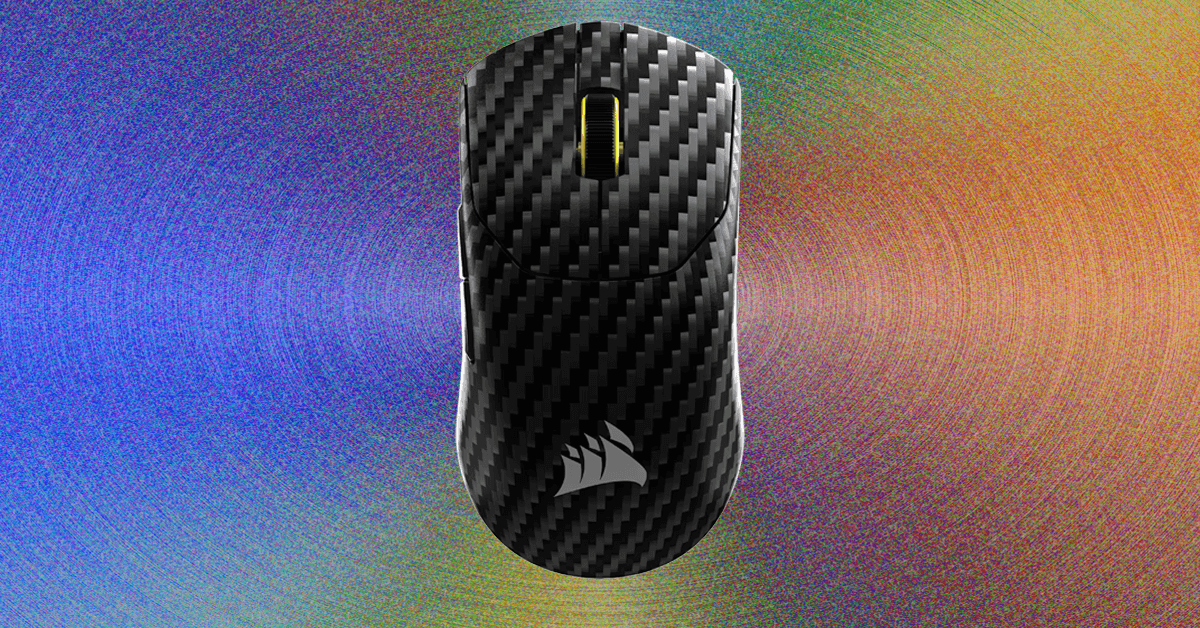
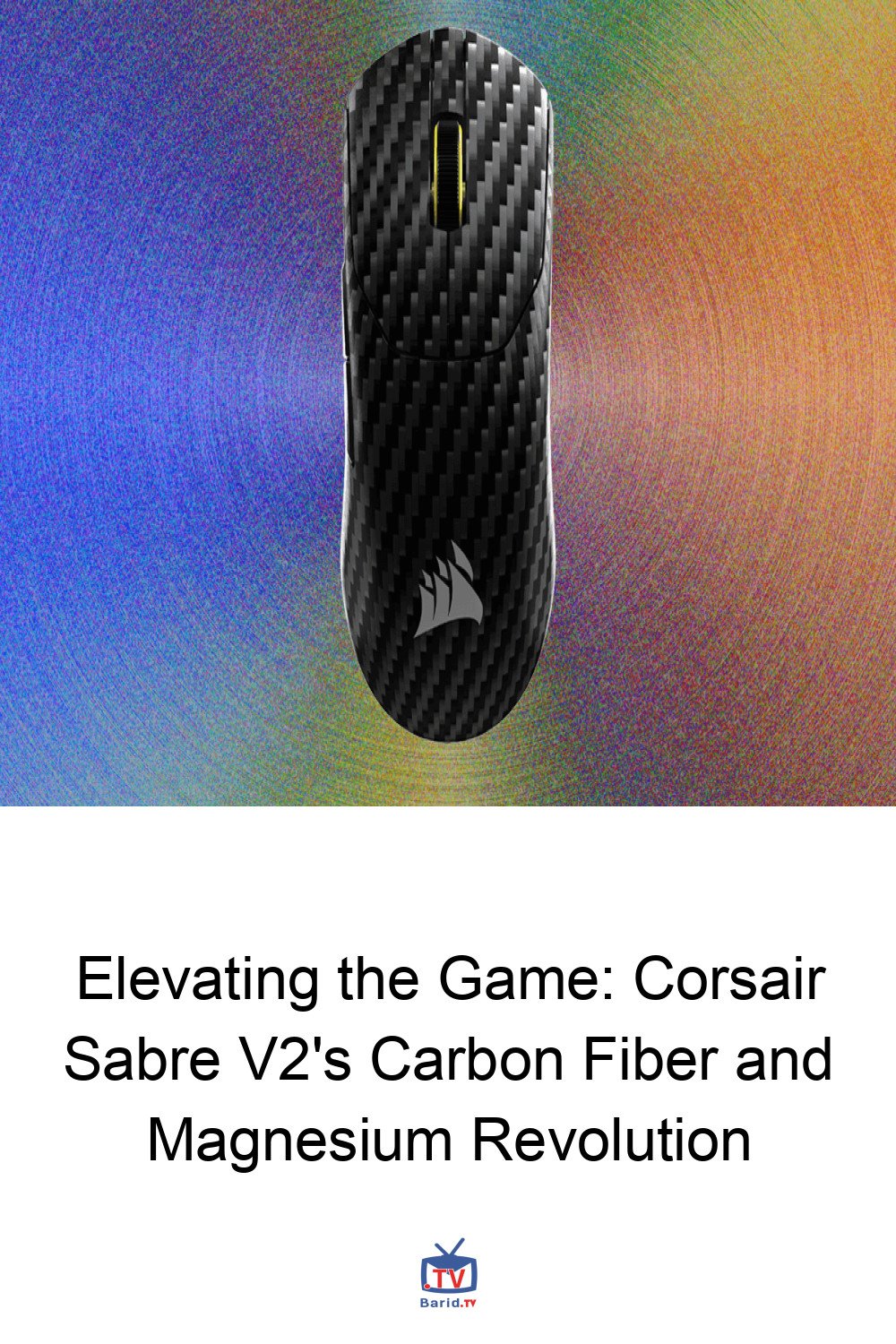
For those who prefer a solid, unperforated shell, the carbon fiber variant is the ideal choice. Devoid of any weight-saving holes, its outer shell boasts a perfectly smooth, familiar complex curve. The intricate carbon fiber weave pattern stretches across the entire surface, creating a dry texture and a sophisticated satin-like finish. Between the two, I found the carbon fiber model offered a more universally appealing aesthetic and tactile experience, free from the potential for palm indents, while still delivering the same exceptional rigidity.
The Verdict: Is Premium Worth It?
Corsair has delivered two compelling options that push the boundaries of what a gaming mouse can be. While the use of carbon fiber and magnesium might seem like an extravagance, their competitive pricing makes them surprisingly accessible. The trade-off of mechanical switches over optical, and the plastic underside, are minor quibbles in an otherwise stellar package. If you’re seeking a mouse that combines cutting-edge materials with robust performance and a truly premium feel, either the Sabre V2 Carbon Fiber or Magnesium edition will undoubtedly elevate your gaming experience. They prove that sometimes, a little bit of ‘overkill’ can be precisely what makes a product stand out.
For more details, visit our website.
Source: Link





Leave a comment