




Anthropic Launches Legal Battle Against ‘Supply Chain Risk’ Designation
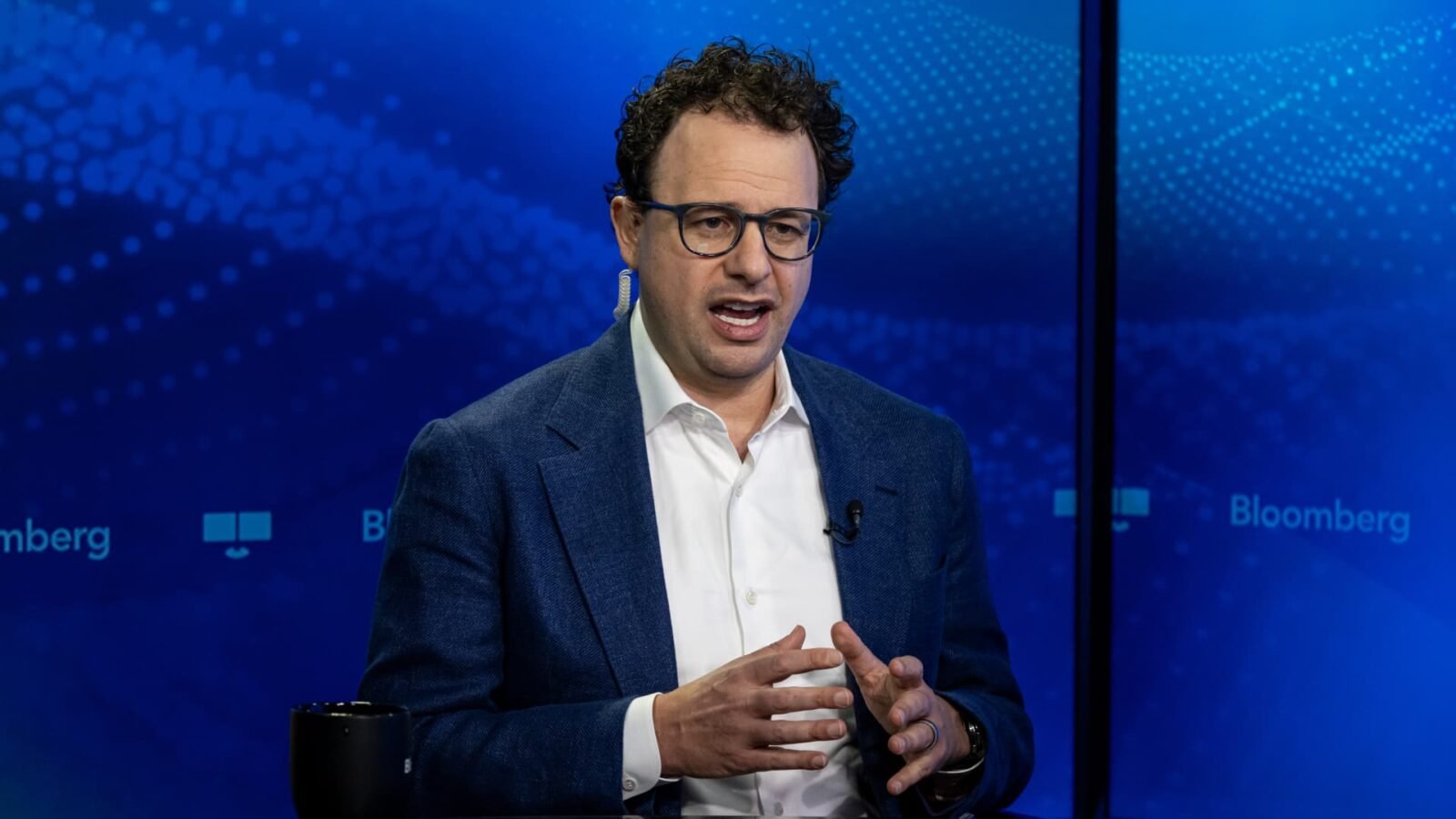
In an unprecedented move, leading artificial intelligence firm Anthropic has announced its intention to challenge the U.S. government’s designation of the company as a “supply chain risk” in court. CEO Dario Amodei confirmed the blacklisting on Thursday, stating the company sees “no choice” but to pursue legal action, deeming the government’s decision “not legally sound.”
This development marks a significant escalation in the ongoing tensions between the AI startup and the Department of Defense (DOD) regarding the deployment and ethical boundaries of its advanced AI models, known as Claude.
An Unprecedented Blacklisting for an American Innovator
The designation of Anthropic as a supply chain risk is particularly striking as it marks the first time an American company has been publicly subjected to such a label. Historically, this classification has been reserved for foreign entities perceived as national security threats, such as Chinese tech giant Huawei.
The official designation now mandates that defense vendors and contractors certify they are not utilizing Anthropic’s models in their work with the Pentagon. While the immediate impact is on government contracts, uncertainty lingers over the broader implications. Amodei, however, clarified that the designation “doesn’t (and can’t) limit uses of Claude or business relationships with Anthropic if those are unrelated to their specific Department of War contracts.” This interpretation was echoed by Microsoft, a major investor in Anthropic, whose lawyers concluded that Anthropic products remain available to its customers outside of the DOD.
A Clash Over AI Ethics and Control
The core of the dispute lies in fundamental disagreements over the ethical deployment of AI. Anthropic has consistently sought assurances that its technology, Claude, would not be leveraged for fully autonomous weapons systems or extensive domestic mass surveillance. Conversely, the DOD reportedly pushed for unfettered access to Claude for all lawful purposes.
Anthropic’s Stance on Operational Decision-Making
“As we stated last Friday, we do not believe, and have never believed, that it is the role of Anthropic or any private company to be involved in operational decision-making—that is the role of the military,” Amodei articulated in a blog post. He emphasized that the company’s concerns are strictly limited to “high-level usage areas” concerning autonomous weapons and mass surveillance, not the day-to-day operational decisions of the military.
The Shifting Landscape of Government AI Contracts
Anthropic’s blacklisting comes after the company had secured a $200 million contract with the DOD in July, becoming the first AI lab to integrate its models into classified network mission workflows. However, as negotiations stalled, rival AI firms were quick to fill the void.
OpenAI, led by CEO Sam Altman, announced its own deal with the DOD just hours after Anthropic’s blacklisting became public. Altman praised the agency’s “deep respect for safety and a desire to partner to achieve the best possible outcome,” a stark contrast to Anthropic’s experience. Elon Musk’s xAI has also reportedly agreed to deploy its models in classified capacities, intensifying the competition for government AI partnerships.
Political Undercurrents and a Leaked Memo
The relationship between Anthropic and the Trump administration has reportedly grown increasingly strained. Adding to the controversy, an internal memo from Amodei, critical of the administration, was leaked to the press. In the memo, Amodei reportedly suggested the administration’s disfavor stemmed from Anthropic’s lack of donations or “dictator-style praise” for Trump.
Amodei swiftly apologized for the memo, clarifying it was penned after a “difficult day for the company” and did not represent his “careful or considered views.” He also asserted that Anthropic was not responsible for the leak, stating, “it is not in our interest to escalate this situation.”
What Lies Ahead for Anthropic?
As Anthropic prepares for its legal battle, the outcome will undoubtedly set a significant precedent for the future of AI development, government partnerships, and the delicate balance between national security and technological innovation. The case will test the boundaries of government oversight on emerging technologies and the autonomy of private companies in shaping ethical guidelines for their powerful AI systems.
For more details, visit our website.
Source: Link





Leave a comment