



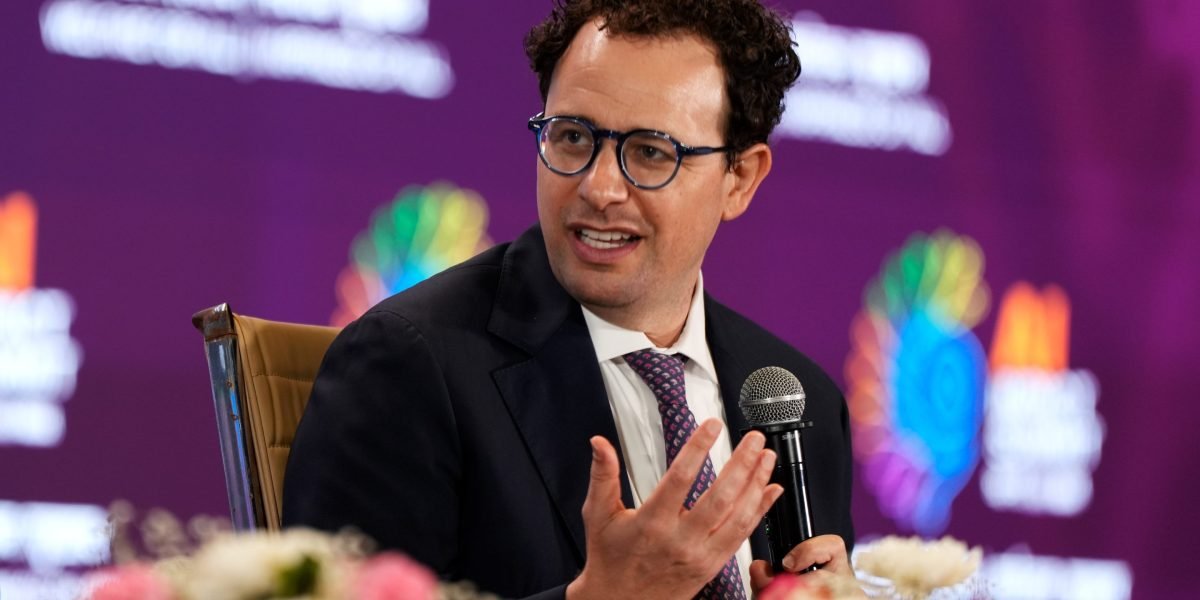

In a dramatic turn of events shaking the foundations of the artificial intelligence industry, Anthropic CEO Dario Amodei has publicly apologized for a scathing internal memo targeting rival OpenAI and its leadership. This mea culpa comes as the company officially confirms its designation as a supply chain risk (SCR) by the Department of War, a move that has ignited a fierce legal and ethical battle over the future of AI in military applications.
A CEO’s Apology Amidst Escalating Tensions
The controversy erupted following the leak of an internal memo, obtained by The Information, in which Amodei launched a blistering attack on OpenAI. Written in the immediate aftermath of the Trump administration’s decision to partner with OpenAI and remove Anthropic from federal systems, the memo reportedly labeled OpenAI staff as “gullible” and its supporters as “Twitter morons.” It further dismissed OpenAI’s approach to its Pentagon deal as “safety theater” and characterized CEO Sam Altman’s public statements as “straight up lies.”
The leaked document drew significant backlash, particularly from those within the AI community who had previously shown solidarity with Anthropic’s stance on critical AI safety red lines. In a recent statement, Amodei expressed regret for the memo’s “tone,” attributing it to the chaos of the moment and clarifying that it did not reflect his “careful or considered views.”
The Pentagon’s Supply Chain Standoff
Beyond the internal drama, Anthropic is grappling with a formal supply chain risk designation from the Department of War. This confirmation follows a week of intense speculation and failed contract negotiations between the AI firm and the Pentagon. While Secretary of War Pete Hegseth initially suggested the designation would mandate all U.S. military contractors to sever commercial ties with Anthropic, Amodei has sought to clarify the scope.
According to Amodei, the relevant statute (10 USC 3252) applies only to the direct use of Anthropic’s Claude AI within specific Department of War contracts, rather than a blanket prohibition on all companies holding such contracts. He emphasized that the law requires the Secretary of War to employ the “least restrictive means necessary,” potentially limiting the designation’s broad application. Anthropic has declared its intention to challenge the ruling legally, with several experts already questioning its legal soundness.
Conflicting Narratives on Negotiations
Adding another layer of complexity, Amodei’s recent blog post claimed “productive conversations” with the Department of War regarding potential service adherence to Anthropic’s exceptions or a smooth transition. However, Undersecretary of War Emil Michael swiftly countered this on X, stating unequivocally: “I want to end all speculation: there is no active @DeptofWar negotiation with @AnthropicAI.” This public disagreement underscores the deep chasm between the parties.
AI Ethics at the Core of the Conflict
At the heart of the protracted dispute between the Pentagon, Anthropic, and OpenAI lies a fundamental disagreement over AI ethics. Anthropic has consistently insisted on two non-negotiable principles for any government contract: a prohibition on using its AI for fully autonomous weapons and mass domestic surveillance. The company walked away from a deal when the Department of War demanded an “any lawful use” clause, which Anthropic deemed too open-ended and potentially compromising to its ethical guidelines.
OpenAI’s Controversial Intervention
Hours after Anthropic’s deal collapsed, OpenAI stepped in, agreeing to the “any lawful use” language. OpenAI claimed it explicitly noted that domestic surveillance would be considered unlawful under existing U.S. law. However, this move was met with widespread skepticism. Critics pointed out the government’s history of interpreting certain data collection and analysis activities on U.S. citizens as legal, and the broad “incidentally collected” exception for intelligence services, which civil liberties groups argue grants significant latitude for surveillance.
Acknowledging the perception of their initial deal as “sloppy and opportunistic,” OpenAI later renegotiated some terms, adding further restrictions on intelligence agencies’ use of its models. This highlights the industry’s struggle to balance innovation with ethical safeguards in sensitive government applications.
Rivalry Heats Up: Altman vs. Amodei
The Pentagon saga has undeniably exacerbated the rivalry between Anthropic and OpenAI, and their respective CEOs. Sam Altman, without directly naming Anthropic, recently criticized companies that “abandon democratic norms because they dislike who’s in power.” This was widely seen as a veiled jab at Amodei, who had previously accused Altman of offering “dictator-style praise to Trump.” The escalating rhetoric underscores the high stakes and ideological divides within the burgeoning AI landscape.
A Bid for Conciliation?
Despite the heated exchanges and legal challenges, Amodei appears to be seeking a more conciliatory path with the Pentagon. In his most recent statement, he pledged Anthropic’s continued support, offering to supply its models to the Department of War at a nominal cost for as long as necessary. This gesture aims to ensure “warfighters” are not left without essential tools during active operations, signaling a potential desire to mend fences and find common ground amidst the ongoing ethical and contractual quagmire.
For more details, visit our website.
Source: Link





Leave a comment