



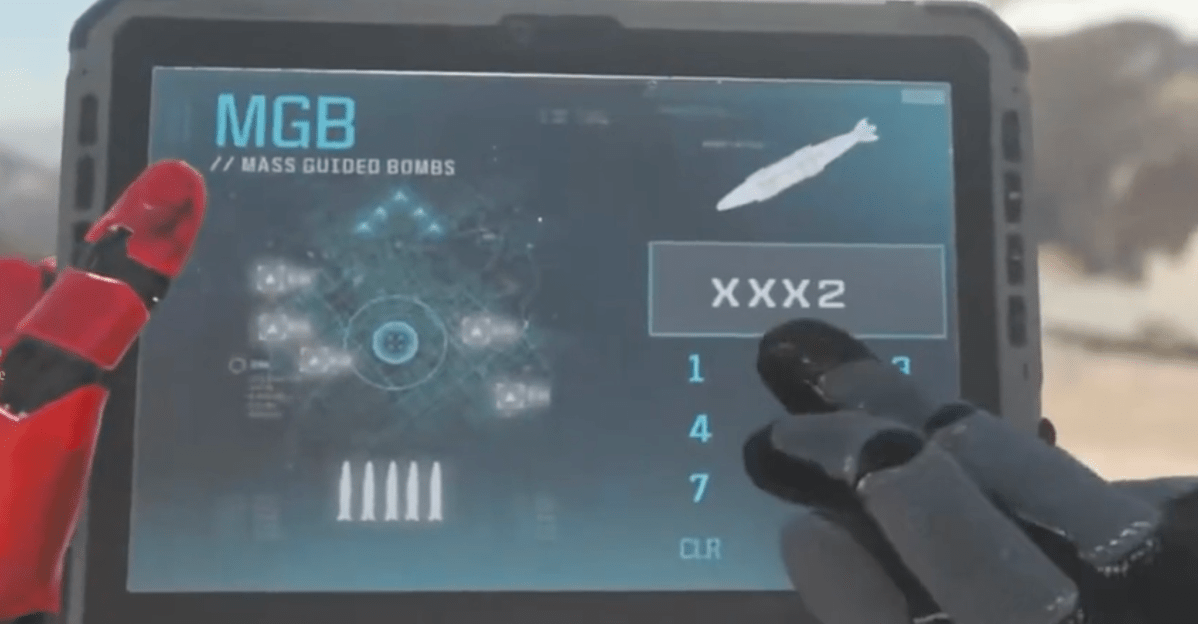

In an unprecedented move that has sparked widespread debate, the White House recently released a video combining actual military strike footage from Iran with clips from the popular video game, Call of Duty. The production, reminiscent of a gaming highlight reel, marks a significant and perhaps unsettling evolution in government communication strategies.
Gaming Aesthetics in Geopolitical Messaging
The video, which surfaced on Wednesday, March 5, 2026, opened with an animation immediately recognizable to gamers: a sequence from Call of Duty: Modern Warfare III depicting a player activating a nuclear strike killstreak reward. This virtual imagery seamlessly transitioned into real-life footage of missiles and munitions striking targets in Iran. The overall presentation—complete with dramatic music and rapid-fire edits—mirrored the high-octane style often found in fan-made Call of Duty montages.
While the real-life segments featured clips previously seen in official Trump administration releases, such as those shared by the U.S. Central Command, their integration with gaming elements represents a novel approach to public messaging. The juxtaposition raises questions about the intent behind such a blend and its potential impact on public perception of military actions.
A Recurring Playbook: Government’s Embrace of Game Culture
This isn’t an isolated incident but rather part of a discernible pattern wherein the administration has leveraged popular video game culture to promote its agenda. Just last September, the Department of Homeland Security (DHS) drew criticism for a video montage of ICE raids, captioned “Gotta Catch ‘Em All” and set to the iconic theme song of the original Pokémon TV show. Similarly, a DHS recruitment post for ICE officers controversially utilized imagery from the Halo franchise, emblazoned with the text “DESTROY THE FLOOD.”
These instances suggest a deliberate strategy to engage with younger, digitally native audiences by speaking their cultural language. However, the appropriation of entertainment tropes for serious governmental communications, particularly those involving military action or law enforcement, has ignited discussions about ethical boundaries and the potential trivialization of grave matters.
The Blurring Lines: Entertainment, Reality, and Propaganda
The use of video game aesthetics in official government communications blurs the lines between entertainment and reality. While intended to be engaging, critics argue that such methods risk desensitizing audiences to the gravity of real-world conflicts and operations. The casual integration of a “killstreak” animation with actual strikes, for example, could inadvertently frame military engagements through the lens of a game, where consequences are virtual and easily reset.
As of reporting, neither Activision nor Xbox has issued a comment regarding the use of their intellectual property in these government-produced videos. The silence from these gaming giants adds another layer to the ongoing conversation about the responsibilities of cultural producers when their content is repurposed for political ends.
This trend underscores a growing challenge in the digital age: how governments communicate complex realities to a public increasingly accustomed to highly stylized, gamified content. The implications for public discourse and the perception of geopolitical events remain a critical point of analysis for journalists and citizens alike.
For more details, visit our website.
Source: Link






Leave a comment