




Indigestion, that familiar discomfort or pain in the upper abdomen after a meal, is a widespread issue affecting millions. For many, the immediate solution often involves reaching for proton pump inhibitors (PPIs), medications designed to reduce stomach acid. While effective in certain scenarios, the increasing overuse of PPIs has raised significant concerns about their long-term side effects, from nutrient deficiencies to increased fracture risk.
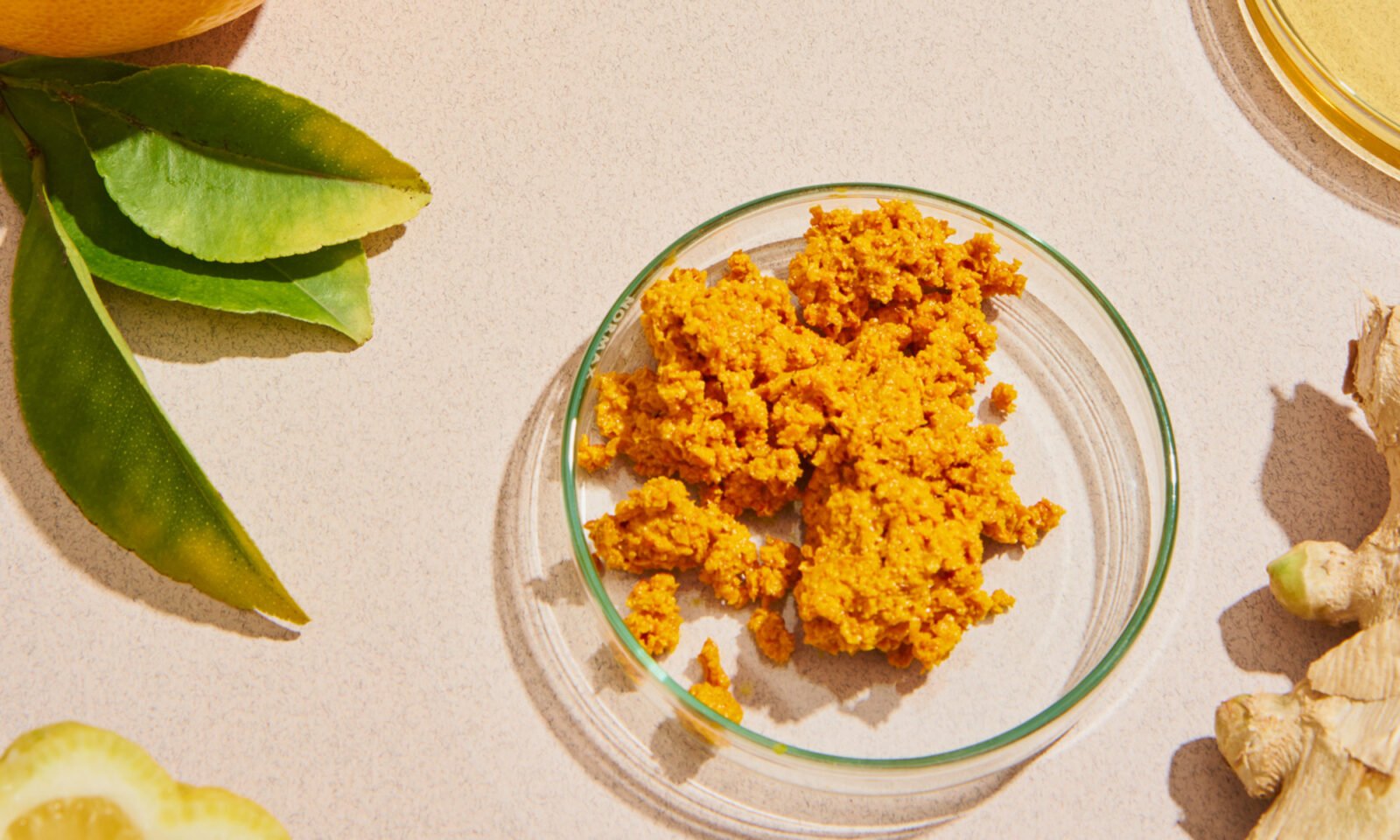
But what if a common kitchen spice held a key to a gentler, more holistic approach to digestive comfort? Forget ginger for a moment – new research is shining a spotlight on turmeric’s star compound: curcumin.
Beyond Ginger: Turmeric’s Potential for Digestive Comfort
For years, the health community has lauded curcumin, the potent active ingredient found in turmeric, for its remarkable antioxidant and anti-inflammatory properties. Its benefits span a wide spectrum, from bolstering immunity and supporting joint health to enhancing overall gut function. Now, a compelling study suggests we might add indigestion relief to its impressive resume.
Unpacking the Research: Curcumin vs. Conventional Treatment
While curcumin’s general health benefits are well-documented, its specific application for indigestion has been less explored. A recent clinical trial, published in BMJ Evidence-Based Medicine, aimed to change that. Researchers investigated curcumin’s efficacy in treating “functional indigestion” – a common form of indigestion without an identifiable underlying cause like ulcers or acid reflux – comparing it directly against omeprazole, a widely prescribed PPI.
The study involved 206 participants, all around 50 years old, who were randomly assigned to one of three groups:
- Curcumin Group: Received 500 milligrams of curcumin, four times daily (totaling 2,000 mg/day).
- Omeprazole Group: Received 20 milligrams of omeprazole daily.
- Combination Group: Received both curcumin and omeprazole.
Participants were monitored at 28 and 56 days. Strikingly, all three groups reported significant improvements in their indigestion symptoms at both checkpoints, with satisfaction levels increasing further by the second assessment. What truly captured attention was the lack of a discernible difference between the groups – curcumin appeared to be just as effective as the conventional PPI, and combining them offered no additional advantage.
The PPI Predicament: Why Alternatives Matter
This finding is particularly significant given the widespread reliance on PPIs. While these medications can offer quick relief by reducing stomach acid production, stomach acid is crucial for proper food breakdown and nutrient absorption. Long-term use of PPIs has been linked to deficiencies in vital micronutrients like vitamin B12, magnesium, and calcium, and can even elevate the risk of bone fractures. The potential of a natural compound like curcumin to offer comparable relief without these associated risks presents a promising avenue for many.
Important Considerations and Practical Advice
While the study’s results are encouraging, it’s crucial to approach curcumin supplementation with informed caution. The dosage used in the trial (2,000 milligrams daily) is considerably higher than typical recommendations, and excessive intake of curcumin can, ironically, lead to stomach upset. Most studies suggest that 500 to 1,000 milligrams of turmeric root extract is sufficient for general health benefits.
Ultimately, curcumin is not a magic bullet, and it’s always advisable to consult a healthcare professional before integrating any new supplement into your routine, especially if you’re managing a health condition or taking other medications.
Moreover, the first line of defense against indigestion often lies in simple, yet powerful, lifestyle modifications. Consider these general recommendations:
- Identify and Avoid Triggers: Common culprits include alcohol, carbonated beverages, and overly spicy, fatty, or greasy foods.
- Eat Mindfully: Slow down, chew your food thoroughly, and pay attention to your body’s signals.
- Dress Comfortably: Avoid tight-fitting clothing, particularly around the waist, which can put pressure on your abdomen.
- Regular Eating Intervals: Eating smaller, more frequent meals can sometimes be easier on the digestive system.
- Consider Herbal Teas: While curcumin is the focus here, a warm cup of ginger tea can still be a soothing option for many.
The Bottom Line
Curcumin’s impressive array of antioxidant and anti-inflammatory benefits continues to expand, with indigestion now potentially joining the list. This research offers a compelling glimpse into a future where natural compounds could play a more prominent role in managing common digestive complaints, reducing reliance on medications with potential long-term drawbacks. However, it underscores the importance of personalized care, mindful lifestyle choices, and professional guidance in navigating your path to digestive wellness.
For more details, visit our website.
Source: Link







Leave a comment