




The Data Center Dilemma: White House Pledge Offers Optics, Lacks Regulatory Clout
The insatiable energy appetite of data centers has become a flashpoint in American politics, sparking bipartisan concern over their potential impact on consumer utility bills. Against this backdrop, the White House recently hosted a high-profile event where major tech companies signed a non-binding pledge. While framed as a solution to protect ratepayers, experts and industry insiders are quick to point out that the initiative may be more about political optics than substantive regulatory reform.
A Star-Studded Pledge, A Pressing Problem
On a recent Wednesday, President Donald Trump stood alongside representatives from tech titans including Microsoft, Meta, OpenAI, xAI, Google/Alphabet, Oracle, and Amazon. The occasion was the signing of a pledge, which the Trump administration asserted would prevent the escalating costs of data center operations from being passed directly to consumers’ utility bills. President Trump, acknowledging the public perception, stated, “Data centers … they need some PR help. People think that if the data center goes in, their electricity is going to go up.”
The Political Imperative
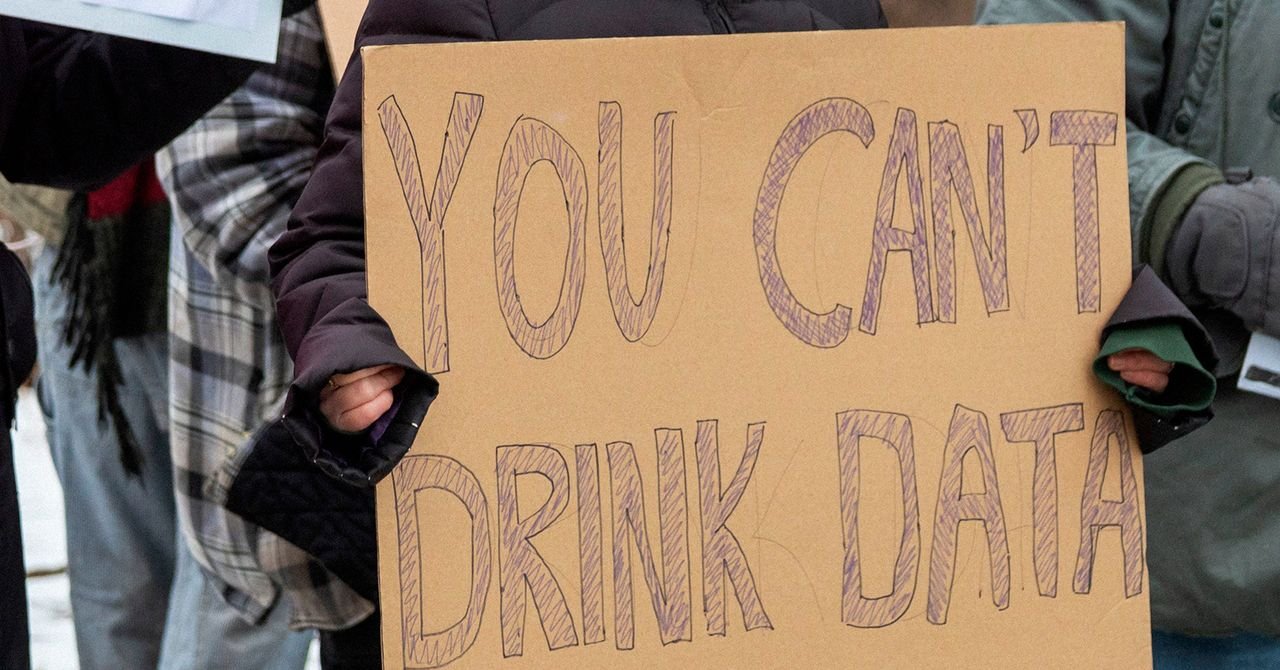
This White House initiative arrives amidst a year of escalating bipartisan anger regarding data centers and their perceived threat to household electricity expenses. With the administration heavily invested in promoting AI, the pledge serves as a strategic move to reassure voters that the burgeoning tech sector will not burden them with higher costs. This political maneuvering is not without precedent; data center concerns significantly influenced elections in states like Georgia and Virginia last year, and continue to factor into ongoing races nationwide. A recent poll by Heatmap News underscores public apprehension, revealing that fewer than 30 percent of American voters would support a data center being built near their homes. Consequently, several states have introduced moratoriums or bills designed to shift the financial burden from consumers to the companies operating these facilities.
Expert Scrutiny: More Theater Than Substance?
Despite the grand pronouncements, electricity experts and industry insiders have cast significant doubt on the White House’s actual capacity to enact meaningful consumer protections through such a pledge. Ari Peskoe, director of the Electricity Law Initiative at the Harvard Law School Environmental and Energy Law Program, minced no words, calling the event “theater.”
“This is a press release designed to make it seem like they are addressing this issue,” Peskoe explained. “But this issue can only really be addressed by utility regulators or Congress. The White House doesn’t really have a lot of moves here, and I don’t think the tech companies themselves are the most important parties on cost issues.” The White House did not immediately respond to requests for comment, leaving further questions unanswered.
Non-Binding Promises and Opaque Deals
A critical detail often overlooked is the non-binding nature of the pledge. This means there are no enforceable mechanisms to track how, or even if, these companies will adhere to their commitments. Furthermore, the contracts between utilities and tech companies are largely private, creating a veil of opacity that makes it challenging to ascertain the practical implementation of the pledge beyond publicly shared statements. While some tech giants, like Microsoft and Anthropic, have independently rolled out similar pledges over recent months, these often reiterate existing initiatives rather than introducing entirely new commitments. Google, for instance, in a blog post highlighting its commitment, listed ongoing investments in nuclear and geothermal energy, along with job creation pledges – practices already in motion.
The Grid’s Complex Web: Beyond Tech’s Control
Even assuming the tech companies approach their pledges with the best intentions, their individual capacity to significantly alleviate the grid’s demand pressures is inherently limited. The U.S. electrical grid is a vast, intricate, and aging network, with transmission lines that require monumentally costly upgrades. The fundamental business model of utilities dictates that they generate revenue primarily by proposing equipment upgrades, such as pipelines and transmission lines, to regulators. Once approved, these costs are then passed directly onto consumers.
“The challenge here is that the utility business model socializes cost—it’s designed to spread cost to everybody,” Peskoe noted. Within this deeply entrenched regulatory structure, there is very little room for even the world’s wealthiest tech companies to unilaterally enact changes that would meaningfully alter consumer utility bills. Ultimately, the control over final outcomes rests firmly with utilities and their regulators.
In conclusion, while the White House pledge serves as a politically astute move to address public anxieties surrounding data center energy consumption, its practical impact on consumer bills remains questionable. Real, systemic change would necessitate a deeper engagement with the complex, regulated realities of the U.S. energy grid and the legislative power of Congress and utility regulators, rather than relying solely on voluntary, non-binding commitments from tech industry players.
For more details, visit our website.
Source: Link






Leave a comment