





Tech Titans Pledge Power: How Seven Giants Aim to Stabilize Electricity Amidst AI Boom
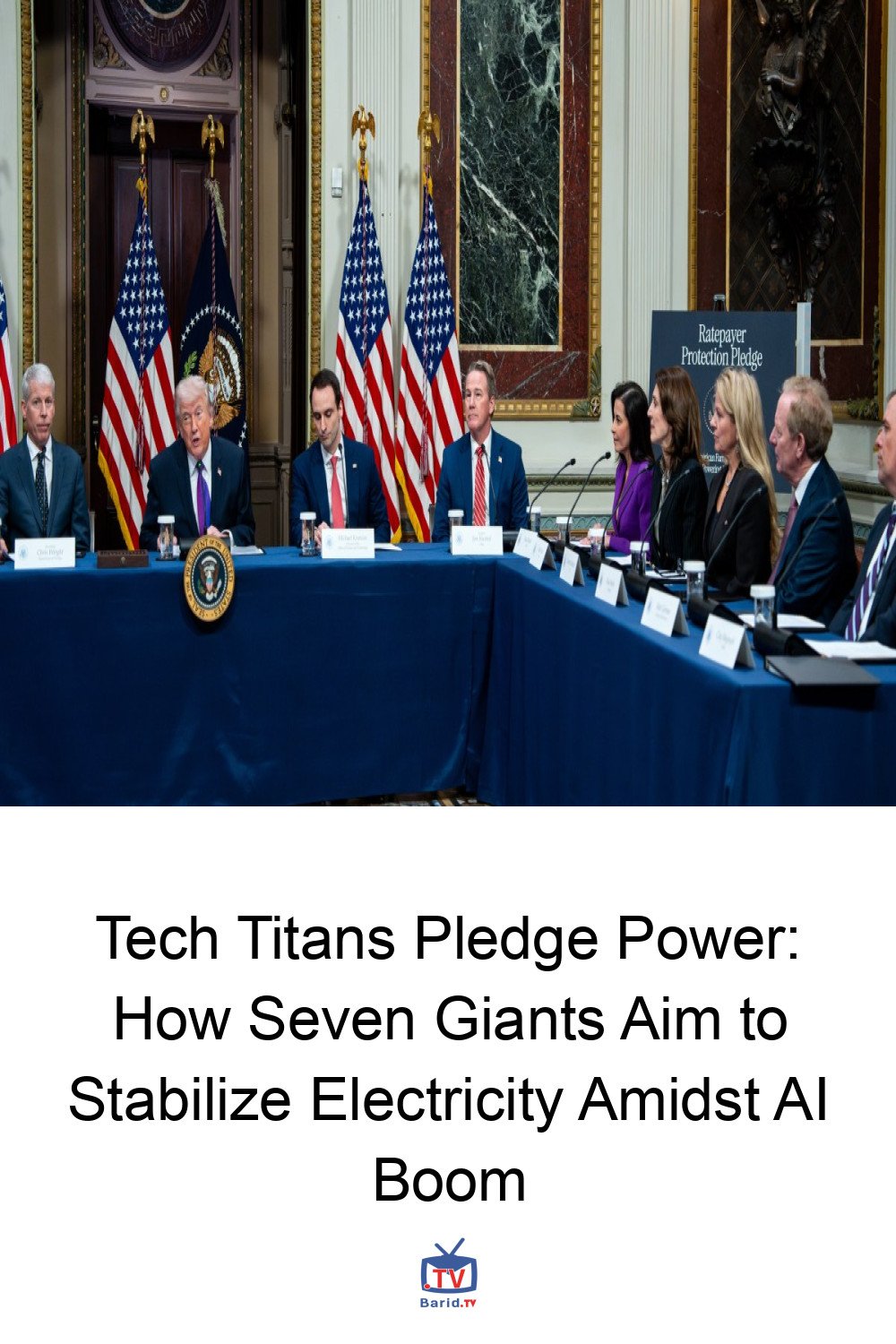
In a pivotal move addressing the burgeoning energy demands of artificial intelligence, President Donald Trump convened leaders from seven of the world’s most influential tech companies at the White House on Wednesday, March 4, 2026. The high-stakes meeting culminated in the signing of a ‘ratepayer protection pledge,’ a commitment designed to prevent soaring electricity costs for consumers as the nation races to build a new generation of energy-hungry AI data centers.
The gathering brought together executives from Google, Meta, Microsoft, Oracle, OpenAI, Amazon, and xAI. Their collective commitment comes amid growing bipartisan concerns that the rapid expansion of AI infrastructure could place immense strain on national power grids, leading to significant hikes in household electricity bills and potential grid instability.
The AI Energy Conundrum: A Presidential Call to Action
The urgency behind this pledge is undeniable. Data centers, the backbone of the AI revolution, require colossal amounts of electricity to train and run generative AI models. Estimates from the Department of Energy suggest that data center electricity demand could double or even triple by 2028. This projected surge follows a challenging 2025, which saw national household electricity bills rise by 13 percent, according to a December report from advocacy group Climate Power.
Communities across the nation have already voiced opposition, rejecting new data center projects due to fears of escalating energy prices. President Trump acknowledged this sentiment during the event, stating, “[Tech companies] need some PR help because people think that if a data center goes in, their electricity prices are going to go up. Some centers were rejected by communities for that and now I think it’s going to be the opposite.” The pledge aims to reverse this perception by shifting the financial responsibility for grid upgrades and new power generation squarely onto the tech giants.
Unpacking the “Ratepayer Protection Pledge”
The proclamation formally introducing the pledge outlines a clear framework for accountability. It stipulates that the signatory companies will “build, bring, or buy the new generation resources and electricity needed to satisfy their energy demands, and pay for all new power delivery infrastructure upgrades to service their data centers.”
Shifting the Financial Burden: Who Pays for Progress?
A core tenet of the pledge is the commitment by tech companies to cover the costs associated with expanding and upgrading the national power grid. This includes not only adding new capacity where possible but also funding improvements to existing infrastructure. Crucially, the companies are expected to negotiate separate rate structures with utilities, ensuring they bear a fair share of the costs for the additional strain their data centers place on the grid.
A significant safeguard embedded in the pledge addresses the risk of ‘stranded assets.’ Companies will remain financially responsible for these costs even if data centers do not ultimately utilize all the additional electricity generated. This provision aims to alleviate fears that local communities might be left with the financial burden of new power plants and transmission lines should the hype around AI diminish or projects fail to materialize.
Bolstering Grid Resilience: Backup Power and Emergency Measures
Beyond financial commitments, the pledge also touches upon grid stability during emergencies. The tech giants have committed to “use their infrastructure to contribute back up power to local grids during times of need.” While the pledge’s language is somewhat vague, stating companies would “whenever possible, make available their backup generation resources at times of scarcity,” the intent is clear: to help prevent power outages during severe weather events or peak demand periods. This comes after recent winter storms highlighted vulnerabilities and prompted states like Texas to pass laws granting grid operators authority to cut data center energy use during emergencies.
Tech Giants Respond: Promises and Practicalities
While the pledge sets a broad policy, individual companies are already outlining specific actions. Gwynne Shotwell, President and COO of SpaceX (which is merging with xAI), revealed xAI’s ambitious plans to develop a 1.2 gigawatt power plant as the primary energy source for its supercomputer. Shotwell indicated that similar power generation initiatives would accompany “every additional data center.” Furthermore, xAI intends to expand its Megapack installation to provide backup power to Memphis, Tennessee, and Southaven, Mississippi.
xAI’s Ambitious Power Generation Strategy
However, xAI’s rapid expansion has not been without controversy. The NAACP has already threatened legal action twice over pollution concerns stemming from temporary gas turbines installed by the company in Tennessee and Mississippi to power its data centers. This highlights the complex balance between rapid technological advancement, energy demands, and environmental responsibility.
The Road Ahead: Balancing Innovation with Infrastructure
The “ratepayer protection pledge” marks a significant step in acknowledging and addressing the energy implications of the AI boom. By committing tech giants to invest in the necessary power infrastructure, the Trump administration aims to foster innovation while protecting consumers and ensuring grid stability. The success of this national policy, however, will ultimately hinge on the voluntary negotiations between these powerful companies, utilities, and state governments, navigating the intricate landscape of energy policy and technological progress.
For more details, visit our website.
Source: Link





Leave a comment