





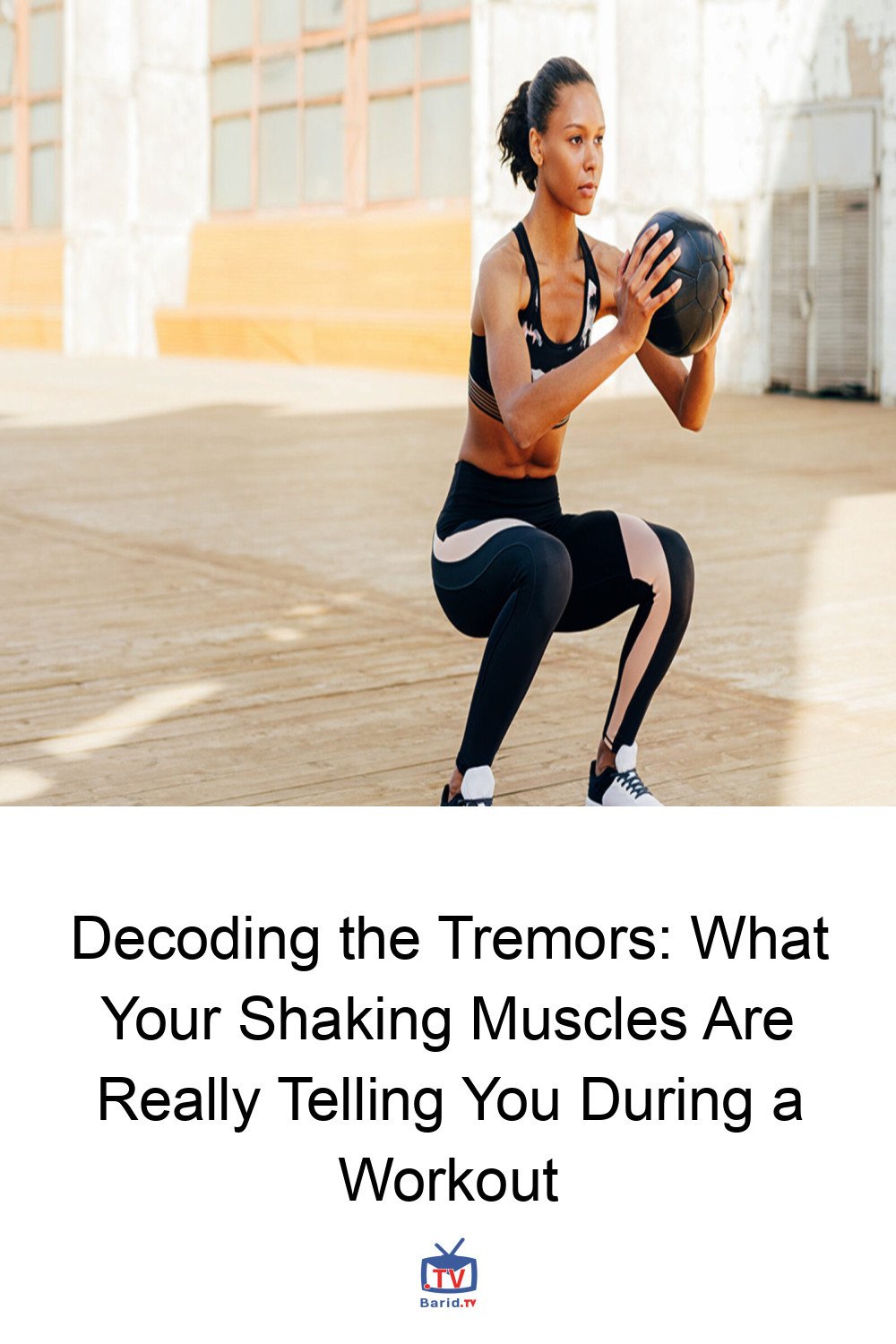
As you push through that final rep, or hold a challenging pose, a familiar tremor might ripple through your muscles. This involuntary quiver often leaves exercisers wondering: is this a sign of a great workout, or a warning to slow down? We consulted Jill Goodtree, a NASM-certified personal trainer and Rumble Boxing instructor, to unravel the mystery behind those workout shakes and understand what your body is trying to communicate.
Why Your Muscles Quiver: More Than Just Fatigue
Muscle tremors during exercise can stem from several factors, ranging from the benign to the potentially concerning.
The Burn and Beyond: Muscle Fatigue
One of the most common reasons for shaking is simply muscle fatigue. As you near the end of a challenging set, your muscles are working overtime, recruiting every available fiber to complete the movement. Goodtree explains, “When your body creates shakes, it can be your muscles saying, ‘I’m tired! I need help! I’m going to recruit more muscle fibers to help me.'” This indicates your muscles are nearing their capacity, pushing their limits to adapt and grow stronger.
Mastering New Movements
Embarking on a new exercise journey or attempting an unfamiliar movement can also trigger tremors. If you’re tackling your first pull-up, for instance, your body’s neuromuscular pathways are still learning to coordinate the necessary muscles. This initial instability is natural as your system acclimates to the new demands, building the neural connections for smoother execution over time.
The Dehydration Danger
On a more serious note, muscle trembling can be a symptom of dehydration. When you’re not adequately replacing fluids lost through sweat during physical activity, your body’s performance suffers. Dehydration can impair cognitive function and significantly reduce workout efficacy, as highlighted by the American College of Sports Medicine. Research further indicates that cellular dehydration can compromise muscle contractile capacity, meaning your muscle cells struggle to contract forcefully.
Should You Push Through the Tremors?
The answer depends entirely on the cause of the shake. While an instructor might encourage you to push through the burn, it’s crucial to distinguish between productive fatigue and a red flag.
When to Power On (Carefully)
If your muscles are shaking due to fatigue or because you’re learning a new movement, it’s often acceptable to continue, provided you maintain proper form and listen to your body. These types of tremors can signify that you’re challenging your muscles sufficiently to stimulate growth and adaptation. However, it’s not a goal in itself.
When to Pause: Recognizing Dehydration
Shaking caused by dehydration is a clear signal to stop immediately. “If you’re shaking due to dehydration, stop exercising, consume water or an electrolyte beverage, and seek medical help if necessary,” advises Goodtree. Be vigilant for common dehydration symptoms such as tiredness, lightheadedness, dizziness, intense thirst, dry skin or lips, muscle cramps, or a headache. These are your body’s urgent cues to rehydrate and rest.
Beyond the Shake: Setting Effective Fitness Goals
While muscle shaking might be a byproduct of intense effort, it shouldn’t be the objective of your workout. Goodtree emphasizes, “As a fitness professional and personal trainer, I don’t think ‘get my muscles to shake’ is an effective goal.”
Instead, she advocates for setting SMART goals: Specific, Measurable, Achievable, Relevant, and Time-Bound. For example, if you can’t yet perform a full push-up, a SMART goal might be to complete 10 push-ups on your toes within two months. Achieving this might involve working on chest presses, chest flies, planks, and shoulder mobility – and yes, you might experience some muscle shaking along the way as a natural part of the progression!
Nurturing Your Body: Long-Term Muscle and Joint Health
Resistance training, which often induces these beneficial tremors, is vital for maintaining muscle and joint health, especially as we age. Muscle mass and strength naturally decline after 35, but consistent effort can support daily function, independence, and reduce injury risk.
Beyond weightlifting and bodyweight exercises, incorporate other enjoyable physical activities like swimming, tennis, or dancing. The key, Goodtree notes, is finding movement you love.
Nutrition and hydration are equally critical. Remember to stay hydrated before, during, and after your workouts. Additionally, some research suggests that collagen supplements may offer benefits for osteoarthritis symptoms, contributing to overall joint health.
Understanding why your muscles shake empowers you to train smarter, not just harder. By distinguishing between productive effort and warning signs, you can optimize your workouts for safety, effectiveness, and long-term well-being.
For more details, visit our website.
Source: Link




Leave a comment