



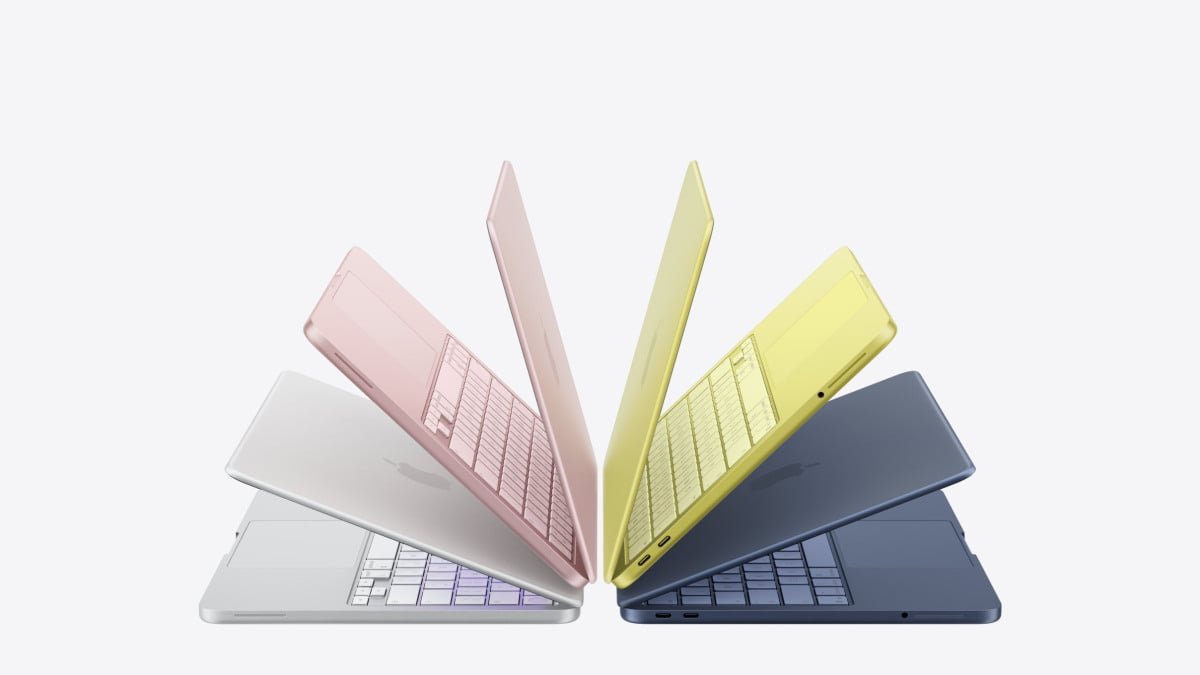

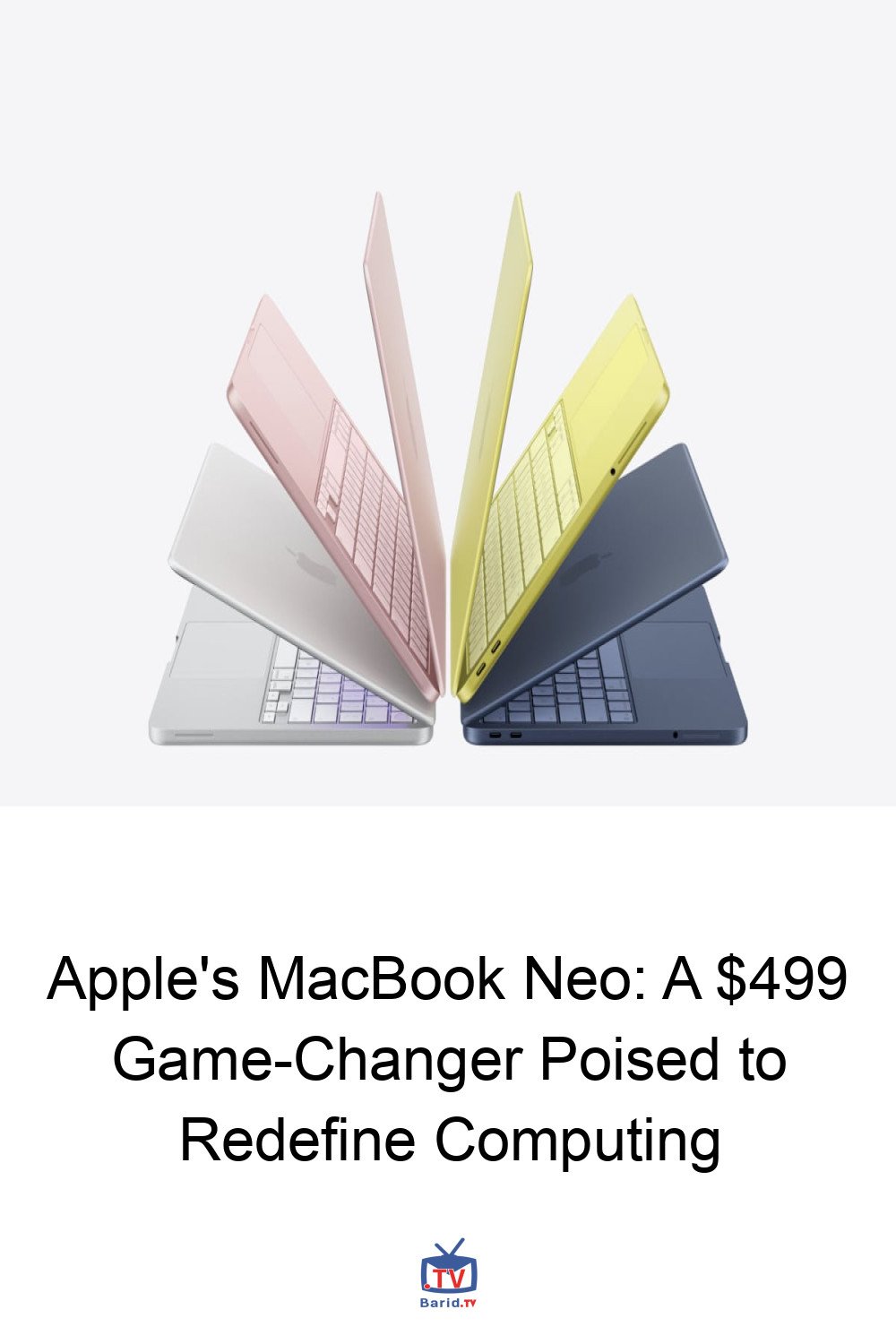
The tech world held its breath, and on Wednesday, Apple delivered. The long-whispered “low-cost” laptop is no longer a rumor but a reality: introducing the MacBook Neo. While some may point to its strategic compromises—an iPhone-derived chip, 8GB of RAM, a non-backlit keyboard, and the absence of Touch ID on its base model—these concessions pale in comparison to the audacious price point. For a mere $599, or an astonishing $499 through the easily accessible Education Store, Apple is offering a brand-new MacBook. This move isn’t just significant; it’s a seismic shift that could redefine the personal computing landscape.
The Neo’s Strategic Compromises and Unbeatable Value
What Apple Sacrificed for the Price Tag
To achieve the Neo’s groundbreaking affordability, Apple made calculated decisions. Opting for an iPhone-derived chip over a traditional Mac processor, capping RAM at 8GB, and omitting a backlit keyboard or base-model Touch ID are clear cost-saving measures. On paper, these might seem like deal-breakers for the discerning Apple enthusiast. However, the genius of the Neo lies in its target audience and the sheer power of the macOS ecosystem, even in a streamlined package.
The $499 Reality: A Game Changer
The true marvel of the MacBook Neo isn’t its specifications but its price. A fully-fledged MacBook, running macOS, for effectively $500, is an unprecedented offering from Cupertino. This aggressive pricing strategy bypasses the need for customers to scour sales or the secondhand market for affordable Apple hardware. It allows buyers to walk into an Apple Store and leave with a new Mac at half the cost of previous entry-level models. This accessibility is poised to unlock a vast new segment of the market.
Shaking Up the Computing Hierarchy
Apple, while a dominant force, isn’t the undisputed leader in global computer shipments, currently sitting fourth behind Dell, HP, and Lenovo. Despite its premium pricing (with MacBooks typically starting at $999, now $1,099 for the M5 MacBook Air), Apple consistently sells a substantial volume of machines. The Neo, however, introduces a new dynamic. It transforms Apple from a premium-only player to a formidable contender in the budget and mid-range segments, a move that should send shivers down the spines of its competitors.
A New Contender in Personal Computing
The laptop market is saturated with options, yet none quite hit the sweet spot the Neo aims for. Traditional PCs often offer lower prices but come with their own set of challenges.
The PC Predicament: AI Bloat vs. User Needs
Microsoft’s current strategy, heavily leaning into AI features and “Copilot+ PC” branding, has created a complex user experience. While many Windows machines boast solid hardware, they are often perceived as bogged down by AI bloat that few users genuinely desire. This can make the PC landscape feel cluttered and less intuitive, pushing potential buyers towards simpler, more focused alternatives.
Chromebooks: Affordable, But Often Lacking
Chromebooks have carved out a niche with their affordability and integration with Google services. They are excellent for basic web browsing and productivity tasks. However, their Chrome OS experience can feel limited for users accustomed to traditional operating systems or those requiring specific desktop applications. The “something to be desired” factor often leaves users wanting more robust capabilities.
macOS for the Masses
Historically, the Mac’s higher price point has been its primary barrier to entry for many. Why spend $999+ on a Mac for basic tasks when a cheaper PC or Chromebook exists? The MacBook Neo fundamentally alters this equation. With a price comparable to many mid-range PCs and even some premium Chromebooks, the Neo offers the full macOS experience—renowned for its stability, security, and user-friendliness—at an unprecedented value. Crucially, Apple’s approach to AI features is optional and integrated thoughtfully, contrasting with Microsoft’s more aggressive, often criticized, push.
Reshaping Education and Enterprise
The Neo’s impact extends far beyond individual consumers, promising significant disruption in two critical sectors: education and enterprise.
Challenging Chromebook Dominance in Schools
The education market, once an Apple stronghold, is now largely dominated by Chromebooks, thanks to their low cost and seamless integration with Google’s ecosystem. With 93% of U.S. school districts planning Chromebook purchases last year, and 60% of all Chromebooks used in education, Google’s grip is firm. While the Neo might not entirely unseat Chromebooks, its $500 price tag presents a compelling alternative for schools seeking a more robust, versatile platform than Chrome OS, without the prohibitive cost of traditional Macs. It could certainly chip away at Google’s market share.
A Fresh Option for Businesses
For businesses looking to equip employees with reliable laptops, the MacBook Neo emerges as an incredibly attractive option, especially for those not strictly tied to a single operating system. Companies already invest in MacBook Airs and Pros, often at double or triple the Neo’s price. The prospect of providing employees with the macOS experience—or access to essential work suites via macOS—at such a reduced cost offers immense value. The Neo could become the go-to choice for hardware refreshes, making Apple a more competitive player in corporate procurement.
Whether the MacBook Neo achieves modest success or becomes a runaway hit, one thing is clear: Apple has unleashed a powerful new force. By making the Mac accessible to a broader audience than ever before, the company has not just launched a new product; it has lit a fuse that promises to ignite a significant transformation across the entire computing market.
For more details, visit our website.
Source: Link




Leave a comment