




Ever wondered which professions truly test the limits of human endurance, both physically and emotionally? A recent comprehensive survey, commissioned by Cat Footwear, has shed light on America’s most demanding jobs, revealing a fascinating blend of emergency responders, skilled trades, and dedicated caregivers. The findings challenge our perceptions of “tough” work, extending beyond mere physical exertion to encompass profound psychological strain.
Unveiling America’s Most Demanding Roles
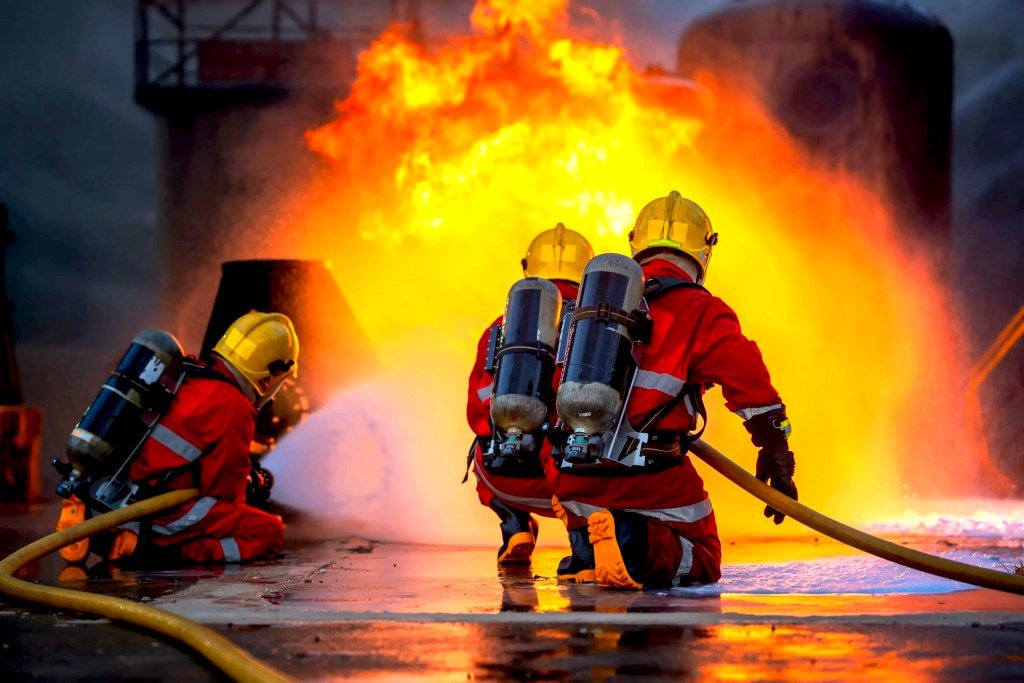
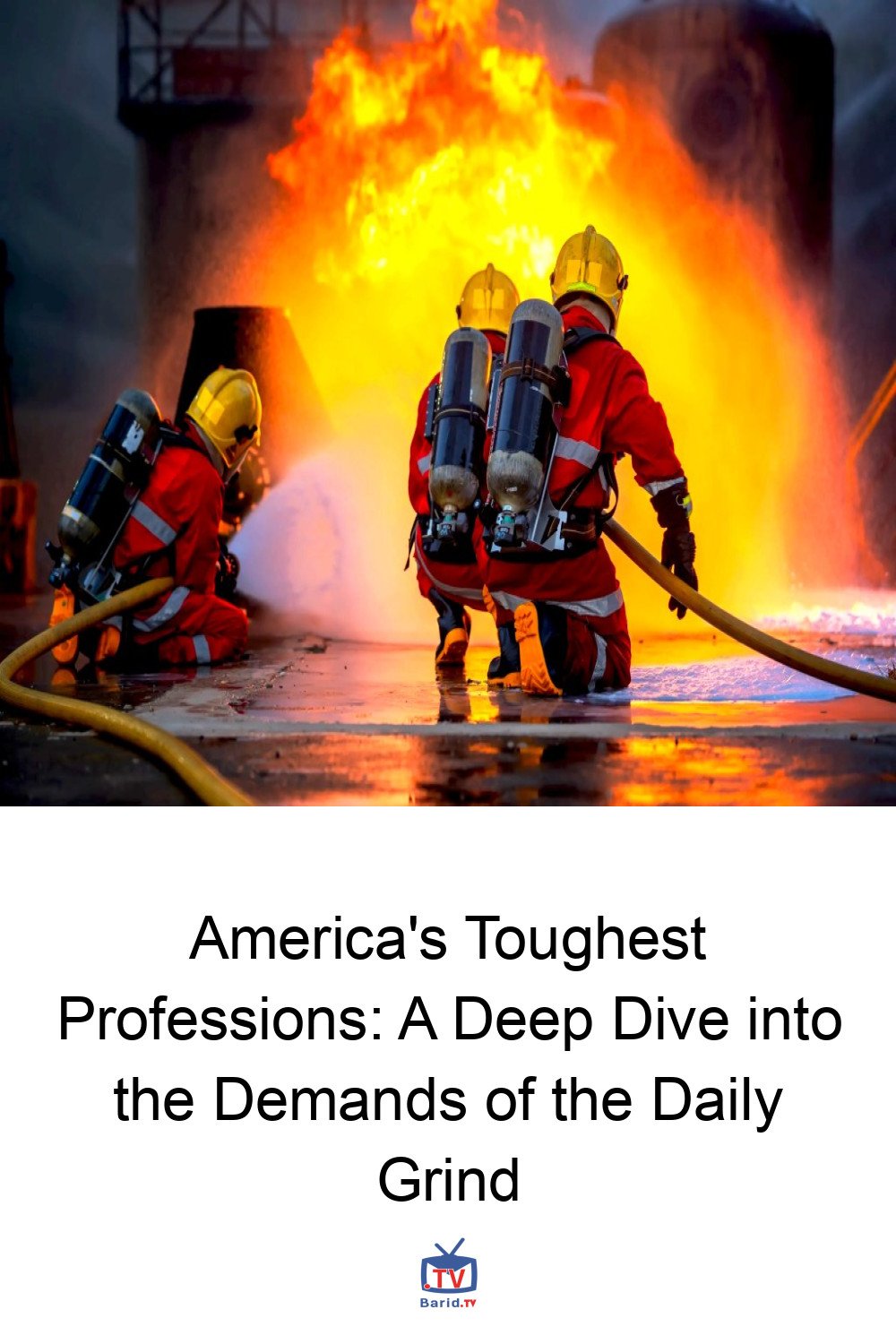
Polling 2,000 employed adults, the survey conducted between late January and early February painted a clear picture of the jobs Americans perceive as the toughest. Topping the list were the brave men and women of the fire service, followed closely by police officers and construction workers. The top tier further included miners, oil workers, nurses, paramedics, and agricultural laborers, with doctors, caregivers, and other healthcare professionals rounding out the most challenging roles.
Beyond the Obvious: The Criteria for ‘Tough’
What exactly makes a job “tough” in the eyes of the American workforce? Respondents identified several key factors that contribute to the daily grind:
- Constant Physical Strain: A staggering 40% cited being on their feet all day as a primary challenge.
- Exposure to the Elements: 38% highlighted working in extreme or unpredictable environments.
- Trauma and High-Stress Situations: 34% pointed to the emotional and psychological toll of constant exposure to difficult circumstances.
“Working on your feet all day has many benefits, but not many people think about the long-term impact it can have on your body,” noted Mike Maloney, chief product officer for Cat Footwear, in an interview with The New York Post. Indeed, three out of four adults surveyed (75%) acknowledged the serious long-term health consequences of prolonged standing.
The Hidden Costs: Physical and Emotional Toll
The survey delved deeper into the daily realities and unseen burdens carried by those in demanding professions. Workers in construction, manufacturing, and engineering spend nearly seven hours a day on their feet, while healthcare and social services professionals average over six hours. These sectors see employees clocking over 6,500 steps daily, with agricultural workers exceeding 7,800 steps.
Impact on Personal Life and Well-being
The physical demands translate directly into personal sacrifices. Nearly half of respondents (47%) admitted to missing social plans or events due to post-work soreness. Chronic pain is a widespread issue, with 60% reporting foot pain, 59% experiencing back pain, and over 10% suffering from hand pain directly linked to their jobs. Disturbingly, more than a third of these dedicated workers worried that acknowledging such pain would be perceived as a sign of “weakness” by their peers.
While immediate physical risk often defines “toughness,” the study also underscored the significant emotional and psychological demands of roles like teaching and caregiving. Teachers, for instance, were recognized for the immense emotional labor involved in managing classrooms and student needs. Agricultural workers face not only physical exertion but also the unpredictable nature of weather and long hours.
Trades: The Unsung Heroes
A consistent theme throughout the findings is the perception of trade and manual jobs as significantly tougher than their non-trade counterparts. This aligns with earlier research from Talker Research, which highlighted Americans’ tendency to equate job difficulty with immediate physical risk, while increasingly recognizing the emotional strain in care-oriented professions.
“Trade workers shape our world with grit and pride, but the toll this work can take often goes unseen,” Maloney emphasized. This sentiment underscores the critical need to acknowledge and support those who build, maintain, and protect our society, often at considerable personal cost.
For more details, visit our website.
Source: Link





Leave a comment