




A War of Shifting Sands: The Evolving Rationale for U.S. Action in Iran
More than 48 hours into the escalating conflict in Iran, the Trump administration finds itself embroiled in a deepening controversy, not just over the military action itself, but over the bewilderingly fluid justification for it. President Donald Trump asserts that combat will persist until undefined ‘objectives’ are met, yet these objectives, and the very premise for the war, have morphed repeatedly, fueling widespread confusion and raising urgent questions about America’s long-term entanglement in the region.
The lack of a consistent narrative from the White House and its proxies has created a vacuum of clarity regarding the endgame of this increasingly costly engagement. What began with promises of ‘help’ for Iranian dissidents in January, followed by a military buildup, has since seen a dizzying array of rationales for the ongoing offensive, which commenced on Saturday.
The Murky Objectives: From Imminent Threat to Regime Change?
The stated reasons for U.S. military involvement have whipsawed dramatically. Initially, the focus appeared to be on preventing Iran from acquiring a nuclear weapon. This quickly broadened to include deposing the Iranian regime, stopping an ‘imminent attack’ on U.S. interests, and even aligning with Israeli strategic imperatives. This muddied messaging has left observers questioning whether the administration is pursuing a limited military objective or a full-blown regime change, a long-term, albeit often unstated, goal of U.S. administrations.
President Trump’s initial video message on Saturday declared the objective was to ‘defend the American people by eliminating imminent threats from the Iranian regime, a vicious group of very hard, terrible people.’ He outlined a broad agenda: razing missile silos, preventing nuclear weapons, destroying terrorist proxy networks, and sinking the Iranian navy. Crucially, he also explicitly urged the Iranian people to topple their leadership, a clear call for regime change that even surprised some allies.
However, unnamed U.S. officials briefing the media after the confirmed killing of Iranian leader Ayatollah Ali Khamenei offered a different account: a preemptive strike to avert an imminent Iranian offensive. By Sunday, Trump’s own statements to various media outlets added further layers of ambiguity, discussing stalled nuclear negotiations, claiming attacks were ‘ahead of schedule’ without defining the schedule, and even suggesting the war could drag on for over four weeks. His second video address on Sunday reiterated a call for regime change and warned of more U.S. casualties, emphasizing ‘very strong objectives’ for future generations.
Congressional Alarm Bells Ring
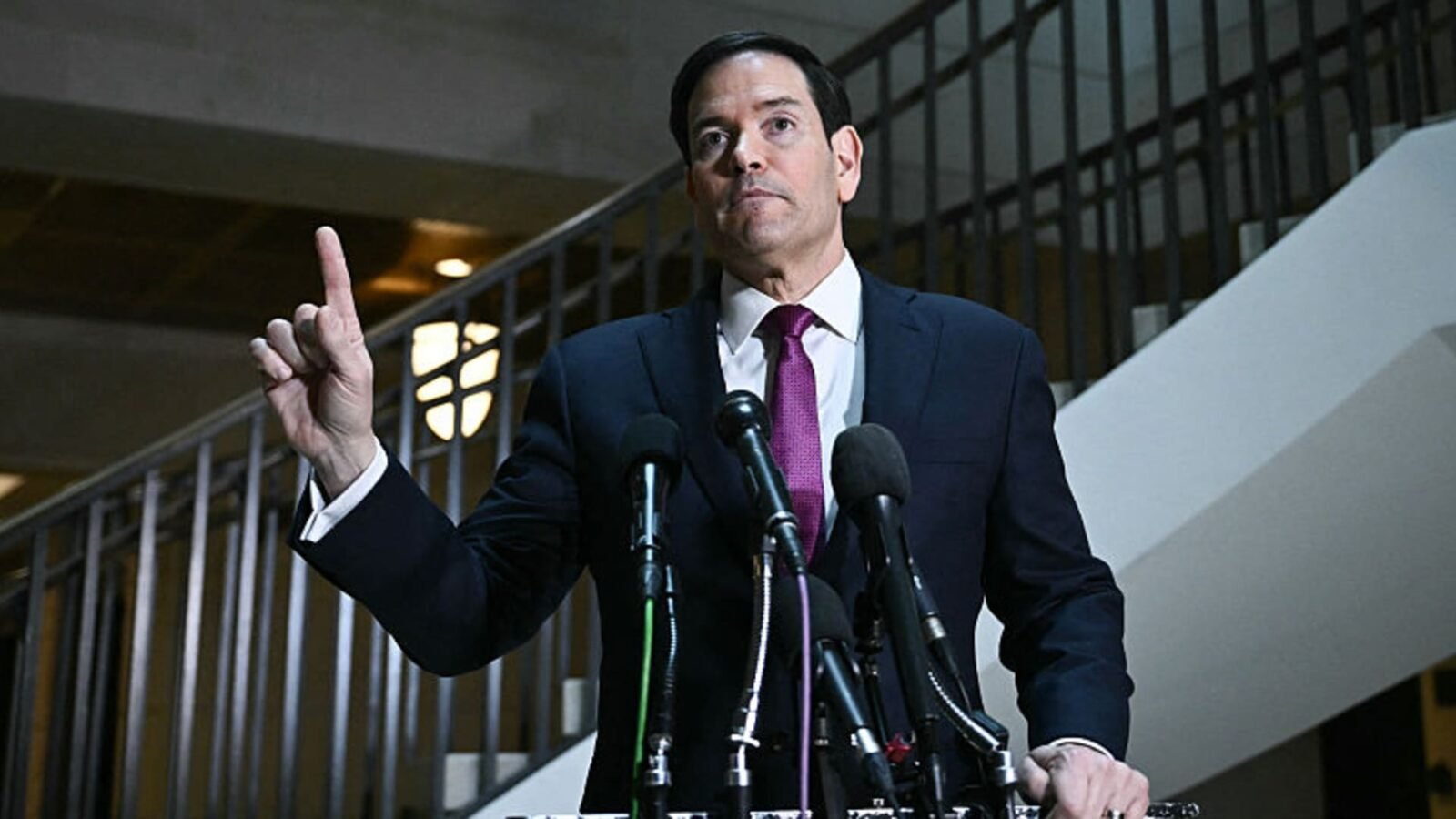
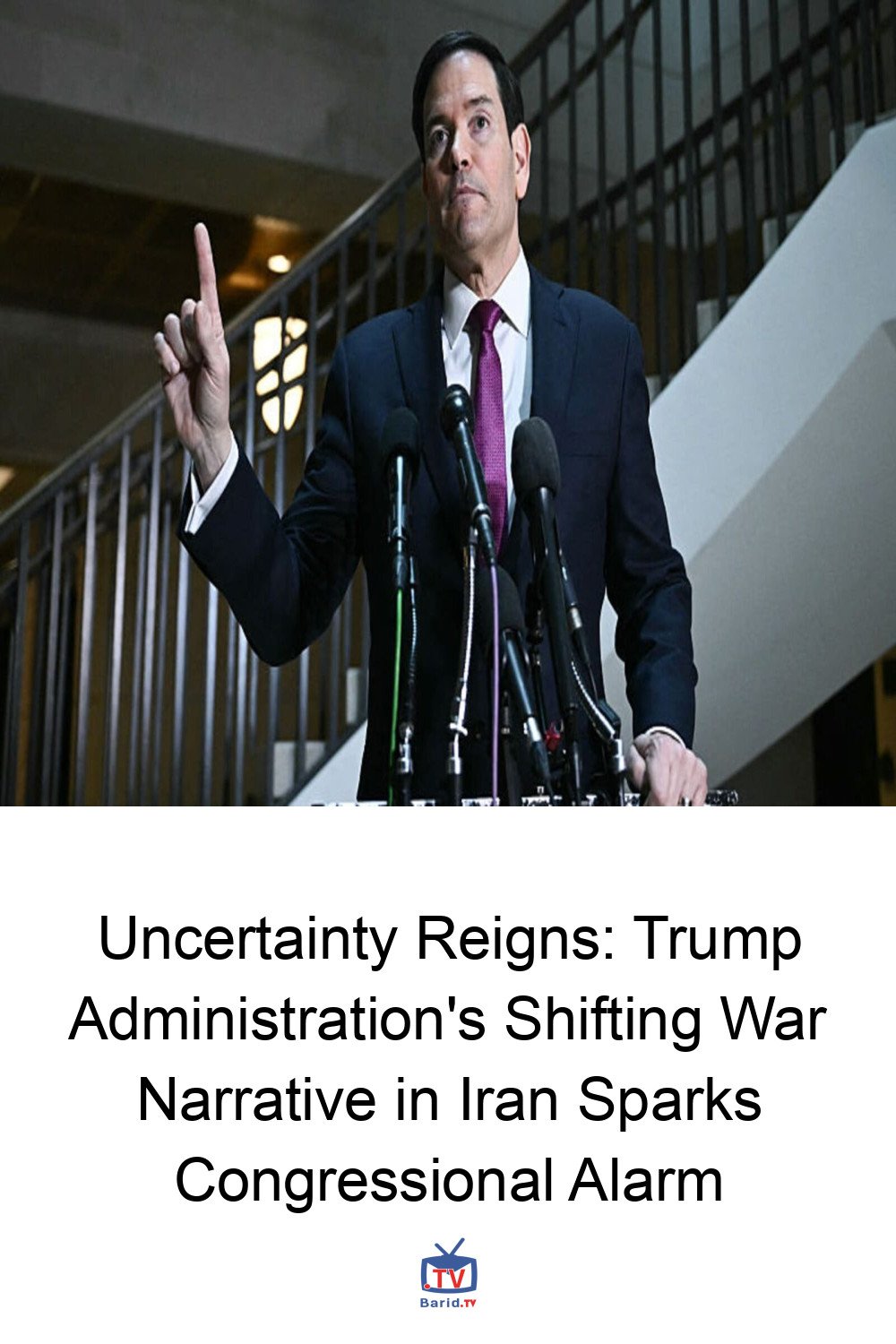
This dynamic of shifting justifications and expanding objectives has ignited fierce criticism from Democrats and prompted unease among some Republicans. Senator Mark Warner (D-Va.), the top Democrat on the Senate Intelligence Committee, voiced his frustration after a briefing with Secretary of State Marco Rubio.
“We have seen the goals for this operation change now, I believe, four or five times,” Warner stated. “It was about the Iranian nuclear capacity, a few days later it was about taking out the ballistic missiles, it was then — in the president’s own words — about regime change … and now we hear it’s about sinking the Iranian fleet. I’m not sure which of those goals, if met, means that we’re at an endgame.”
Senator Richard Blumenthal (D-Conn.) offered an even blunter assessment: “The president’s been all over the place.”
Escalation and the Human Cost
As the death toll for U.S. service members climbs to six, the urgency of these questions intensifies. The changing narrative not only sows doubt about the administration’s motives but also raises profound concerns about the extent of U.S. commitment and potential long-term entanglement in a volatile region. Analysts suggest the U.S. could be simultaneously pursuing both regime change and the functional disarmament of Iran, a complex and ambitious undertaking with far-reaching implications.
On Monday, President Trump once again reiterated a comprehensive list of priorities: destroying Iran’s missile capabilities, dismantling its navy, preventing nuclear weapon acquisition, and crippling its ability to fund terrorist proxies. Yet, without a clear, consistent, and unified message, the path forward remains shrouded in uncertainty, leaving the American public and its allies grappling with the true purpose and potential duration of this unfolding conflict.
For more details, visit our website.
Source: Link






Leave a comment