




Navigating the Crisis: Nations Mobilize to Bring Citizens Home
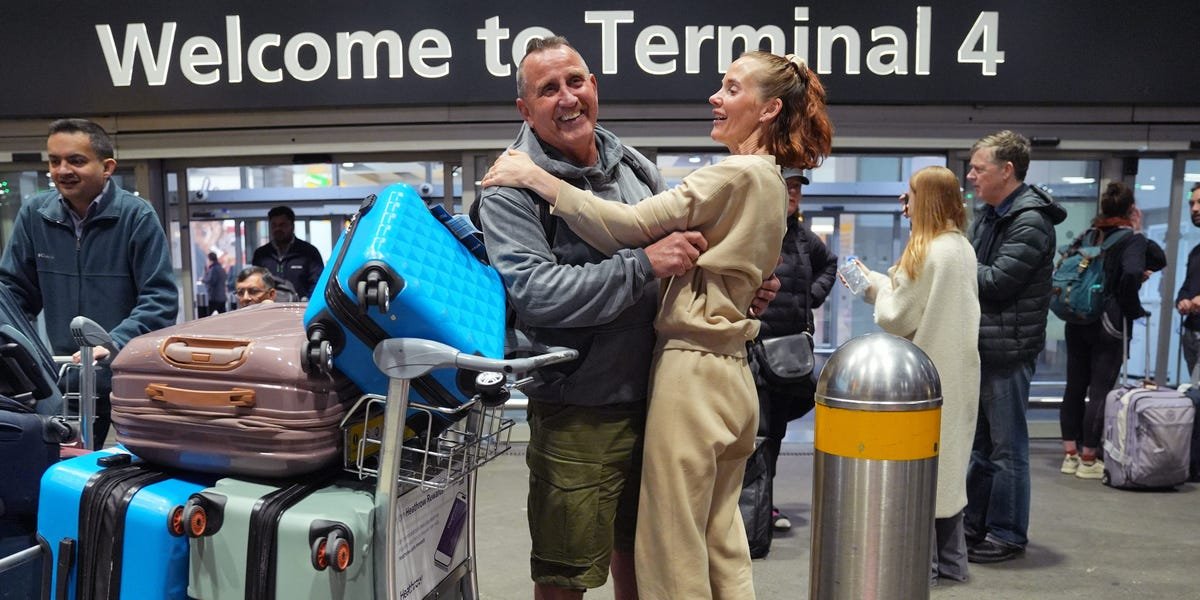
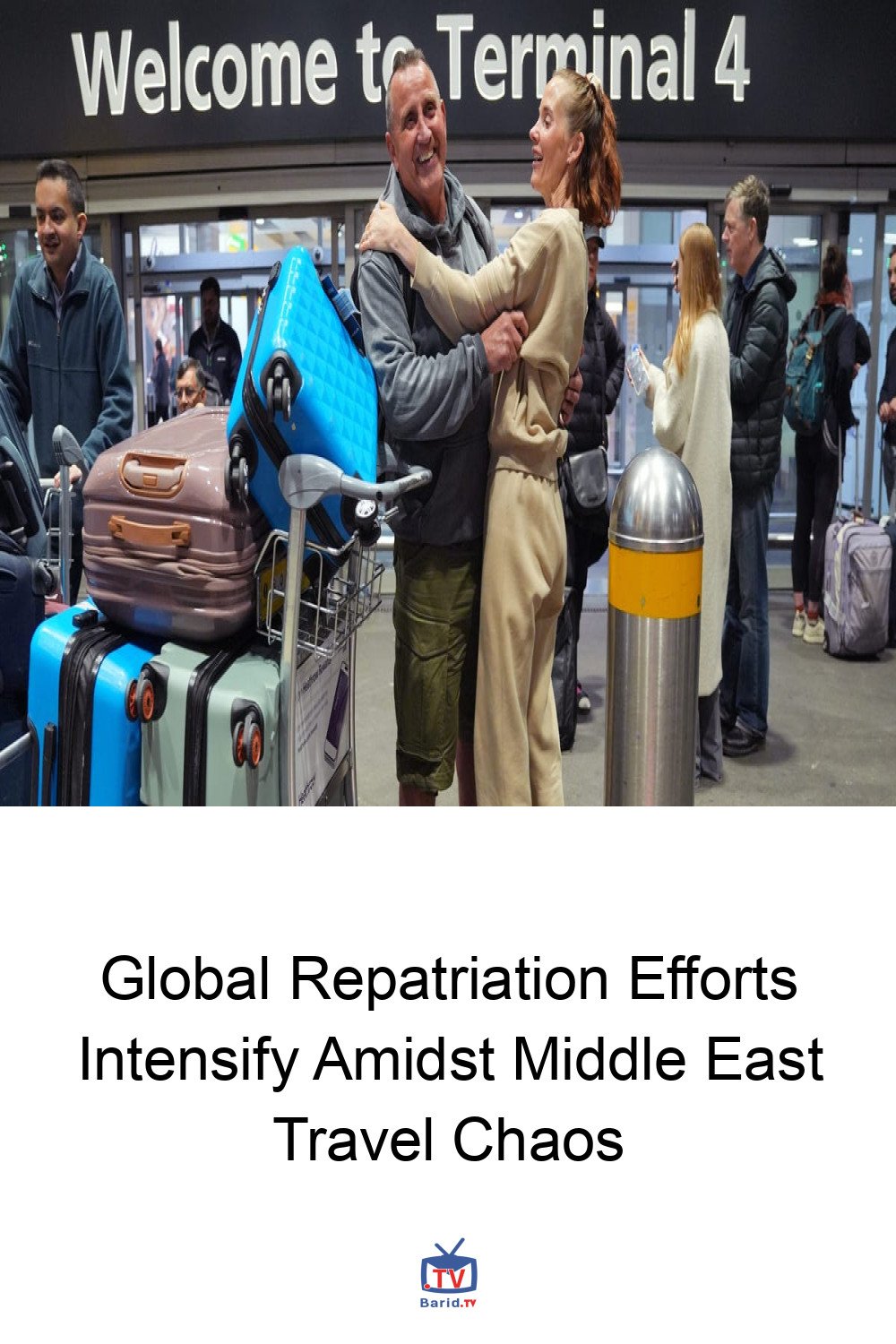
The escalating conflict in the Middle East, particularly involving Iran, has plunged regional travel into unprecedented disarray, leaving thousands of international citizens stranded or facing significant safety concerns. As the geopolitical landscape shifts rapidly, governments worldwide are activating complex and often perilous repatriation strategies to ensure the safe return of their nationals.
The Immediate Impact on Travel
Airspace restrictions, heightened security alerts, and the sudden cancellation of commercial flights have created a logistical nightmare for travelers and airlines alike. Major hubs that once served as vital transit points are now either inaccessible or operating with extreme caution, forcing a complete re-evaluation of travel routes and safety protocols.
Countries’ Urgent Responses
From diplomatic negotiations to the deployment of military assets, the methods employed by various nations to extract their citizens are diverse and reflect the urgency of the situation. Many countries have established emergency consular hotlines, set up temporary processing centers in neighboring, safer territories, and are chartering special flights where commercial options are non-existent. Some are even coordinating with international aid organizations for ground transportation through conflict zones, a testament to the extreme measures being taken.
Challenges and the Road Ahead
The process is fraught with challenges, including securing safe passage, navigating complex bureaucratic hurdles in multiple jurisdictions, and ensuring the well-being of vulnerable populations, such as families with young children or individuals requiring medical assistance. The long-term implications for Middle East travel and international relations remain uncertain, but the current focus is unequivocally on the immediate humanitarian task of bringing people home safely.
For more details, visit our website.
Source: Link







Leave a comment