





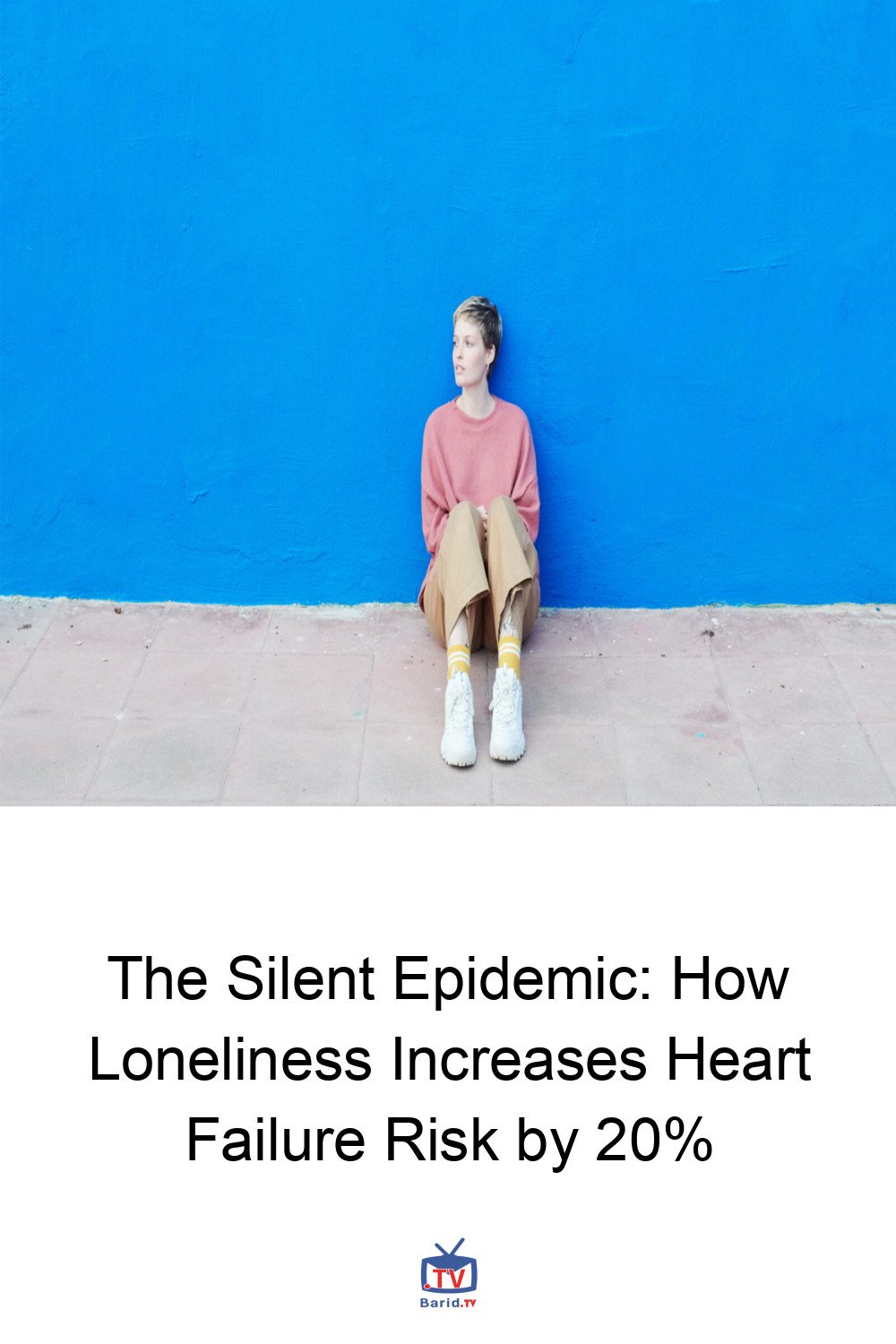
In an era increasingly defined by digital connections, the profound impact of genuine human interaction on our physical well-being is often underestimated. While the mental health toll of loneliness is widely acknowledged, new research reveals a startling connection between social isolation and one of the world’s deadliest diseases: heart failure.
The Silent Threat: Loneliness and Your Heart
The year 2020 brought into sharp focus the pervasive nature of loneliness, and its emotional scars are still fresh for many. But beyond the immediate feelings of sadness and anxiety, compelling scientific evidence now suggests that prolonged loneliness can have lasting, detrimental effects on our physical health, specifically our cardiovascular system.
Unpacking the Research
A comprehensive UK Biobank study, involving nearly half a million participants, meticulously investigated the intricate relationship between loneliness, social isolation, and the incidence of heart failure over an extensive 12-year period. The findings were sobering: both loneliness and social isolation were found to significantly elevate the likelihood of heart failure leading to hospitalization or even death, with an increased risk ranging from 15% to 20%.
Researchers observed that this alarming link was most pronounced in cases where loneliness or social isolation were classified as severe. While the study firmly establishes this correlation, future investigations aim to unravel the precise biological mechanisms through which a lack of social connection impacts the heart. There are also plans to explore its effects on other critical global health concerns.
A Global Health Concern
These findings carry immense global implications. Heart disease remains the leading cause of death in America, contributing to a substantial percentage of fatalities nationwide. The statistics are stark: a heart attack occurs in the U.S. every 33 seconds. Heart complications are inextricably linked to a host of pressing health issues, including obesity, diabetes, tobacco use, and poor dietary habits.
Given the mounting evidence that robust social relationships are fundamental to overall health and longevity, it is perhaps unsurprising that loneliness now joins this formidable list of risk factors.
Prescribing Connection: A Holistic Approach to Heart Health
Prioritizing cardiovascular health is paramount for enhancing overall well-being and extending one’s lifespan. The good news is that many risk factors for heart disease can be addressed through a unified strategy: embracing a healthy lifestyle.
The Power of Lifestyle Choices
This holistic approach encompasses several key pillars: regular physical activity, effective stress management techniques, and ensuring adequate, restorative sleep. Adopting a healthy, balanced diet is also a cornerstone recommendation from leading organizations like the American Heart Association for mitigating heart disease risk. Furthermore, emerging research highlights the crucial link between gut health and heart health, underscoring the importance of incorporating microbiome-friendly foods and beneficial probiotics into your daily regimen.
Nurturing Your Social Well-being
Crucially, as scientific consensus now affirms, cultivating a vibrant social life is as vital as any other lifestyle choice in safeguarding your heart. In our increasingly remote and work-from-home world, the deliberate effort to foster meaningful relationships and maintain an active social calendar has never been more critical.
Even for those who identify as introverts or experience social anxiety, there are accessible strategies to combat loneliness and isolation. This might involve seeking out social settings that feel comfortable and manageable, even if they are less frequent or involve smaller groups. The key is intentionality and finding what works best for your individual needs.
The Bottom Line
A landmark study involving nearly half a million individuals has unequivocally demonstrated that social isolation and loneliness can escalate your risk of heart failure by as much as 20%. This compelling evidence reinforces a growing body of research that champions the indispensable role of strong social connections in nurturing both mental and physical health. It’s a powerful reminder that caring for our hearts extends far beyond diet and exercise; it also means caring for our connections.
For more details, visit our website.
Source: Link







Leave a comment