



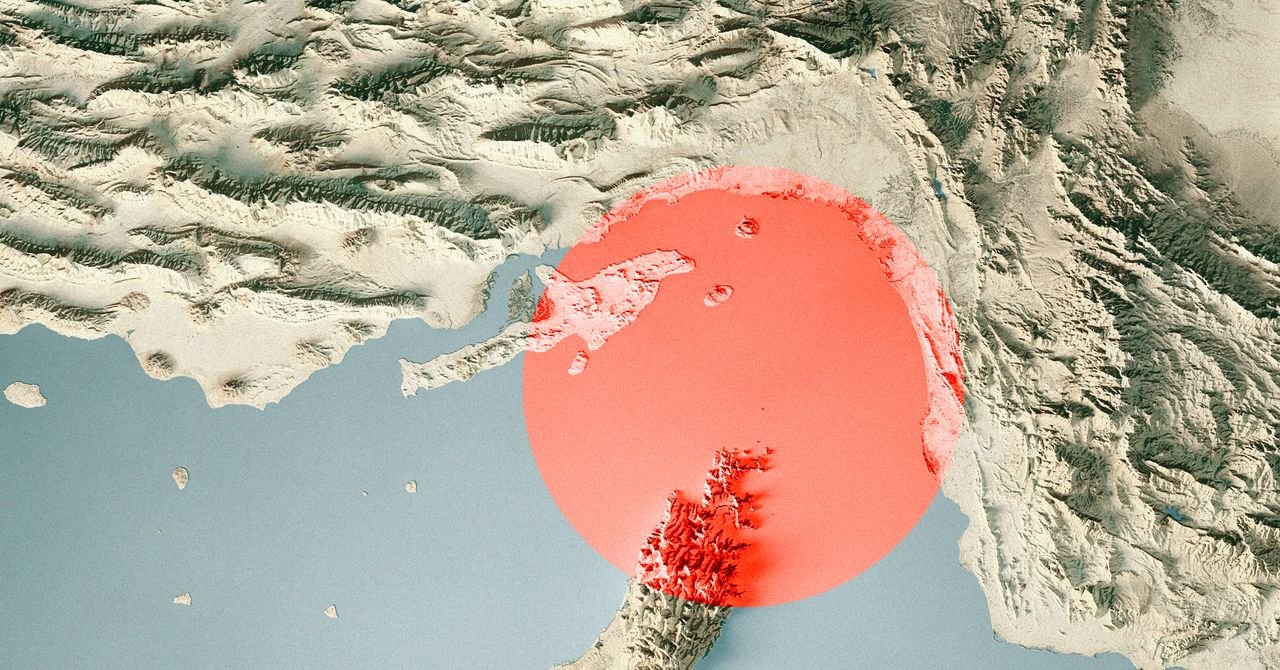

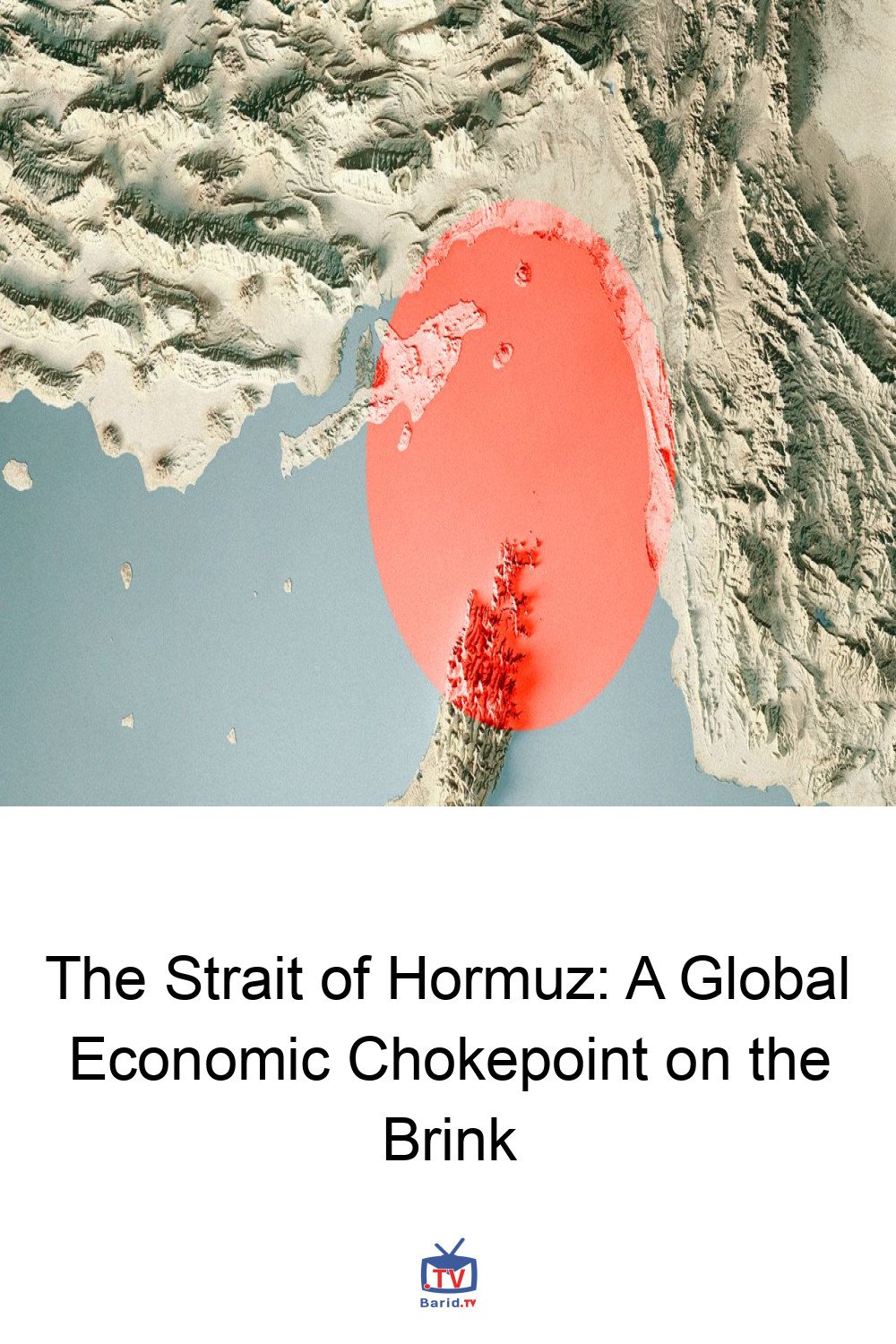
The Strait of Hormuz, a narrow waterway connecting the Persian Gulf to the open ocean, stands as the world’s most critical energy chokepoint. In an increasingly volatile geopolitical landscape, particularly in the aftermath of recent US-Israeli actions targeting Iran, the prospect of its disruption looms large—a scenario that analysts warn would unleash a devastating inflation shock across the global economy, far beyond the confines of the Gulf itself.
The Imminent Threat: Warnings and Incidents
Recent events underscore the fragility of this vital maritime artery. Following alleged strikes on Iran in late February, the semi-official Tasnim news agency provocatively declared the “Strait of Hormuz is shut down.” This was swiftly followed by alarming VHF radio warnings from Iran’s Revolutionary Guards to vessels, asserting that “no ship is allowed to pass the Strait of Hormuz.” Further escalating tensions, an oil tanker was reportedly attacked off Oman’s port of Khasab, within the Strait, though the perpetrator remains unknown.
Why the Strait is Indispensable to Global Energy
The sheer volume of energy commodities traversing the Strait of Hormuz highlights its unparalleled importance. Data from the US Energy Information Administration reveals that approximately 20 million barrels of oil and petroleum products flowed through the strait daily in 2024, accounting for roughly one-fifth of global oil consumption. But its significance extends beyond crude; the waterway is equally crucial for gas markets, facilitating about 20 percent of the world’s liquefied natural gas (LNG) trade.
In essence, any significant disruption here would instantaneously sever a substantial portion of the world’s energy supply from global markets, with immediate and far-reaching consequences.
Legal Nuances and Market Realities
While international law, specifically the United Nations Convention on the Law of the Sea, protects transit through international straits unless physically prevented, the reality on the ground is often dictated by market sentiment and perceived risk. The United Kingdom Maritime Trade Operations (UKMTO) has clarified that radio messages declaring the strait closed are not legally binding. However, markets and shipping companies rarely wait for formal blockades.
Pre-emptive Market Reactions
Evidence of this pre-emptive caution is stark. S&P Global Commodity Insights reported a dramatic 40-50 percent drop in vessel traffic within hours of recent tensions, as ships scrambled to exit the area and new arrivals hesitated. Geopolitical friction alone, even without physical disruption, demonstrably slows shipments. Analysts from S&P Global CERA warn that “Hormuz risk is not only about closure but also fleet productivity. If Iran escalates by seizing tankers or using drones to threaten commercial traffic, voyage times and possibly costs for Middle East oil exports would further increase.” Already, numerous shipping companies are rerouting, anticipating significant delays and rescheduling.
The Catastrophic Implications of a Closure
The world currently possesses no alternative export system capable of matching the scale of the Strait of Hormuz. While Saudi Arabia and the UAE operate bypass pipelines, these can only accommodate a fraction of the Gulf’s total energy flows. Crucially, major exporters like Iraq, Kuwait, and Qatar lack any meaningful alternatives.
A formal closure would virtually halt most oil exports from the Gulf. Even with bypass pipelines operating at maximum capacity, an estimated two-thirds of Gulf exports would remain stranded. The impact on LNG markets would be equally devastating; Qatar, the world’s largest exporter of liquefied natural gas, relies almost entirely on the Strait of Hormuz for its shipments. Asian economic powerhouses such as Japan, South Korea, China, and India, heavily dependent on imported LNG for electricity generation, could face critical supply shortages within days.
Sourcing oil from distant regions, like the Atlantic, would necessitate significantly longer shipping times and higher costs, inevitably driving global energy prices skyward.
Ripple Effects on Global Consumers
Historical models consistently predict that a sudden loss of Gulf supply would trigger a sharp surge in oil prices. The repercussions for global consumers would be swift and severe: soaring gas prices at the pump, more expensive airline tickets, and escalating transport costs that would permeate supply chains, ultimately inflating the prices of food and essential goods.
Financial markets, ever sensitive to risk, would react even before physical shortages manifest. Oil futures would surge, transport-sector equities would weaken, and the currencies of major energy exporters would strengthen as traders factor in the heightened risk. While strategic petroleum reserves could offer some moderation, their release takes time and cannot fully compensate for the unique grades of crude supplied via the Gulf.
The Strait of Hormuz is more than just a shipping lane; it is the economic pulse of the global energy market. Its disruption would not merely be a regional crisis but a profound challenge to global stability and prosperity.
For more details, visit our website.
Source: Link







Leave a comment