



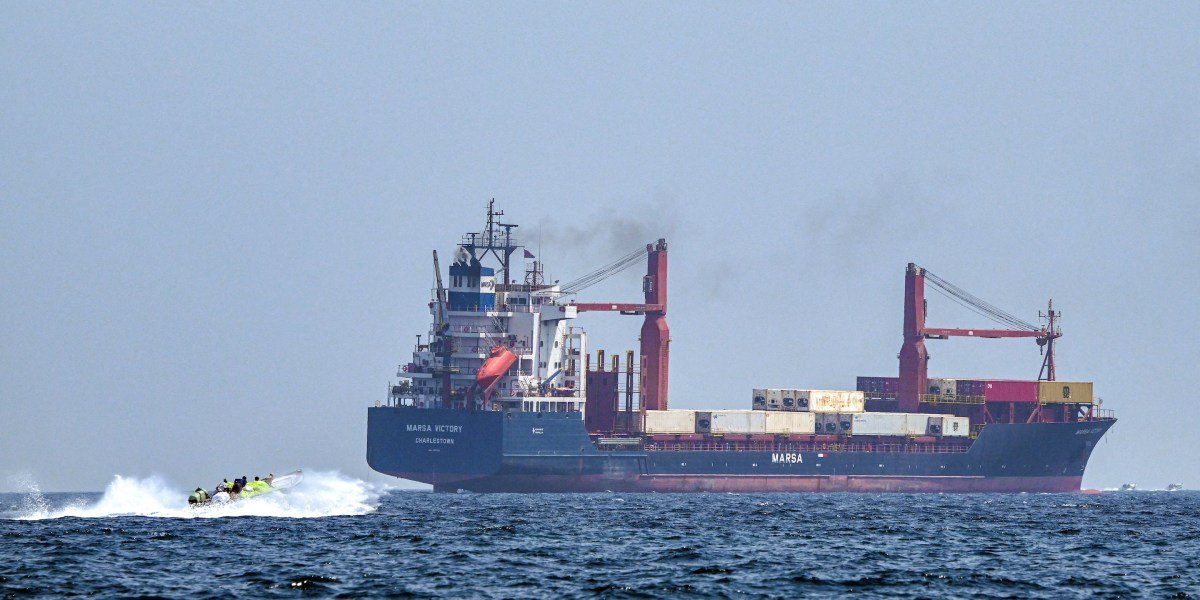

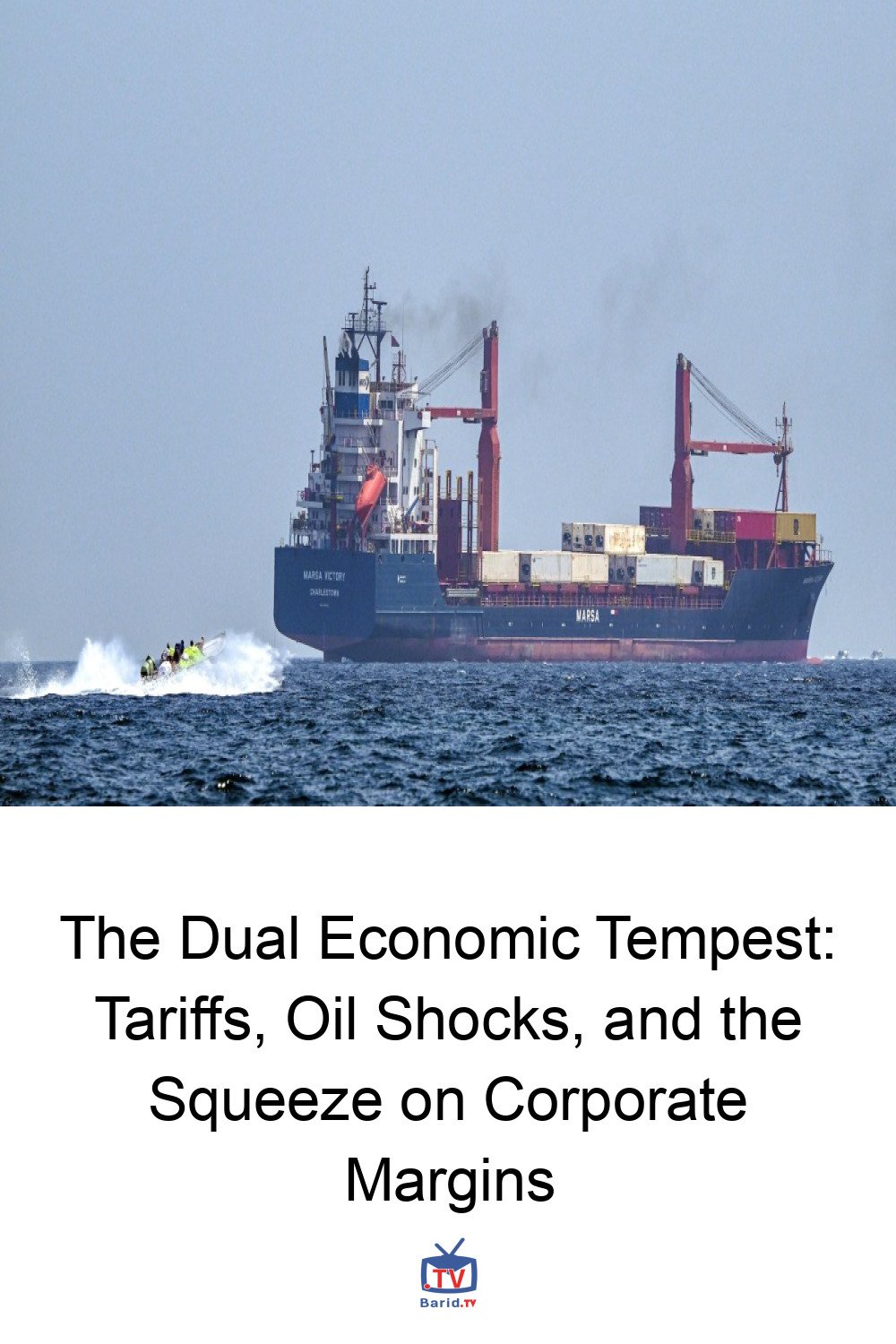
In an already turbulent global economy, businesses are now grappling with a formidable dual threat: persistent trade tariffs and a sudden, sharp energy shock. Just as corporate strategists were beginning to adapt to the complexities of tariff regimes, geopolitical tensions in the Middle East have ignited a fresh energy crisis, sending oil prices soaring and reigniting fears of inflation. This potent combination threatens to significantly squeeze corporate margins, demanding unprecedented agility and resilience from leaders worldwide.
The Unfolding Economic Storm
The latest jolt came swiftly. Following reports of U.S.–Israeli military action against Iran, global markets reacted with a palpable sense of unease. U.S. stock futures immediately signaled a risk-off sentiment, with the Dow Jones Industrial Average, S&P 500, and Nasdaq futures all experiencing significant dips. However, the most dramatic response was seen in the energy sector: U.S. crude futures surged by 5.6% to $70.77 a barrel, while Brent crude leapt 5.9% to $77.15, having earlier spiked by over 8%.
A Layered Challenge for Businesses
For corporate executives, this isn’t merely about immediate market volatility; it’s about the insidious layering of economic pressures. Tariffs had already introduced significant cost increases and complicated long-term planning. Now, an energy supply scare adds another critical dimension of pressure, impacting fuel, freight, and the cost of raw materials. This arrives at a particularly sensitive time, just as global inflation appeared to be stabilizing.
Adding to the complexity is the persistent policy uncertainty surrounding trade. Despite a Supreme Court ruling striking down certain Trump-era tariffs, analysts anticipate the administration will likely reintroduce them through alternative legal avenues. This unpredictability forces finance teams into a perpetual state of scenario planning, modeling multiple potential tariff paths. Furthermore, heightened war risks in the Gulf region render already reconfigured global supply chains even more precarious.
The Fragility of Global Supply Chains
A recent McKinsey survey involving 100 companies starkly illustrates the vulnerability of corporate supply chains. A staggering 82% of respondents reported that new tariffs were actively impacting their operations, affecting between 20% and 40% of their supply chain activities. The consequences are tangible: 39% cited higher supplier and material costs, while 30% observed a noticeable weakening in customer demand. Supply chains with a U.S. connection proved particularly susceptible, with 70% of respondents indicating that tariff impacts on U.S. demand were as significant as, or even greater than, effects elsewhere.
From Agility to Structural Resilience
For Chief Financial Officers, adaptability has long been a core competency. However, the escalating interplay of trade friction and geopolitical risk demands a more profound transformation. The focus is shifting beyond mere short-term adjustments towards building deep-seated structural resilience. This encompasses not only financial strategies but also human capital and operational policies, ensuring businesses can withstand prolonged periods of disruption and uncertainty.
C-Suite Moves & Market Insights
Leaderboard: Executive Transitions
Thomson Reuters (TSX/Nasdaq: TRI) announces a significant leadership change as Mike Eastwood, its long-serving CFO, prepares for retirement. Gary E. Bischoping Jr., with over three decades of experience including roles at Hellman & Friedman, Finastra, Varian Medical Systems, and Dell Technologies, will succeed him on May 8. Eastwood will transition to Chairman of the Thomson Reuters Foundation board. Meanwhile, Argo Biopharmaceutical Co., Ltd. (Argo Biopharma) has appointed Gena Wang, formerly a managing director and senior equity research analyst at Barclays, as its new CFO, effective March 1. Wang brings nearly 20 years of Wall Street expertise, specializing in novel therapies.
Big Deal: AI and the Future Workforce
Mercer’s Global Talent Trends 2026 report, based on a survey of 12,000 global respondents, highlights the growing imperative for AI fluency and business agility within the U.S. C-Suite. A substantial 63% of C-suite leaders prioritize redesigning work to integrate AI and automation by 2026. Investor sentiment mirrors this trend, with 60% more likely to invest in organizations that embed AI throughout their workforce, and 72% believing that companies embracing both human and AI capabilities will gain a competitive edge.
Going Deeper: The Generational Economic Anchor
A compelling article by Eleanor Pringle in Fortune, titled “Your grandparents are the reason the U.S. isn’t in a recession right now. That won’t last forever,” explores the paradoxical relationship between the U.S. economy and its aging population. While an older demographic presents long-term challenges like a shrinking labor pool and increased social care costs, Pringle argues that, for now, America’s older generations are directly or indirectly preventing a recession.
Overheard: The Essence of Leadership Longevity
“What I’ve learned after nearly three decades of Double Good is that leadership longevity isn’t about holding on. It’s about letting go.” This insightful quote encapsulates a crucial aspect of sustained leadership: the ability to adapt, delegate, and evolve rather than rigidly clinging to past methods or control.
For more details, visit our website.
Source: Link



Leave a comment