




The Endless Battle Against Plastic Waste
The relentless tide of plastic waste is a defining environmental crisis of our era, and for many, the guilt of contributing to ever-growing landfills is a heavy burden. Imagine a device that promises to transform your unrecyclable soft plastics – the shopping bags, mailers, food packaging, and bubble wrap – into a compact, shippable brick, seemingly whisking away your ecological anxieties. This is the compelling promise of Clear Drop’s Soft Plastic Compactor, a 61-pound machine designed to revolutionize household recycling.
But does this innovative gadget truly offer a sustainable solution, or is it merely a costly illusion? Our investigation delves deep into the Clear Drop system, examining its functionality, the economics of its service, and its ultimate environmental impact. As our reporters, Sean Hollister and Justine Calma, discovered, the reality is far more complex than the initial allure suggests.
First Impressions: A Gadget for the Eco-Conscious
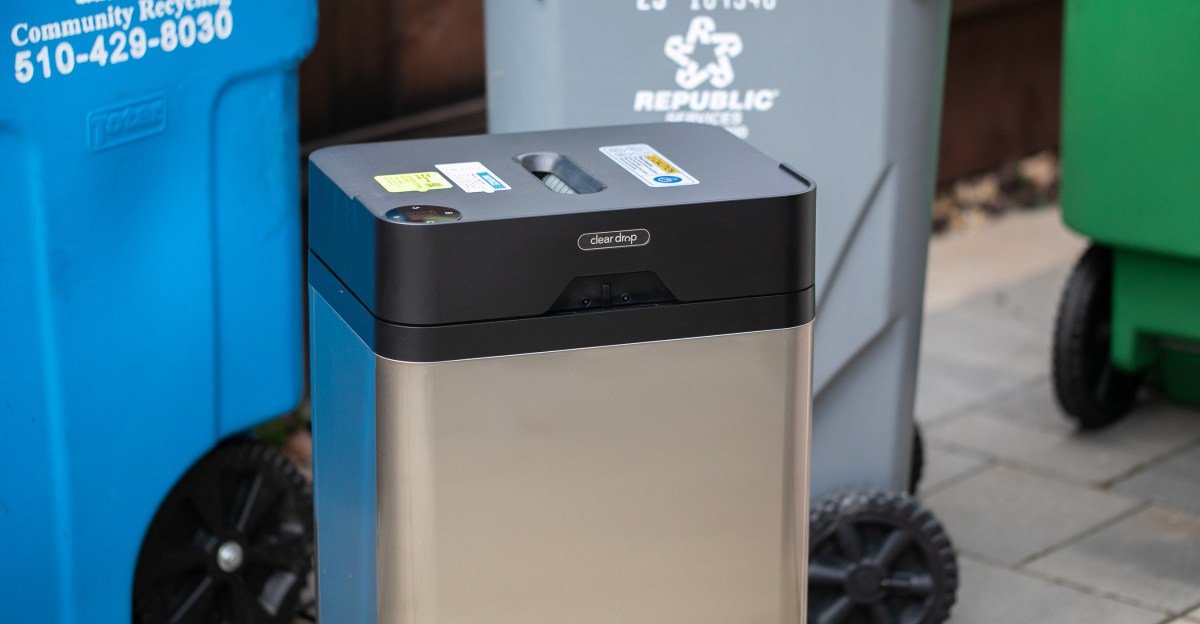
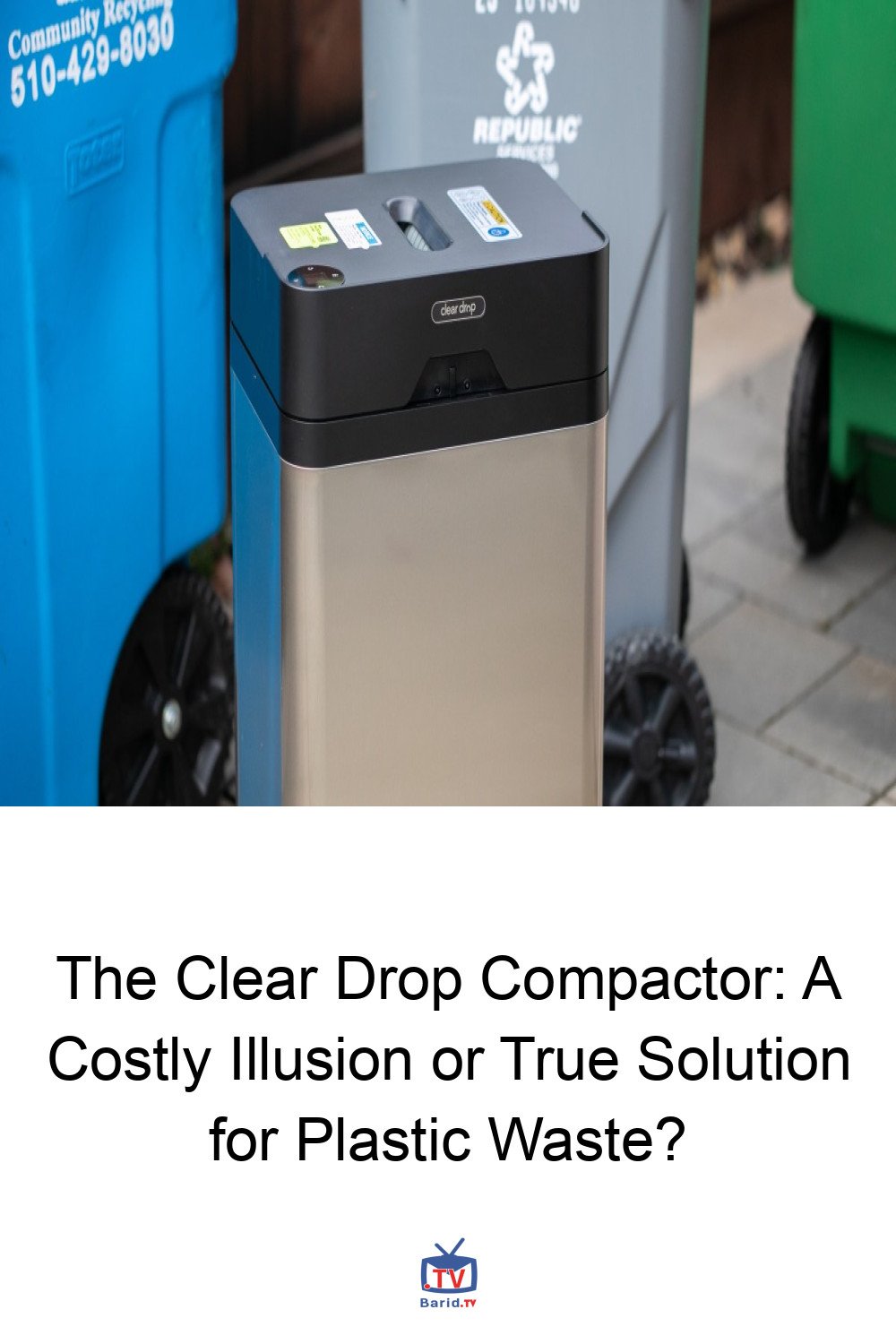
Our reporter, Sean Hollister, a self-professed recycling enthusiast, spent over a month with the Clear Drop compactor. His initial optimism, fueled by a lifelong dedication to responsible waste disposal, quickly gave way to a more nuanced perspective. The machine itself, a sleek 27-inch tall stainless steel unit, integrates seamlessly with modern kitchen aesthetics, designed to sit alongside typical trash cans. Its operation appears deceptively simple: feed in soft plastics, and internal motorized rollers and a heating element compress and melt them into a dense, 3-pound brick.
Hollister found the compactor surprisingly user-friendly in its initial stages. It’s a ‘dumb gadget’ in the best sense – no Wi-Fi, no apps, no firmware updates; just plug-and-play with simple touchpad controls. He enjoyed the ritual of feeding it plastic bags, snack wrappers, and Ziplocs, watching the waste disappear. The machine’s ability to handle various soft plastics, even those with minor contaminants like foil liners or cookie crumbs, was a pleasant surprise, according to Clear Drop’s Matt Daly and Frankfort Plastics’ Sasi Noothalapati. Their facilities are reportedly equipped to manage a certain degree of contamination, utilizing magnets and separation systems.
The Price of Plastic Peace of Mind
The path to plastic brick-making, however, comes with a significant price tag. A Clear Drop subscription demands a $200 down payment followed by $50 monthly for 24 months, totaling $1,400. This sum, as Hollister notes, rivals his combined monthly expenses for garbage, recycling, and compost. The subscription includes the compactor, one prepaid mailer per month to ship bricks across the country to Clear Drop’s partner, Frankfort Plastics (who claim to recycle them into products like lawn edging and plastic lumber), and a two-year ‘comprehensive protection plan’ covering repairs and replacements.
Beyond this initial period, the compactor becomes yours, but the convenience of prepaid shipping vanishes, replaced by a $15-$20 charge per mailer, and the responsibility for repairs falls solely on the owner. This raises a critical question: with only one public recycling partner nationwide for this specific program, what happens when the two-year safety net expires? The machine’s long-term viability and repairability also give pause.
Skepticism and Unintended Consequences
Yet, the deeper Sean and his colleague, senior science reporter Justine Calma, delved, the more their conviction wavered. The machine, while functional, proved clunky, and the overall service costly. More profoundly, they question whether Clear Drop truly represents a net positive for the environment. The parallels to the infamous Juicero machine, a costly gadget for a task easily done by hand, are hard to ignore. There’s a palpable concern that such a device might inadvertently encourage greater consumption of disposable plastics.
A ‘verified buyer’ on Clear Drop’s website, Ryan A., unwittingly highlighted this fear three months ago: “Now I can get some products I’d otherwise avoid because if [sic] packaging and its like a weight has been lifted off my shoulders.” While the problem of unrecyclable soft plastics is undeniably real, the solution offered by Clear Drop might be creating a new set of challenges, leaving users like Hollister feeling ‘guiltier than ever now I’m throwing that plastic back in the trash’ once the system’s limitations become apparent.
Conclusion: A Step Forward, or a Detour?
The Clear Drop Soft Plastic Compactor presents an intriguing vision for tackling a pervasive environmental issue. It addresses a genuine need for managing difficult-to-recycle soft plastics. However, its high cost, reliance on a single recycling partner, and the potential to foster increased plastic consumption raise serious questions about its long-term viability and true ecological benefit. While the desire to manage our plastic footprint is commendable, the search for truly sustainable, accessible, and unequivocally positive solutions continues.
For more details, visit our website.
Source: Link






Leave a comment