





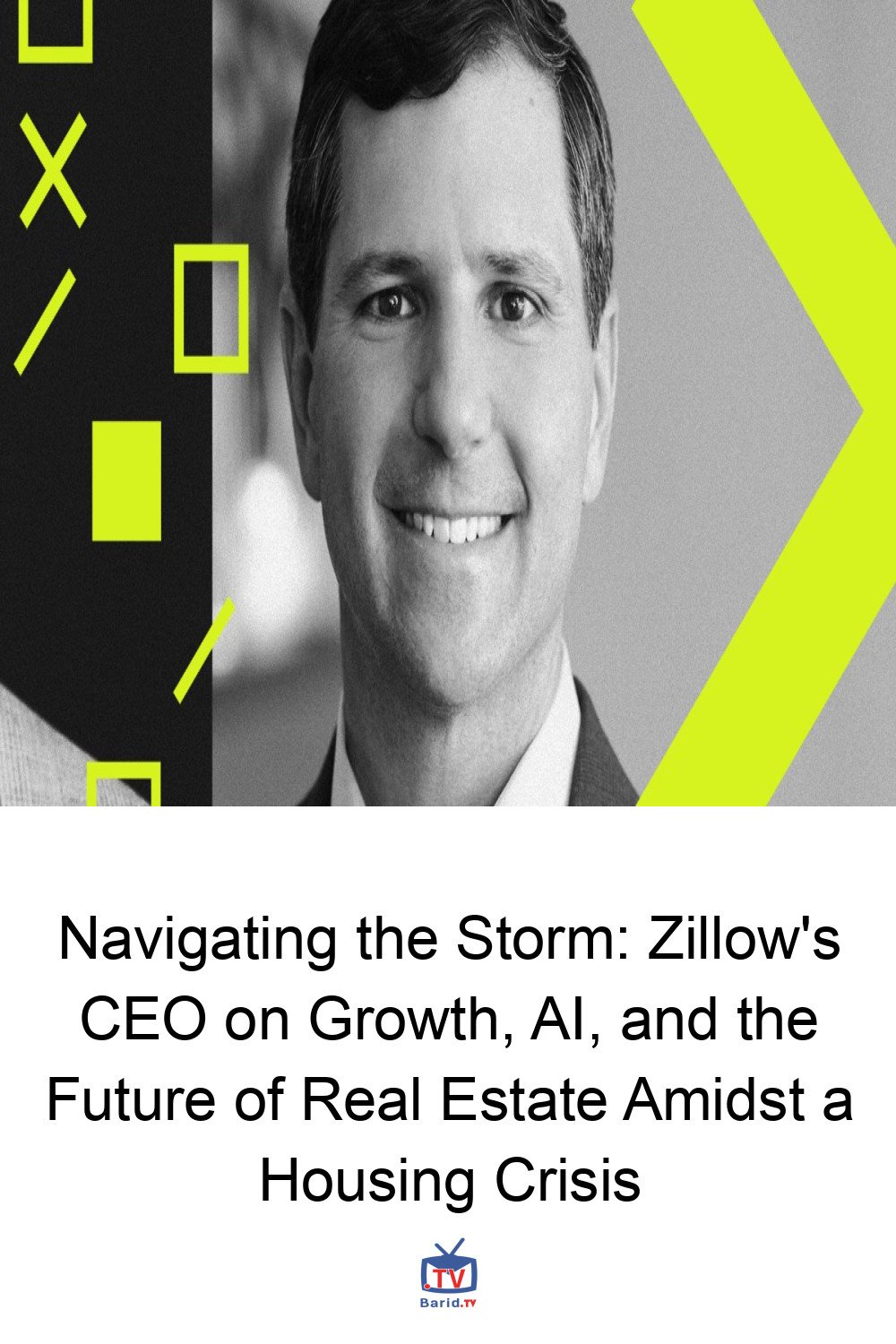
In an era defined by soaring housing costs and unprecedented market shifts, Zillow, the ubiquitous real estate platform, finds itself at a critical juncture. Jeremy Wacksman, the company’s CEO, recently sat down with Nilay Patel of The Verge’s Decoder podcast to peel back the layers of Zillow’s evolution, its intricate relationship with real estate data, and its ambitious vision for the future amidst a challenging housing crisis.
Zillow at 20: Redefining Real Estate in a Digital Age
Twenty years ago, Zillow emerged from the vision of Expedia co-founders Rich Barton and Lloyd Frank, driven by a simple yet revolutionary idea: democratize real estate information. At a time when property data was largely locked behind professional databases, Zillow sought to “turn on the lights,” offering the average buyer and seller unprecedented access. Its launch in February 2006, spearheaded by the now-iconic “Zestimate,” aimed to answer a fundamental question: “What are homes worth?”
What began as a mobile app providing a window into local listings has blossomed into a vertically integrated platform. For many, Zillow transcends mere utility, becoming a source of entertainment – a digital playground for judging interior design choices. Yet, beneath the surface of its user-friendly interface lies a sophisticated ecosystem facilitating the buying, selling, and renting of real estate, a testament to its enduring impact on the smartphone era of software.
The Data Labyrinth: AI, MLS, and the Battle for Information
The conversation with Wacksman quickly delved into the complex world of real estate databases – a realm fraught with political machinations and economic disputes. Zillow, at its core, is a front-end to a vast network of property data. However, the advent of AI poses a provocative question: if an AI agent can directly access the Multiple Listing Service (MLS) database, does a platform like Zillow remain indispensable?
Wacksman, naturally, argues for Zillow’s continued relevance, suggesting its role might become even more critical. This perspective is particularly pertinent given Zillow’s ongoing legal battles concerning listing access and its often-uneasy relationship with traditional realtor groups. The company’s future, as Wacksman envisions it, involves transforming into an end-to-end business platform for real estate agents, streamlining processes and enhancing efficiency.
The Human Element: Scaling Relationships in a Local Market
A central theme of the discussion revolved around the inherent tension between the inherently local, relationship-driven nature of real estate and the platform-level scale Zillow proposes. Can a business built on personal connections truly benefit from the broad reach and technological integration offered by a giant like Zillow? Wacksman believes it can, positioning Zillow not as a replacement for agents, but as a powerful tool to empower them.
The company’s journey has seen significant shifts, from its early days of simply displaying listings to a period where it actively purchased homes. Now, under Wacksman’s leadership since August 2024, Zillow is navigating a changed market, focusing on its role as a comprehensive partner for the entire real estate transaction process.
Looking Ahead: Zillow’s Vision for an End-to-End Platform
As Zillow celebrates its 20th anniversary, its trajectory from a disruptive information provider to a potential full-service platform underscores its dynamic role in the housing market. Wacksman’s insights reveal a company keenly aware of the challenges—from affordability crises to the transformative power of AI—yet resolute in its mission to innovate and adapt. The future of real estate, as seen through Zillow’s lens, is one where technology and human expertise converge to create a more transparent, efficient, and accessible experience for all stakeholders.
For more details, visit our website.
Source: Link





Leave a comment