



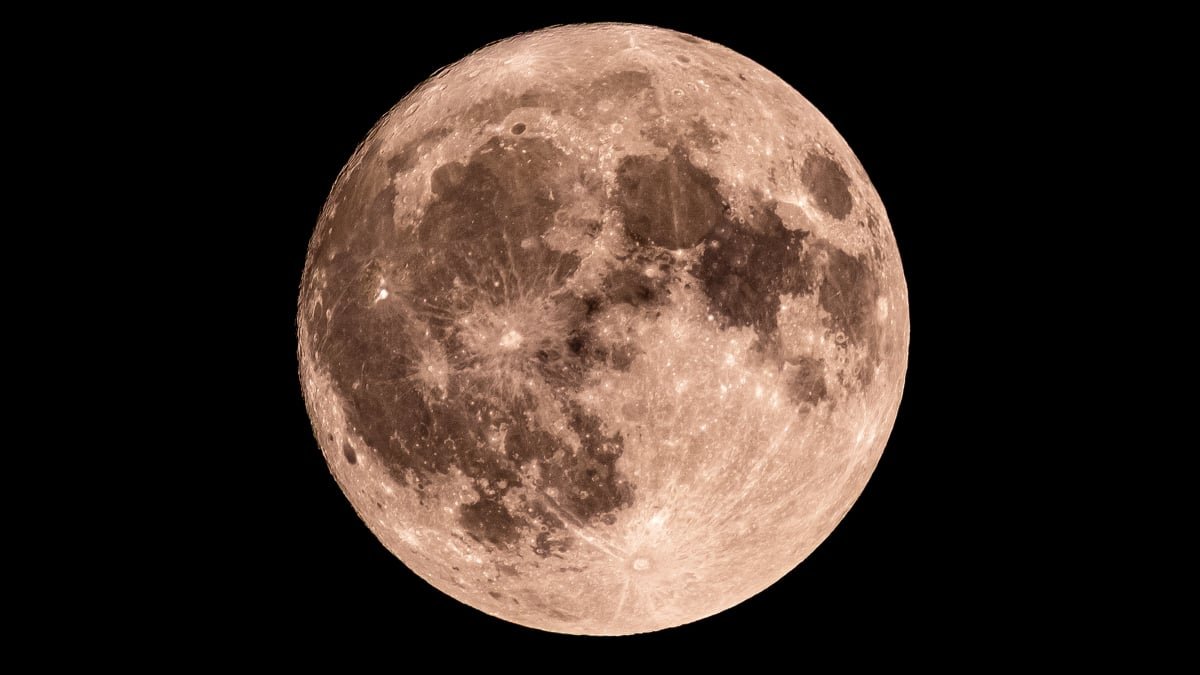

As the celestial curtain rises on March 2, sky-gazers are treated to a magnificent spectacle: a brilliant, near-full Moon dominating the night sky. With the Full Moon just a day away, our lunar companion shines with an impressive 98% illumination, offering a prime opportunity for observation, whether you’re armed with high-tech gear or simply your own two eyes.
Tonight’s Lunar Delights: What to Spot
Prepare to be captivated by the Moon’s intricate surface. Here’s a guide to what you can observe:
Naked Eye Wonders
Even without optical aids, the Moon reveals fascinating details. Look for the distinct dark plains known as Mares Vaporum and Crisium, ancient lava flows that appear as vast, smooth areas. You might also discern the unique geological formation of the Aristarchus Plateau, a bright, elevated region.
Binocular Boost
For those with binoculars, the lunar landscape opens up further. You should be able to glimpse the prominent Endymion Crater, the expansive Grimaldi Basin, and the well-known Archimedes Crater, each offering a deeper dive into the Moon’s cratered history.
Telescopic Treasures
With a telescope, the details become even more astonishing. Advanced observers can pinpoint the historic Apollo 16 landing spot, the delicate linear rille of Rima Hyginus, and the rugged grandeur of the Caucasus Mountains, revealing the Moon’s geological complexity in stunning clarity.
The Anticipation of Fullness: When is the Next Full Moon?
The lunar journey culminates swiftly! Mark your calendars: the next Full Moon is set to grace our skies on March 3, promising a fully illuminated orb. This follows the previous Full Moon, which occurred on February 1.
Unveiling the Lunar Cycle: Understanding Moon Phases
The ever-changing appearance of our Moon is a captivating dance orchestrated by its orbit around Earth and the Sun’s illumination. According to NASA, the Moon completes one full orbit approximately every 29.5 days, a period we refer to as the lunar cycle. While the same side of the Moon perpetually faces our planet, the amount of its surface lit by the Sun varies as it progresses along its orbital path. These shifts in sunlight create the distinct appearances we observe from Earth, ranging from a completely dark “New Moon” to a brilliant “Full Moon” and everything in between.
The Eight Phases of the Moon
The lunar cycle comprises eight recognizable phases, each with its unique visual signature:
- New Moon: Positioned between Earth and the Sun, the side of the Moon facing us is entirely dark and invisible.
- Waxing Crescent: A slender sliver of light emerges on the right side (for observers in the Northern Hemisphere).
- First Quarter: Half of the Moon’s face is illuminated on the right side, appearing as a perfect half-Moon.
- Waxing Gibbous: More than half of the Moon is lit, steadily growing towards full illumination. This is the phase we are witnessing on March 2.
- Full Moon: The entire face of the Moon is fully illuminated and brilliantly visible, marking the peak of its brightness.
- Waning Gibbous: The Moon begins to lose light from its right side (Northern Hemisphere), gradually receding from its full state.
- Third Quarter (or Last Quarter): Another half-Moon appears, but this time the left side is illuminated.
- Waning Crescent: A thin crescent of light remains on the left side, slowly diminishing until the New Moon phase returns.
For more details, visit our website.
Source: Link







Leave a comment