




Defying Danger: The Unseen Resilience of Gulf Delivery Drivers Amidst Missile Threats
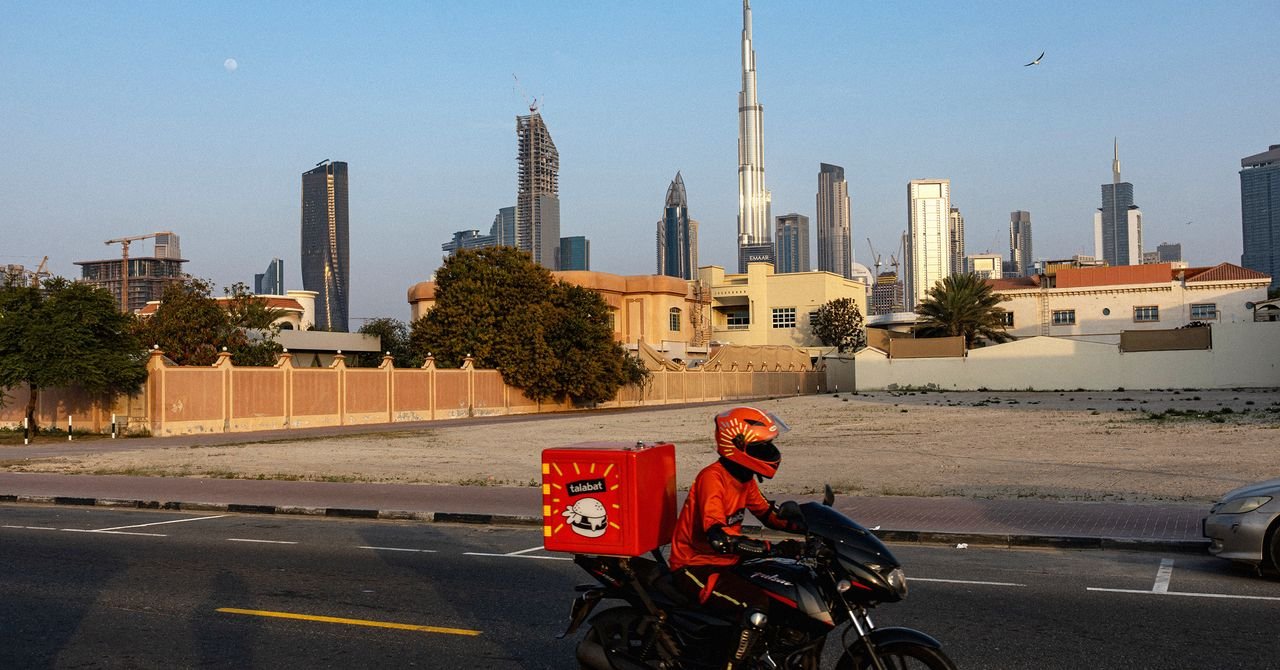
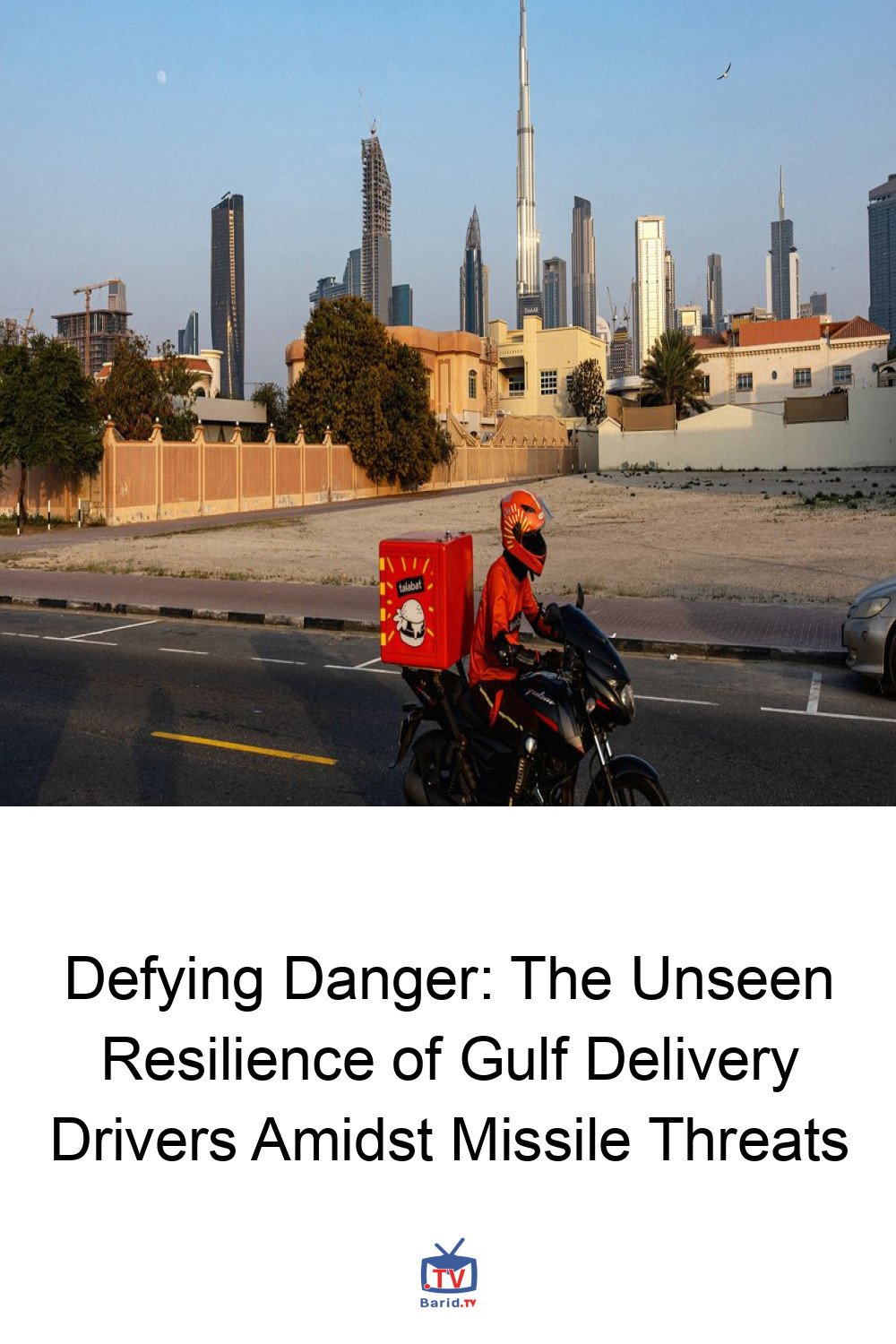
In a region grappling with escalating missile attacks, where flight delays and the ominous sound of interceptions overhead have become a grim soundtrack to daily life, an extraordinary paradox unfolds: the wheels of third-party delivery apps continue to turn. Despite the palpable tension and very real dangers, platforms like Careem and UberEats have largely maintained operations across the Gulf, albeit with slower deliveries, altered routes, and temporary pauses in certain zones. This unwavering commitment to service, even in the face of conflict, highlights a complex interplay of necessity, corporate responsibility, and the often-overlooked human element.
A Region Under Fire, A Service Uninterrupted
The initial shockwaves of the first attacks saw many delivery platforms briefly offline in the UAE, only to swiftly resume service. Companies articulate their mission as ensuring residents retain access to essentials and a semblance of normalcy. Careem, for instance, informed WIRED Middle East that it is “assessing the safety of our operations area by area and in real time,” providing immediate updates and guidance to its “Captains” (drivers) via WhatsApp and SMS. Crucially, the company emphasized that drivers are “not required to be online if they have concerns about doing so.”
Uber echoed this sentiment, confirming its services, including UberEats, are fully operational. “The safety and wellbeing of our riders and partner drivers is our core priority; we are monitoring the situation in real-time and will continue to operate in strict alignment with all local government recommendations,” an Uber spokesperson stated. This corporate stance aligns with recommendations from the UAE Ministry of Human Resources and Emiratisation, which advised remote working for the private sector from March 1-3, with exceptions for essential roles requiring physical presence.
The Human Cost: Drivers on the Frontline
While companies project an image of cautious continuity, the decision to keep services running has ignited a fervent online debate, spotlighting the precarious position of delivery riders. Critics argue that these individuals are being placed in harm’s way. Even successful missile interceptions carry risks – falling debris and road hazards are a constant threat. The Ministry of Defense has tragically reported 3 deaths and 58 injuries in the UAE since attacks commenced on February 28, underscoring the very real dangers.
Economic Pressures and Safety Gaps
The dilemma for drivers is profound. One Deliveroo driver, working through a third-party logistics agency, revealed the harsh realities of his employment under anonymity. Refusing work or failing to meet daily delivery quotas can result in fines from his agency. For most platforms, drivers receive a basic salary augmented by a fee per delivery, creating a powerful incentive to maximize trips. Uber’s model, for example, pays for pickups, drop-offs, a per-mile rate, and tips, meaning declining an order directly impacts earnings.
Disturbingly, the Deliveroo driver also stated he had received no safety guidelines or advice from the company regarding ongoing missile and drone strikes, raising serious questions about the adequacy of support for those on the ground.
Essential Yet Exposed: The Modern Paradox
Beyond convenience, delivery apps have become vital conduits for groceries, medicine, and other necessities, particularly for those choosing to stay indoors. Careem noted a significant surge in demand for pantry staples like water, rice, pasta, and fresh produce, highlighting the critical role these services play in maintaining community resilience.
The UN’s International Labour Organization (ILO) officially recognizes delivery drivers as essential workers. This designation, solidified during the 2020 Covid-19 pandemic when e-commerce became indispensable, acknowledges their crucial role in ensuring access to food, medicine, and daily necessities, especially during crises. As the ILO noted, “Most countries included activities safeguarding access to food, water, electricity, sanitation and healthcare, and ensuring public order,” and the provision of such goods and services inherently brought transport drivers into the fold.
A Historical Echo in Modern Times
The concept of “essential worker” isn’t new; it has historical precedents stretching back centuries. During the plague in Europe, grave diggers were deemed essential. The Spanish Flu pandemic saw rice farming prioritized to avert famine. In our modern, interconnected society, “essential” takes on a new meaning. Keeping these services operational is not just about convenience; it’s a critical component of maintaining normalcy, preventing panic buying, and ensuring shelves remain stocked. Yet, this vital function often comes at a significant cost, disproportionately borne by migrant workers who navigate these perilous conditions to keep the gears of society turning. This story, originally reported by WIRED Middle East with additional reporting by Dana Alomar, serves as a stark reminder of the unseen sacrifices underpinning our modern conveniences.
For more details, visit our website.
Source: Link






Leave a comment