




AI Art’s Copyright Conundrum: Supreme Court Declines to Hear Landmark Case
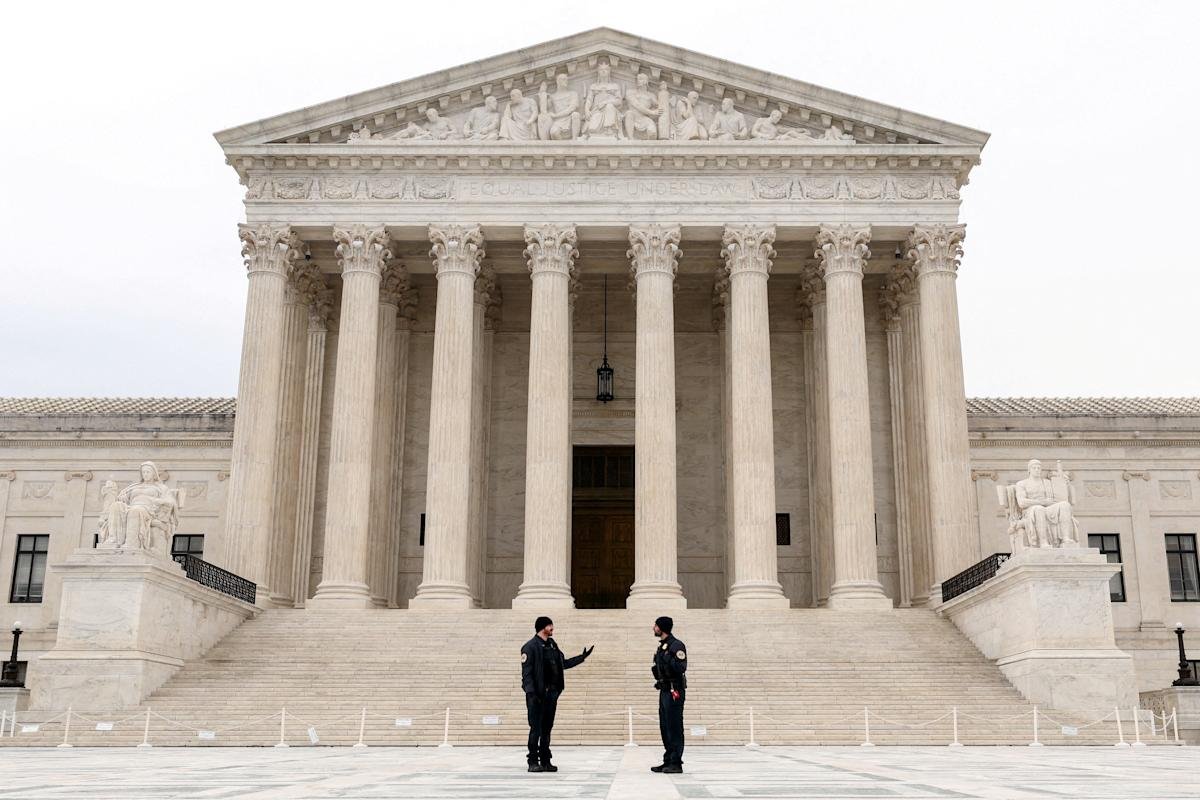
In a move that sends a clear message to the burgeoning world of artificial intelligence and digital creativity, the U.S. Supreme Court has opted not to intervene in the ongoing debate surrounding the copyrightability of AI-generated artwork. This decision, announced on Monday, effectively upholds a lower court’s ruling, solidifying the current legal stance that creations solely produced by AI systems cannot be copyrighted under existing U.S. law.
The Unfolding Legal Battle for AI Creativity
The case at the heart of this legal saga dates back to 2018, initiated by computer scientist Stephen Thaler. Thaler, a pioneer in the field, sought to secure copyright for an artwork titled “A Recent Entrance to Paradise,” which was entirely conceived and generated by an AI system he developed, rather than popular tools like ChatGPT or Midjourney. His application to the U.S. Copyright Office was, however, rejected in 2022. The core reason? The artwork lacked a human author, a fundamental requirement for copyright protection.
Thaler’s Persistent Appeals and the Courts’ Stance
Undeterred, Thaler pursued his case through the legal system, appealing the Copyright Office’s decision. He faced setbacks from both a federal judge in Washington and the U.S. Court of Appeals, both of whom sided with the initial rejection. This left the Supreme Court as his final avenue for appeal. The highest court’s refusal to hear the case now means that these previous rulings stand, effectively closing the door on Thaler’s specific legal challenge.
Implications for the Creative Industry and Beyond
While the Supreme Court’s decision doesn’t preclude future cases on related matters, the immediate impact is significant. Thaler’s lawyers expressed concern that even if the Copyright Office’s stance were to be overturned in a future case, it would be “too late,” highlighting the negative repercussions this decision will have on the creative industry during “critically important years.”
This ruling underscores a growing tension between rapid technological advancement and established legal frameworks. As AI tools become increasingly sophisticated and integrated into artistic processes, the question of ownership and intellectual property rights will only become more complex. It’s worth noting that Thaler has faced similar rejections from the U.S. Patent and Trademark Office for AI-generated inventions, indicating a broader legal challenge for AI-created intellectual property.
The Supreme Court’s silence on this matter speaks volumes, signaling that for now, the human element remains paramount in the eyes of U.S. copyright law, leaving artists and developers to navigate an evolving landscape where innovation often outpaces legislation.
For more details, visit our website.
Source: Link





Leave a comment