

The Power Price Surge: AI, Aging Grids, and the Trillion-Dollar Question
As American households grapple with ever-increasing utility bills, a complex web of factors, from an aging infrastructure to the insatiable demands of artificial intelligence, is pushing energy costs to unprecedented levels. What began as a quiet financial burden has escalated into a bipartisan political flashpoint, drawing the attention of leaders like former President Donald Trump and governors nationwide. While utility CEOs speak of ‘affordability,’ their companies are simultaneously implementing record-breaking rate hikes, leaving consumers to wonder: who, or what, is truly to blame?
The Unrelenting Ascent of Utility Costs
Last year, electric and natural gas bills emerged as the primary drivers of inflation, climbing by 7% and 11% respectively. Projections indicate this upward trend is set to continue, with utilities across the nation requesting a staggering $31 billion in rate increases for 2025 – more than double the amount sought in 2024. Many of these proposed hikes are yet to take effect, signaling further financial strain for consumers in the near future.
The escalating cost of keeping the lights on and homes warm is no longer a ‘sleepy issue.’ It’s a significant concern expected to heavily influence the upcoming midterm elections, underscoring its broad impact across the political spectrum.
Beyond the AI Hype: A Web of Contributing Factors
While the burgeoning AI data center industry often finds itself in the crosshairs, energy analysts and watchdogs caution against an oversimplified narrative. The AI boom is undoubtedly contributing to rising demand and costs, yet it represents only one piece of a much larger, more intricate puzzle. Residential electricity prices, for instance, have surged by nearly 30% since 2021, predating the widespread launch of generative AI tools like ChatGPT.
The Data Center Dilemma: A Piece of the Puzzle
The energy appetite of hyperscale data centers, powering everything from cloud computing to advanced AI models, is immense. In response to growing pressure, major tech giants including Amazon, Google, Meta, Microsoft, xAI, Oracle, and OpenAI are committing to a ‘Bring Your Own Power/Generation’ (BYOP/BYOG) approach. This initiative, announced via a White House pledge, aims to have these companies build or procure their own power sources, either behind the meter or through long-term contracts for new generation. While a crucial step, this strategy alone won’t fully alleviate the broader utility expense crisis.
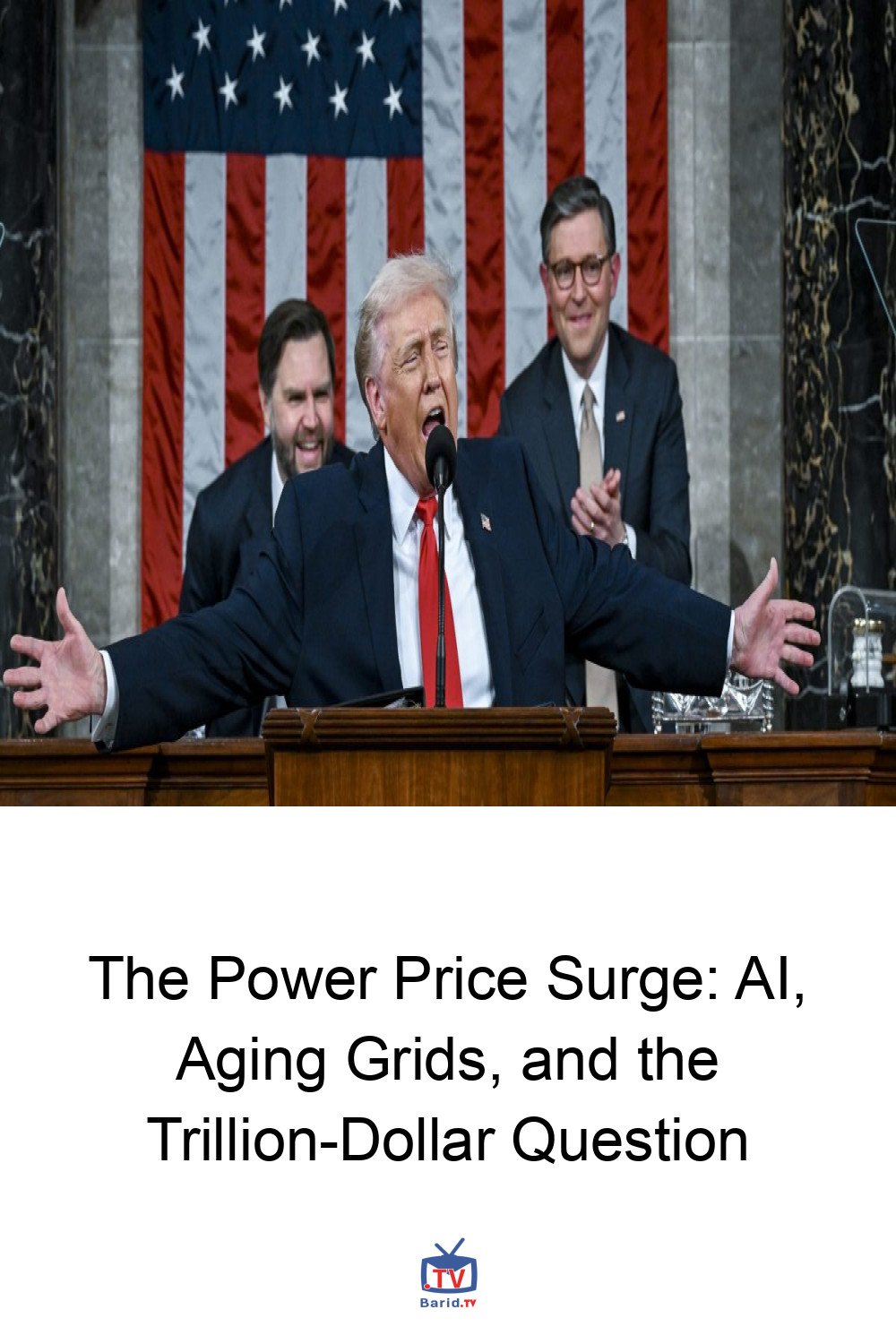
As former President Trump stated, these companies are being told they have an ‘obligation to provide for their own power needs,’ with the promise that this will ‘lower prices of electricity for you.’ Duke Energy CEO Harry Sideris echoed this, asserting that data centers in their service areas ‘are paying their fair share,’ while acknowledging the universal impact of rising bills.
An Aging Infrastructure and Antiquated Models
At the heart of the problem lies the nation’s aging power grid. As Charles Hua, executive director of the non-profit PowerLines, succinctly puts it, “It’s the grid. It’s the local poles and wires. The grid is getting old, and it costs a lot of money to replace or repair.” This critical infrastructure, rather than the debate between renewable and fossil fuels, is the primary cost driver.
Compounding this issue are antiquated utility profit models. These models often financially incentivize utilities to undertake massive capital expenditures – building new power plants, transmission lines, and distribution systems – rather than focusing on efficiencies or adopting new technologies. These costs are then directly passed on to ratepayers.
The argument for such spending is bolstered by projections of surging demand. After decades of relatively flat consumption, U.S. electricity use is expected to jump by at least 50% between 2025 and 2050, inevitably driving prices higher. This forecast is reflected in ambitious plans like Duke Energy’s five-year, $103 billion capital expenditure initiative – the largest ever for a regulated U.S. utility. The Edison Electric Institute, representing investor-owned utilities, estimates its members will invest a staggering $1.1 trillion in capital from 2025 through 2029, building on a record $200 billion spent last year.
“It’s astonishing in terms of the potential impact to consumers’ utility bills,” Hua warns. “Barring major policy action and intervention from both policymakers and regulators, the upward price trajectory of electric prices will continue to rise.”
Climate, Costs, and Closures
Beyond infrastructure and demand, other significant factors are at play. Climate change impacts, rising costs for natural gas and equipment, and the closure of older coal and gas plants all contribute to the upward pressure on utility bills. This confluence of challenges creates a perfect storm for consumers.
Who Holds the Power? A Look at Accountability
The responsibility for these rising costs is distributed among a multitude of stakeholders: utilities themselves, power generators, natural gas producers, hyperscalers, politicians, and state public service commissions. Each plays a pivotal role in either mitigating or exacerbating the current crisis.
The PJM Interconnection region, covering much of the Midwest and Atlantic Coast and home to ‘Data Center Alley’ in states like Virginia and New Jersey, has felt the impact of the AI boom most acutely. Some states within this region, including New Jersey, experienced average electric bill surges of over 20% in 2025 alone, highlighting the localized intensity of the problem.
The Path Forward: Policy, Innovation, and Consumer Impact
The growing scrutiny on utility costs signals a critical juncture. Without decisive policy action and robust regulatory intervention, the trajectory of rising electricity prices appears set. Consumers are rightly concerned, and the issue has moved from the periphery to the forefront of public discourse. Addressing this multifaceted challenge will require a concerted effort from all parties involved, focusing not just on new generation, but on modernizing the grid, incentivizing efficiency, and ensuring equitable cost distribution to protect the financial well-being of millions of Americans.
For more details, visit our website.
Source: Link