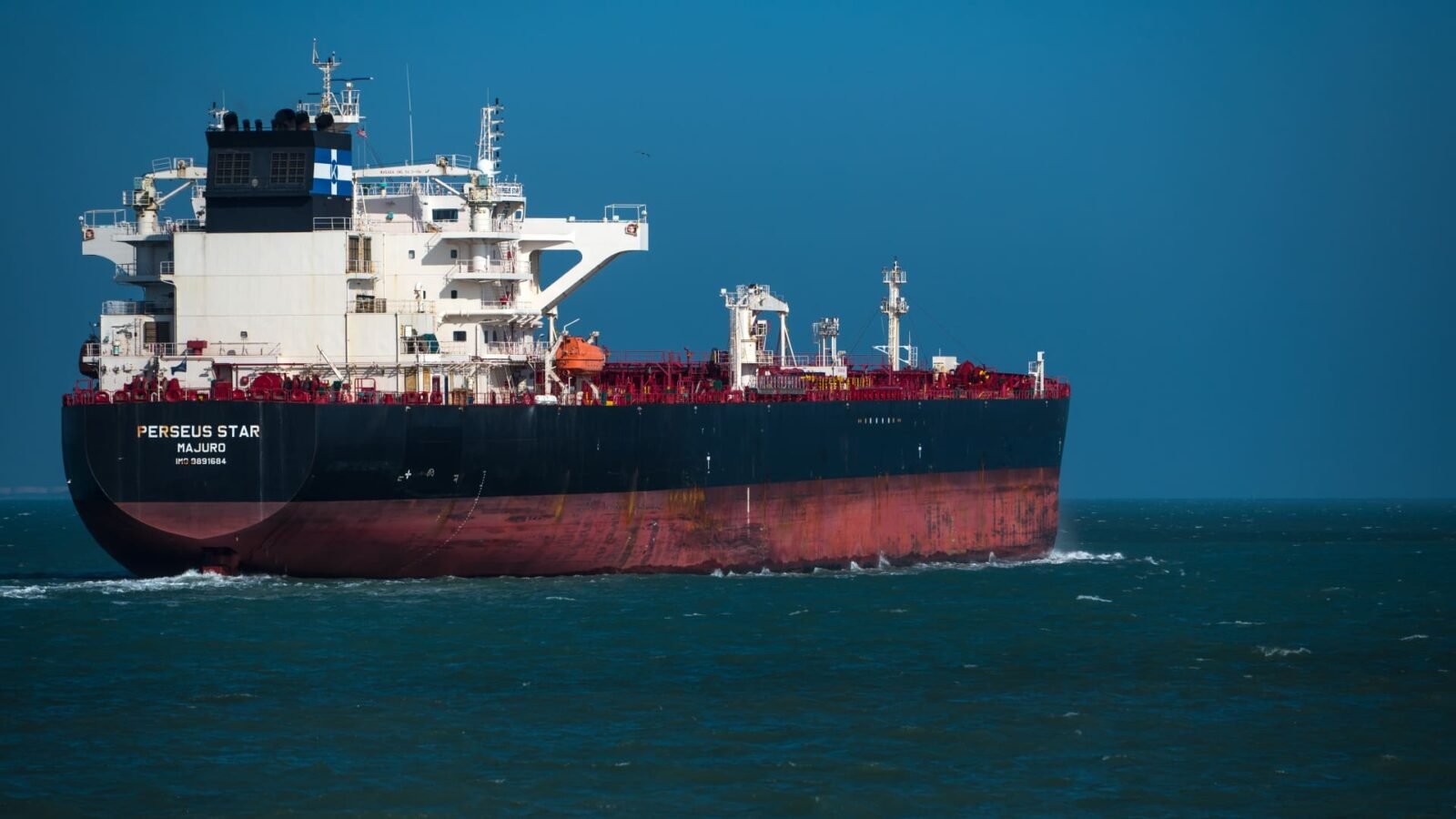

Global oil markets are on high alert, poised for a significant surge in crude prices as geopolitical tensions between the U.S. and Iran reach a critical boiling point. With trading set to resume, analysts widely anticipate U.S. crude oil to breach the $70 per barrel mark, driven by profound fears of a major supply disruption stemming from the escalating conflict.
Geopolitical Storm Brews: Airstrikes and Leadership Vacuum
The latest escalation has seen a massive wave of U.S. and Israeli airstrikes targeting Iran, reportedly resulting in the deaths of Supreme Leader Ayatollah Ali Khamenei and other senior officials. This dramatic turn of events has plunged the Islamic Republic into uncertainty regarding its future leadership and, by extension, its role as a major oil producer within OPEC.
Markets Brace for Impact: Price Projections
The financial world is already reacting to the unfolding crisis. U.S. crude, which closed at $67.02 per barrel on Friday after a 17% year-to-date run-up, is expected to see a sharp increase. Kalshi prediction markets currently place a 79% likelihood on U.S. crude hitting at least $73 per barrel or higher. Brent crude, the international benchmark, closed Friday at $73.21 a barrel, having already climbed 20% this year, and is projected for even more substantial gains.
Expert Forecasts: A Volatile Outlook
- Rystad Energy predicts Brent crude oil futures could spike by an additional $20 when trading opens.
- UBS analysts
, led by Henri Patricot, highlight the pace of traffic rebound through the Strait of Hormuz and the extent of Iranian retaliation as crucial factors for oil prices in the coming days. They suggest a material disruption could send Brent spot prices above $120 per barrel.
- Andy Lipow, president of Lipow Oil Associates, anticipates an initial rise of $3 to $5 per barrel, with a worst-case scenario (Iranian attack on Saudi infrastructure and Strait closure) potentially pushing prices up by $10 to $20, a scenario he assigns a 33% likelihood.
- Barclays analyst Amarpreet Singh warns that Brent could reach $100 per barrel, stating, “How this ends is extremely uncertain at this point but in the meantime oil markets will have to face their worst fears. The potential effect on oil markets is hard to overstate.”
The Strait of Hormuz: A Global Chokepoint Under Threat
At the heart of the supply disruption fears lies the Strait of Hormuz, the world’s most vital chokepoint for global oil trade. Approximately one-third of the world’s seaborne oil exports—over 14 million barrels per day in 2025—pass through this narrow waterway, with about three-quarters destined for major Asian economies like China, India, Japan, and South Korea.
Alarmingly, tanker traffic through the Strait has already ground to a halt as shipping companies implement stringent precautionary measures. Matt Smith, an oil analyst at Kpler, notes, “Tankers are starting to build by the Strait of Hormuz, but nothing seems to be going through at the moment – tankers are definitely spooked.”
Trump’s Stance: De-escalation or Continued Operations?
Amidst the escalating military actions, President Donald Trump stated Sunday that combat operations would persist until all U.S. objectives are met. However, he also hinted at a potential path to de-escalation, revealing that Iran has expressed a desire to talk, to which he has agreed. “They want to talk, and I have agreed to talk, so I will be talking to them,” Trump told The Atlantic. He further informed CNBC that U.S. military operations in Iran are “ahead of schedule.” The dichotomy between continued military action and an openness to dialogue adds another layer of complexity to the already volatile situation, leaving the market to ponder the likelihood of a prolonged disruption versus a swift resolution.
Uncertainty Reigns Supreme
The immediate future of global oil supply and prices hinges precariously on the evolving situation in Iran and the critical flow through the Strait of Hormuz. While the possibility of de-escalation offers a glimmer of hope, the current cessation of tanker traffic and the dire predictions from market analysts underscore the profound uncertainty and potential for sustained volatility in the energy sector.
For more details, visit our website.
Source: Link