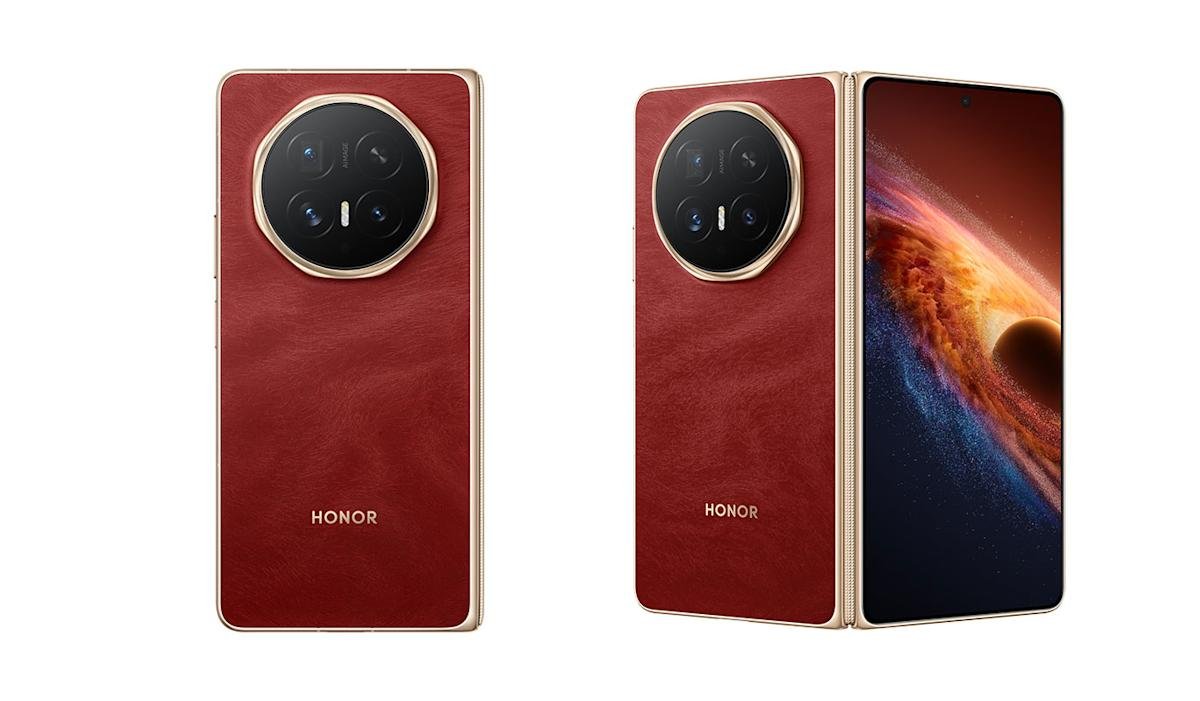

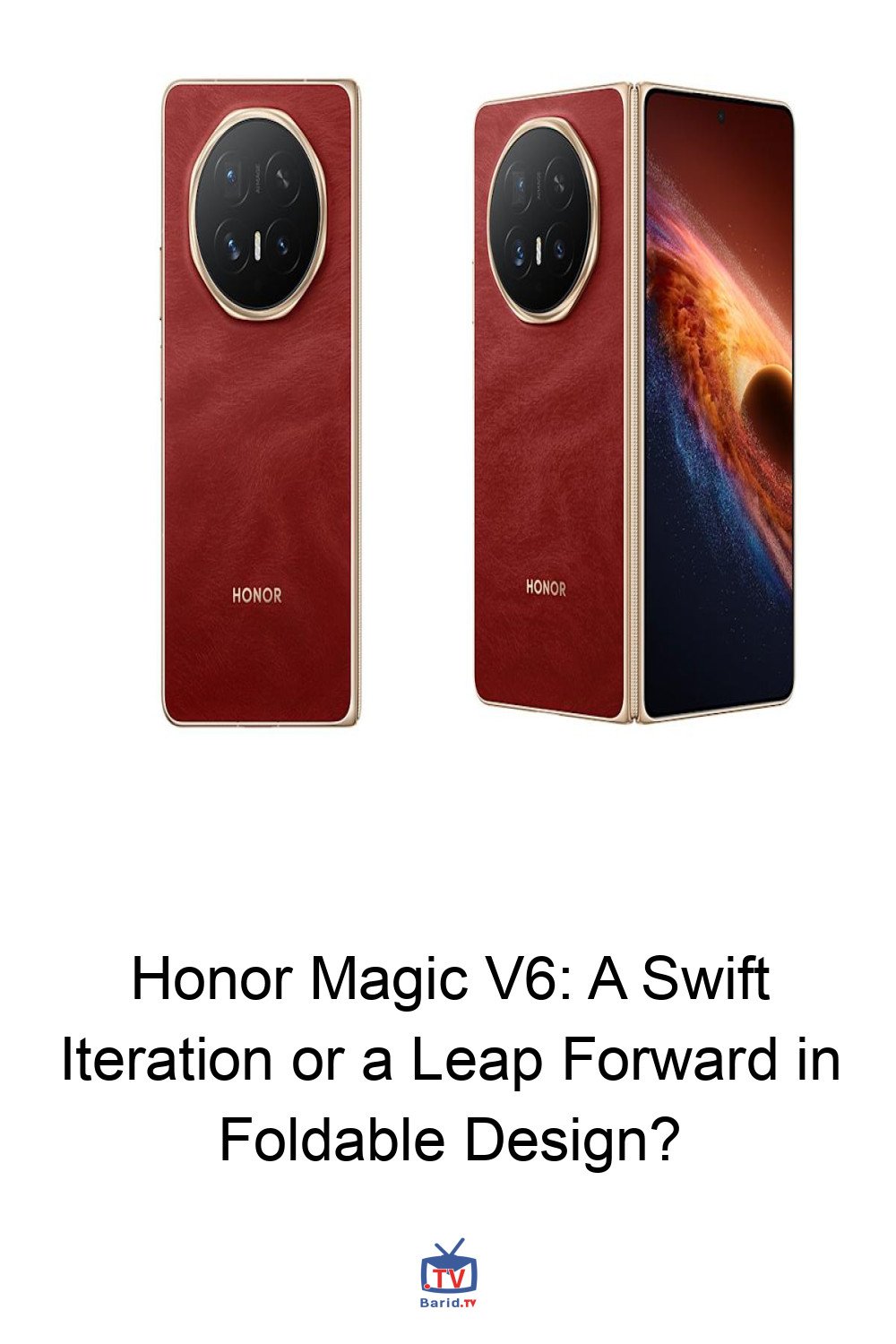
In the fiercely competitive world of foldable smartphones, Honor has made a bold move, launching its Magic V6 just seven months after its predecessor, the Magic V5. This accelerated release cycle hints at a brand in a relentless sprint, aiming to challenge established giants like Samsung and anticipate future contenders like Apple. However, with such a tight turnaround, the question inevitably arises: does the Magic V6 truly innovate, or is it merely a refined iteration?
The Relentless Pursuit of Thinness: A Double-Edged Sword
The most striking — and perhaps contentious — aspect of the Magic V6 is Honor’s continued obsession with achieving the title of the world’s thinnest foldable. While the engineering prowess required to shave off millimeters is undeniable, this pursuit raises questions about practicality and durability.
Millimeter-Thin Margins
Last year, only one variant of the Magic V5 achieved the slimmest profile. This year, Honor continues its selective bragging rights, with the white Magic V6 model boasting an impressive 8.75mm folded and 4.0mm open. The black, gold, and red versions, however, settle for 9mm folded and 4.1mm open – figures that, while still slender, don’t quite hit the headline-grabbing mark. While appreciating the technical achievement, one must ponder if this marginal reduction justifies an entirely new device.
Durability Under Scrutiny
The drive for extreme thinness can often come at the expense of robustness. The Magic V5, at its slimmest, already felt “dainty,” prompting concerns about its ability to withstand the unique mechanical stresses foldables endure. Honor assures users of the V6’s resilience, citing a scratch-resistant display cover, impact-resistant screen, a far stronger hinge, and an IP68/IP69 dust and water resistance rating. These claims will undoubtedly face rigorous testing from reviewers, but the inherent fragility perception of ultra-thin foldables remains a significant consideration.
Beyond thinness, Honor has also meticulously trimmed the V6’s weight. The white model weighs a mere 219 grams, with other colorways at 224 grams. This makes it notably lighter than an iPhone 17 Pro Max (233 grams), a fact Honor was keen to emphasize to the press.
Under the Hood: Subtle Yet Significant Shifts
While external changes might seem incremental, Honor has invested considerable effort into redesigning the V6’s internal architecture.
Engineering for Space
A major overhaul of the internal structure has allowed Honor to shrink numerous components, including the antenna, speaker chamber, vibration motor, NFC module, SIM card slot, and USB-C housing. This meticulous space optimization isn’t just for show; it serves a crucial purpose.
Powering the Future: Battery Innovations
The space salvaged from component miniaturization has been ingeniously filled by a new, larger 6,660mAh battery. This cell boasts 25 percent silicon content, promising extended endurance. Honor claims users can expect a remarkable 24 hours of video playback on the primary display. It’s important to note, however, that this impressive battery is exclusive to the international version. The China-only variant takes power efficiency a step further, featuring a CATL-manufactured battery with 32 percent silicon content and a rated capacity exceeding 7,000mAh – a testament to Honor’s domestic market focus.
Familiar Territory: Cameras, Displays, and Performance
For those hoping for revolutionary advancements in other core areas, the Magic V6 largely treads familiar ground. As the saying goes, “when Alexander saw the breadth of his domain he wept, seeing as he had no more worlds to conquer” – a sentiment that, while perhaps dramatic, captures the essence of incremental upgrades in high-end smartphone components.
A Lens on Consistency
The camera setup remains largely identical to its predecessor. Users will find a dual 50-megapixel lens system complemented by a 64-megapixel telephoto lens. For selfies, both the cover and internal displays house a 20-megapixel f/2.2 lens. While these specifications are certainly capable, they don’t represent a significant leap forward.
Screen Evolution, or Stagnation?
Similarly, display enhancements are modest. The primary screen retains its size and resolution from the V5. The most notable change is a slight trimming of bezels on the cover screen, expanding it from 6.43-inches to 6.52-inches. Beyond this, the display experience largely mirrors that of the previous generation.
Processing Power: Incremental Gains
The Magic V6 does boast a significant upgrade in its processing unit, becoming the first foldable to ship with the Snapdragon 8 Elite Gen 5, paired with 16GB RAM and 512GB storage. While this is an undeniable improvement over the V5’s Snapdragon 8 Elite, it’s unlikely to be “transformative” for most users given the already high performance ceiling of modern flagship chipsets. It feels more like a necessary update to maintain competitive standing rather than a groundbreaking performance leap.
Bridging Ecosystems: A Surprising Alliance
On the software front, much remains consistent, but one intriguing detail emerged during Honor’s briefing: a strong emphasis on interoperability with Apple devices. Through “Honor Connect,” users can link their Magic V6 with iPhones and Macs to share files, extend their desktop, and even control AirPods. This unexpected cross-ecosystem functionality is a clever strategic move, potentially appealing to users who straddle both Android and Apple worlds.
Conclusion: A Calculated Refresh
The Honor Magic V6 is a product of rapid iteration, born from a desire to maintain market leadership in thinness and to keep pace with the relentless march of technology. While it introduces impressive internal engineering, a larger battery, and a cutting-edge processor, many other aspects remain largely unchanged. The device feels less like a revolutionary step and more like a calculated refresh, designed to solidify Honor’s position in the foldable race while perhaps waiting for a truly “new rabbit” to pull out of its hat in future generations. For consumers, the decision will hinge on whether these incremental improvements, particularly the pursuit of thinness, justify an upgrade so soon after its predecessor.
For more details, visit our website.
Source: Link