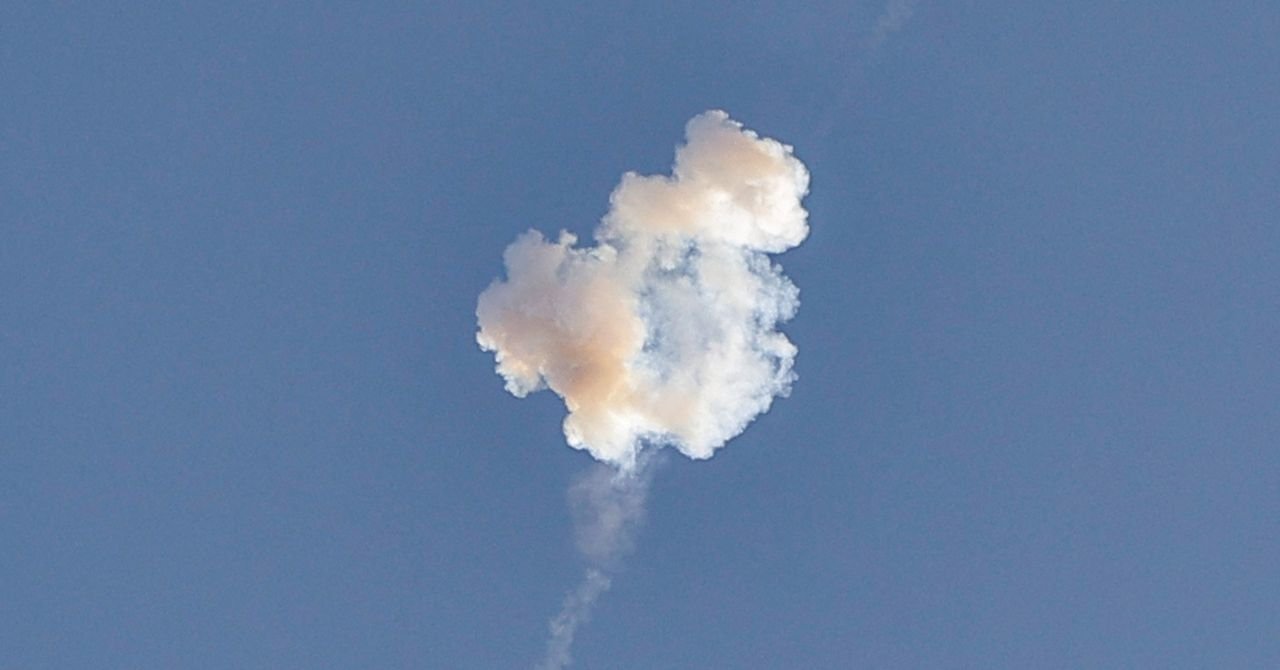

In a dramatic display of advanced military capability, the United Arab Emirates recently demonstrated the formidable strength of its air defense network. Following retaliatory missile strikes from Iran targeting US military bases across the Gulf, the UAE Ministry of Defense confirmed the successful interception of multiple incoming ballistic missiles. While the swift action prevented widespread devastation, debris from one interception tragically claimed the life of a civilian in Abu Dhabi, a city strategically located near vital military installations like Al Dhafra Air Base.
For many residents, the event was marked by distant flashes and muffled explosions in the night sky. Yet, behind those fleeting moments lies a complex, multi-layered system of radars, interceptors, and command centers meticulously designed to detect, track, and neutralize ballistic missiles traveling at hypersonic speeds. Understanding this critical incident requires a closer look at the sophisticated architecture safeguarding the UAE.
The UAE’s High-Tech Missile Shield: A Layered Approach
The UAE’s robust missile defense system is not a single entity but a sophisticated network comprising several layers, each designed to engage threats at different altitudes and phases of flight. Key components include the high-altitude Terminal High Altitude Area Defense (THAAD) system and the lower-altitude MIM-104 Patriot system.
THAAD: The High-Altitude Kinetic Interceptor
Developed by Lockheed Martin, THAAD stands as a cornerstone of the UAE’s defense. It is specifically engineered to intercept ballistic missiles during their terminal phase—the critical moments when they descend towards their targets. Unlike conventional air defense missiles that rely on proximity fuzes to detonate near a threat, THAAD interceptors employ a “hit-to-kill” mechanism. This means they physically collide with incoming missiles at incredibly high speeds, obliterating them through sheer kinetic energy.
The UAE holds the distinction of being the first nation outside the United States to deploy THAAD, having integrated the system into its defense capabilities in January 2022, following its acquisition in 2015 as part of a multi-billion-dollar defense agreement.
Patriot: The Lower-Altitude Guardian
Complementing THAAD, the MIM-104 Patriot system provides another crucial layer of defense. Designed for lower-altitude engagements, Patriot is capable of intercepting both aircraft and ballistic missiles, offering a versatile protective shield closer to the ground.
Together, THAAD and Patriot form what defense strategists refer to as a layered missile-defense architecture. This strategic design ensures multiple opportunities to intercept an incoming threat, significantly increasing the chances of successful neutralization before it can reach its intended target.
The Anatomy of an Interception: Seconds That Save Lives
A successful missile interception is a marvel of synchronized technology, unfolding in a matter of seconds:
Detection:
Early-warning sensors and advanced radar systems, such as the AN/TPY-2 (a high-frequency X-band radar capable of tracking small, fast-moving objects over vast distances), detect a missile launch. They immediately begin tracking its speed and calculating its projected flight path.
Tracking and Command:
This critical data is instantly relayed to sophisticated command-and-control networks. These systems rapidly analyze the threat, determining if the missile poses a danger to populated areas or critical infrastructure, and pinpoint the optimal interception point.
Interception:
High-altitude interceptors like THAAD are launched to engage the missile in the upper atmosphere. Should this initial attempt be unsuccessful or if the threat persists, lower-altitude systems such as Patriot provide a secondary interception opportunity, ensuring maximum protection.
The AN/TPY-2 radar, for instance, can detect and track ballistic missiles hundreds of kilometers away, following objects traveling at hypersonic speeds and transmitting real-time data to command centers. Once a launch is confirmed, defense systems precisely calculate the missile’s trajectory, allowing interceptors to be launched to meet it at an exact point in space.
The Immense Challenge of Ballistic Missile Defense
Intercepting ballistic missiles is an extraordinarily difficult feat due to their extreme velocity. Some of these projectiles can reach speeds exceeding 20,000 kilometers per hour, meaning they could traverse the entire UAE in mere minutes. This narrow window of time—often just a few minutes—demands instantaneous detection, precise tracking, and rapid interception before the missile descends to its target.
To overcome these challenges, missile defense systems rely on the seamless integration of multiple technologies: early-warning sensors for immediate launch detection, sophisticated radar networks for continuous threat tracking, and highly advanced interceptor missiles designed for mid-flight destruction.
A Region Under Pressure: The Drive for Defense
The proliferation of missile defense systems across the Gulf region is a direct response to the significant development of ballistic missile arsenals, particularly by Iran, which is widely recognized as possessing one of the largest inventories in the Middle East. For over a decade, Gulf nations have heavily invested in radar systems, interceptors, and command networks to safeguard their critical infrastructure, major cities, and military facilities. The UAE, hosting vital installations like Al Dhafra Air Base, which houses both Emirati and US forces, stands as a prime example of this strategic imperative.
Even when a missile is successfully intercepted, the risk of collateral damage from falling debris remains, as tragically demonstrated in Abu Dhabi. This underscores the ongoing complexities and inherent dangers in an era of advanced missile warfare, making the UAE’s defensive capabilities all the more critical for regional stability and national security.
For more details, visit our website.
Source: Link