
The Unprecedented Rise of Geopolitical Prediction Markets
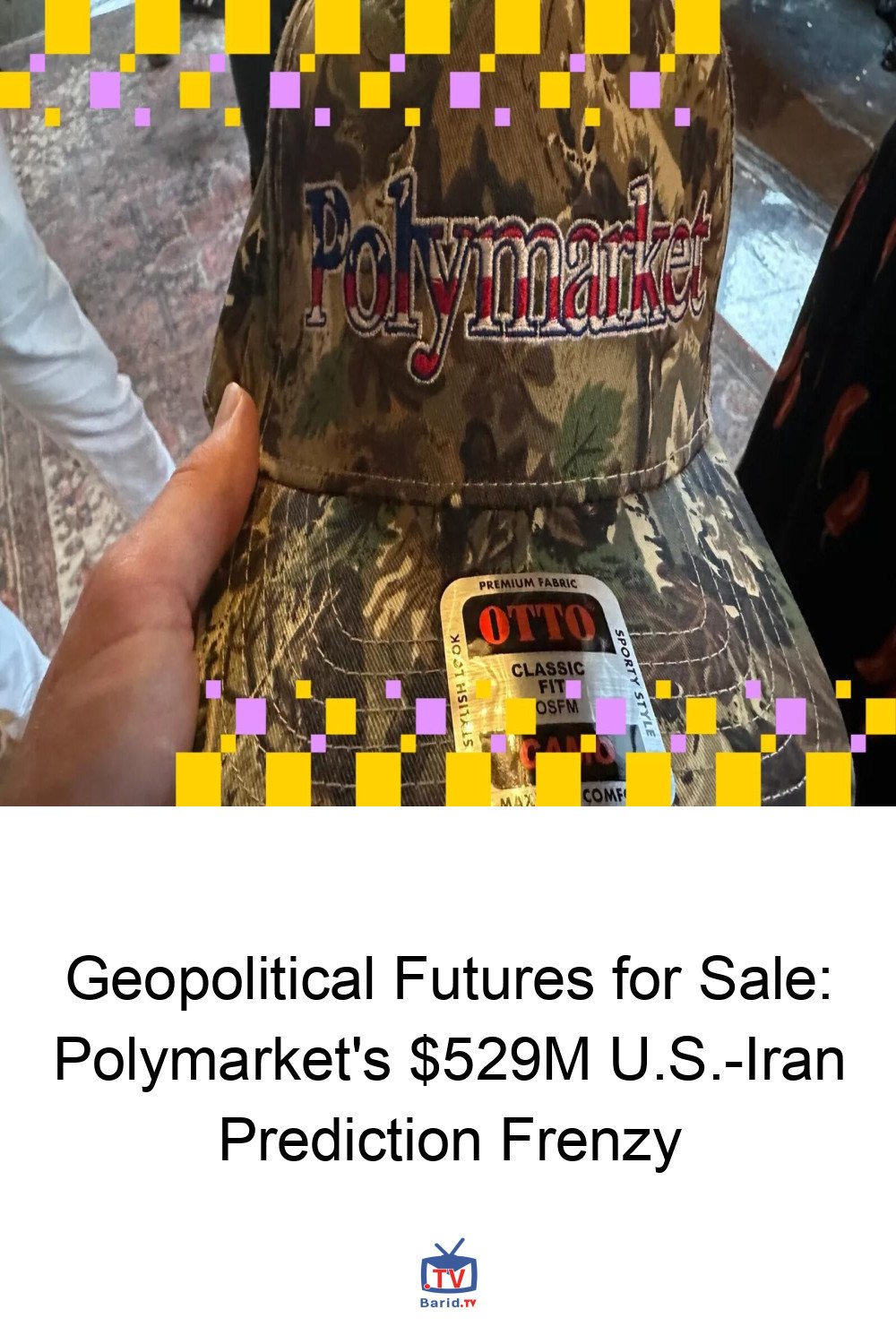
In an era where global events unfold with dizzying speed, a new frontier in financial speculation has emerged: prediction markets. Polymarket, a decentralized platform, has rapidly transformed into an unlikely barometer for geopolitical tensions, particularly concerning the U.S.-Iran conflict. With an astonishing half-billion dollars wagered on the future of this volatile region, the platform is not merely reflecting global anxieties; it’s actively pricing them, often with startling precision.
A Half-Billion Dollar Bet on Conflict
The scale of engagement on Polymarket is unprecedented. A contract speculating on whether the U.S. would launch strikes against Iran has alone amassed a staggering $529 million in trading volume, positioning it among the platform’s most significant contracts ever, rivaling even high-stakes presidential election bets. This market, live since December 22, became a focal point for global attention, culminating in a definitive “yes” resolution after U.S. and Israeli forces launched strikes on Iran.
Key Contracts and Their Outcomes
- The Khamenei Succession: One of Polymarket’s largest completed markets, “Khamenei out as Supreme Leader of Iran by March 31?”, resolved to 100% following confirmation of his death. This contract alone saw $45 million in volume, with a top trader netting an impressive $757,000.
- U.S. Strikes on Iran: The “US strikes Iran by…?” market, with its colossal $529 million volume, saw intense activity around the February 28 date, which alone attracted $89.6 million. The precise resolution rules, requiring drone, missile, or air strikes on Iranian soil by U.S. forces, underscored the market’s granular nature.
The Shadow of Insider Trading
While Polymarket champions its markets as a source of real-time geopolitical insight, the platform has not been without controversy. Onchain analytics firm Bubblemaps identified six wallets that collectively profited $1.2 million by accurately betting on a February 28 U.S. strike on Iran. These wallets were reportedly funded within 24 hours of the attack and placed specific “yes” bets hours before military operations commenced, raising serious questions about potential insider trading and the ethical implications of profiting from foreknowledge of conflict.
Beyond the Initial Strikes: Betting on What’s Next
With the initial strikes now a resolved chapter, traders have pivoted to the future, dissecting potential outcomes with remarkable granularity. The markets are now forecasting the next phases of the conflict:
Future Scenarios Being Priced:
- Ceasefire Prospects: A U.S.-Iran ceasefire by March 2 was priced at a mere 4%, jumping to 15% by March 6. However, the probability significantly increases to 61% by March 31 and 78% by April 30, suggesting bettors anticipate a resolution within weeks, aligning with broader market sentiment, including Bitcoin’s recent rally.
Iranian Regime Stability:
The question “Will the Iranian regime fall by June 30?” currently sits at 54%, a sharp increase from previous months. Intriguingly, the “Next Supreme Leader of Iran” market assigns a 30% chance to the “position abolished” outcome, indicating a significant belief that the theocratic structure itself might not endure.- U.S. Ground Involvement: Even the highly sensitive prospect of U.S. ground forces entering Iran is being actively traded. “Will the U.S. invade Iran before 2027?” trades at 19% with $207,000 in volume, while “US forces enter Iran by March 7” saw $2 million traded at 28%.
The Power of Decentralized Prediction
Polymarket’s rapid response and specific market offerings highlight a fundamental difference from traditional financial markets. While equity and oil futures adhere to strict trading hours, Polymarket operates 24/7, allowing anyone with a crypto wallet to take a position on complex geopolitical events and receive real-time pricing. This accessibility and immediacy offer a unique, albeit controversial, lens through which to view global developments, providing insights that traditional structures are legally and structurally unable to replicate.
The platform’s ability to quickly create and resolve markets on unfolding crises, coupled with its substantial trading volumes, underscores its growing influence. However, the allegations of insider trading serve as a stark reminder of the ethical challenges inherent in monetizing geopolitical uncertainty, urging a closer look at the mechanisms and oversight within these burgeoning decentralized prediction ecosystems.
For more details, visit our website.
Source: Link