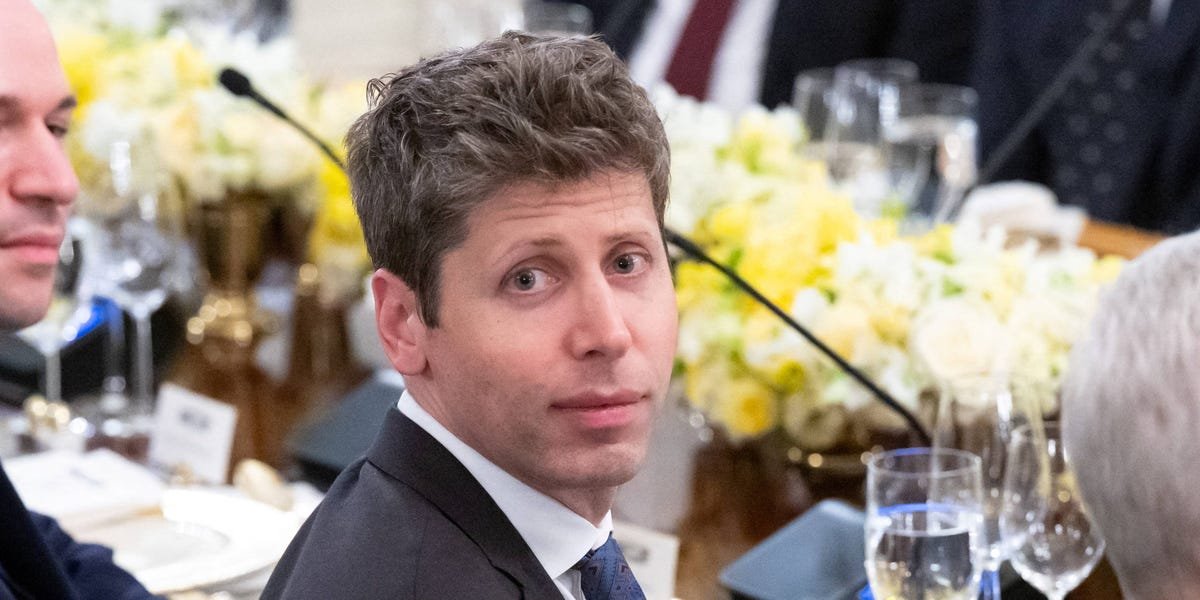

Sam Altman, the visionary CEO of OpenAI, recently engaged in a revealing Saturday night Ask Me Anything (AMA) session, primarily addressing the company’s contentious partnership with the Pentagon. This collaboration has ignited considerable debate, prompting critical discussions at the nexus of advanced artificial intelligence and national security. Below are five pivotal insights gleaned from Altman’s extensive dialogue, offering a clearer perspective on OpenAI’s strategic direction and its ethical considerations.
1. The Rationale: National Security and Responsible AI Deployment
Altman underscored that OpenAI’s engagement with the U.S. Department of Defense is firmly rooted in a commitment to national security and ensuring that powerful AI tools are developed and deployed with utmost responsibility. He articulated a vision where American innovation in AI could serve as a crucial deterrent against adversarial misuse, emphasizing the imperative of democratic values guiding AI’s evolution. The partnership, he suggested, is a proactive measure to shape the future of AI in defense rather than merely reacting to its inevitable integration into military operations.
2. Strict Ethical Guardrails: Defensive Use Only
A cornerstone of the AMA was the stringent ethical framework OpenAI intends to uphold. Altman reiterated that the collaboration is strictly limited to defensive applications, explicitly ruling out the development of autonomous weapons or offensive systems. He highlighted the company’s existing policies against military applications that cause harm, asserting that any work with the Pentagon would rigorously adhere to these principles, focusing on areas such as cybersecurity, predictive maintenance, and administrative efficiency.
3. Navigating Public Perception and OpenAI’s Mission
The Pentagon deal has undeniably challenged OpenAI’s public image as a purely benevolent AI research entity. Altman acknowledged these concerns, stating that transparency and open dialogue are paramount to bridging the gap between public perception and the company’s strategic intent. He argued that engaging with governments, even on sensitive matters, is essential for ensuring AI’s benefits are broadly distributed and its risks are managed globally, thereby aligning with OpenAI’s overarching mission to ensure artificial general intelligence benefits all of humanity.
4. Broader Implications for AI and Government Collaboration
This partnership sets a significant precedent for how leading AI firms might interact with national defense sectors worldwide. Altman hinted at the necessity for more robust frameworks and public-private partnerships to navigate the complexities of AI governance. He posited that avoiding engagement would not prevent the military from developing AI, but rather ensure it happens without the ethical input and safety considerations that OpenAI is committed to providing.
5. Altman’s Vision: AI as a Tool for Global Stability
Beyond the immediate deal, Altman shared a broader vision where AI could ultimately contribute to global stability by enhancing intelligence, improving decision-making, and fostering better understanding across nations. He believes that by working with responsible actors, OpenAI can help steer AI development towards outcomes that reduce conflict and improve human well-being, even within the sensitive domain of national security.
In conclusion, Sam Altman’s AMA offered a crucial window into OpenAI’s controversial Pentagon deal, underscoring the company’s dual commitment to technological advancement and ethical responsibility. While the partnership remains a subject of intense scrutiny, Altman’s explanations aimed to reassure stakeholders that OpenAI is approaching this complex frontier with careful consideration for both innovation and impact.
For more details, visit our website.
Source: Link