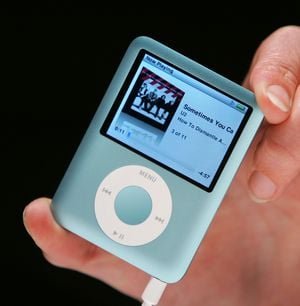

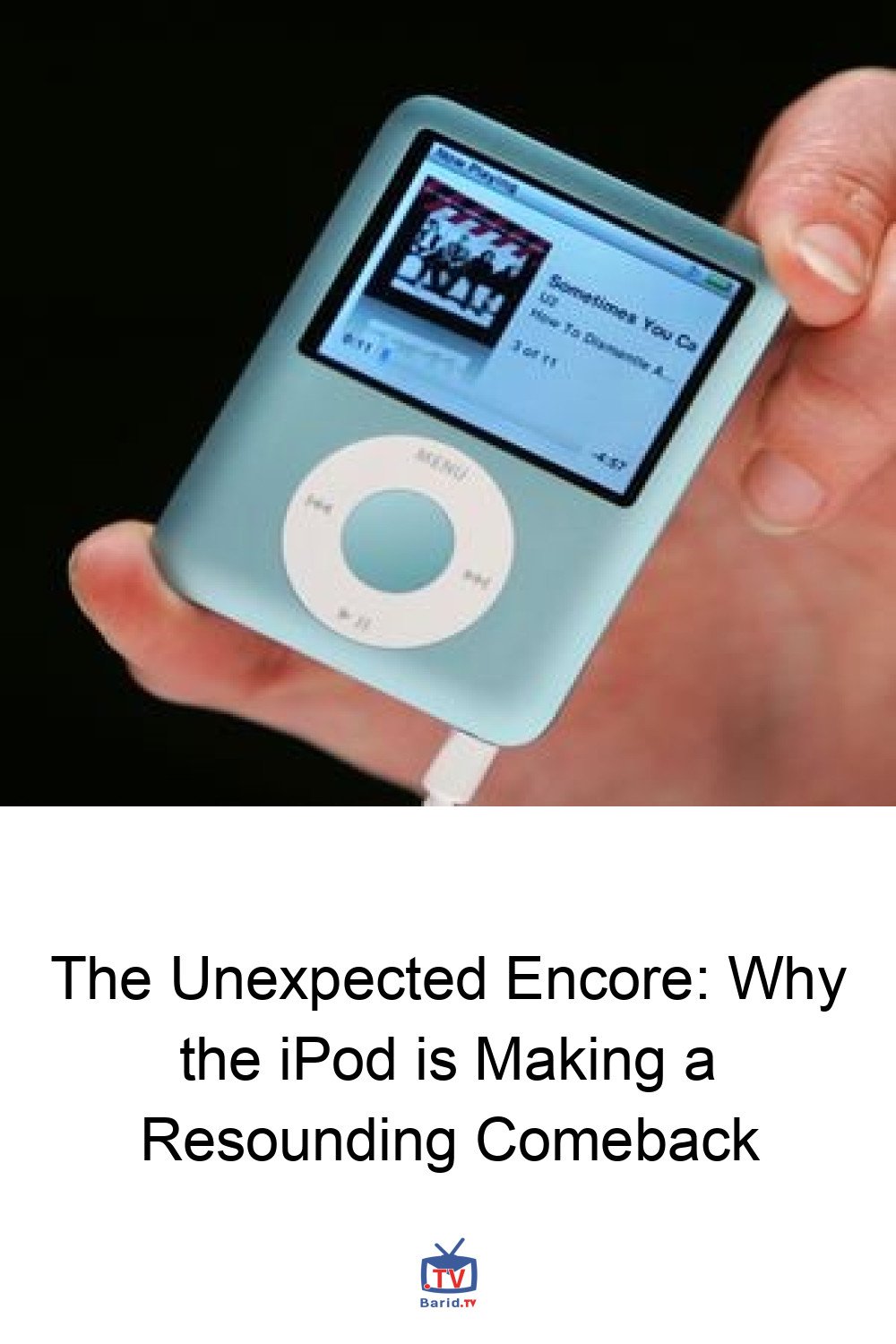
In an era dominated by omnipresent smartphones and an endless stream of digital distractions, a surprising icon is staging an unexpected comeback: the Apple iPod. Officially discontinued in 2022, this beloved music device is experiencing a vibrant renaissance, particularly among younger generations craving a simpler, more intentional digital experience. Far from mere nostalgia, this resurgence is a powerful cultural signal, reflecting a broader shift in how we engage with technology and consume media.
The numbers speak for themselves. Google Trends data indicates a notable rise in searches for “iPod” and “iPod Nano” (even projecting into 2025, suggesting sustained interest), while Back Market reports an impressive average annual sales increase of 15.6% for refurbished iPods over the past two years. Even Tony Fadell, affectionately known as the “Father of the iPod,” believes the device deserves an encore, suggesting smarter ways to integrate its essence into modern tech. But what truly fuels this unexpected revival?
Beyond Nostalgia: Three Pillars of the iPod’s Resurgence
1. The Allure of Digital Unplugging and Conscious Consumption
In a world saturated with notifications and constant connectivity, digital product fatigue is a palpable phenomenon. The iPod offers a sanctuary from this overwhelm. Liam James Ward, CEO and co-founder of content strategy studio Something Something, encapsulates this perfectly: “I use a dumb phone on weekends and bought the iPod specifically so I could still access music while stepping away from everything else the smartphone demands of me.”
This isn’t just about escaping distractions; it’s about conscious consumption. Ward argues that the sheer abundance of music available through streaming has, paradoxically, diminished its perceived value. The iPod, much like the vinyl record boom, reintroduces intentionality. As Universal Music CEO Lucian Grainge observed regarding vinyl, over 50% of records sold are never unwrapped. This highlights a desire for a physical manifestation of something deeply cherished. The iPod taps into this same impulse, transforming music from background noise into a deliberate act of engagement.
2. A Redefined Relationship with Technology for Younger Generations
For Gen Z and younger Millennials, the iPod isn’t a relic; it’s a revolutionary tool. Theresa Bertrand, head of strategy and planning U.S. at Zeno, a strategic communications company, points out a crucial differentiator: the iPod doesn’t attempt to optimize or track its users. “The iPod turns music back into an intentional act instead of background noise in an otherwise always-on system,” Bertrand explains. In an moment where every screen is a portal to work, news, and distraction, younger individuals are actively seeking out smaller, more focused digital spaces.
This trend signifies a desire for control and agency over one’s digital life, rather than mere nostalgia. Bertrand notes a broader pattern of people narrowing their trust and intentionally introducing “friction” to maintain functionality. For these generations, the iPod represents a technology that serves them, rather than shapes them. It’s a quiet rebellion against the pervasive notion that every moment must be optimized, shared, or monetized.
3. The Power of Purposeful Offline Engagement
Structurally, an iPod offers precisely what digitally distressed consumers are actively seeking. “A dedicated music player is a simple and intentional tool,” states Daniel, an observation that cuts to the heart of the iPod’s appeal. In a landscape where devices are designed to be all-encompassing, the iPod stands apart by doing one thing exceptionally well: playing music, without the incessant pull of social media, emails, or news feeds. This singular focus allows for a deeper, uninterrupted connection with the audio experience, fostering a sense of calm and presence that is increasingly rare in our hyper-connected world. It represents a conscious choice to disengage, even temporarily, from the digital cacophony and reclaim personal space for pure enjoyment.
The iPod’s comeback isn’t just a fleeting trend; it’s a testament to a growing desire for balance and intentionality in our digital lives. As younger generations redefine their relationship with technology, the humble music player emerges as a powerful symbol of control, focus, and the enduring joy of simply listening.
For more details, visit our website.
Source: Link