
As geopolitical tensions in the Middle East once again reach a fever pitch, the digital asset community, particularly on platforms like X (formerly Twitter), has been gripped by a palpable anxiety. The central concern? The potential closure of the Strait of Hormuz by Iran, a move many fear could send global oil prices skyrocketing and trigger an inflation shock that would reverberate across financial markets, including the volatile world of cryptocurrencies.
However, a closer examination of the situation, supported by expert analysis, suggests that these fears, while understandable, might be significantly overblown. While an all-out regional conflict certainly carries grave risks for global markets, the specific threat of a complete and sustained closure of the Strait of Hormuz appears to be far less likely than popular sentiment suggests.
The Genesis of Crypto’s Hormuz Hysteria
The recent surge in market jitters follows a dramatic escalation of hostilities. Early Saturday saw Israel and the U.S. reportedly launch airstrikes on Iranian nuclear facilities and missile capabilities, prompting swift retaliation from Tehran with ballistic missile attacks on Israeli and U.S. bases. This rapid exchange ignited fears of a full-blown military confrontation.
For the crypto market, which operates 24/7, these weekend developments provided an immediate outlet for investor anxiety. Bitcoin (BTC), the world’s leading cryptocurrency, saw its value dip from approximately $65,600 to $63,000 before a partial recovery to $65,000. Concurrently, oil-linked futures on platforms like Hyperliquid surged over 5%, reflecting the market’s knee-jerk reaction to potential supply disruptions.
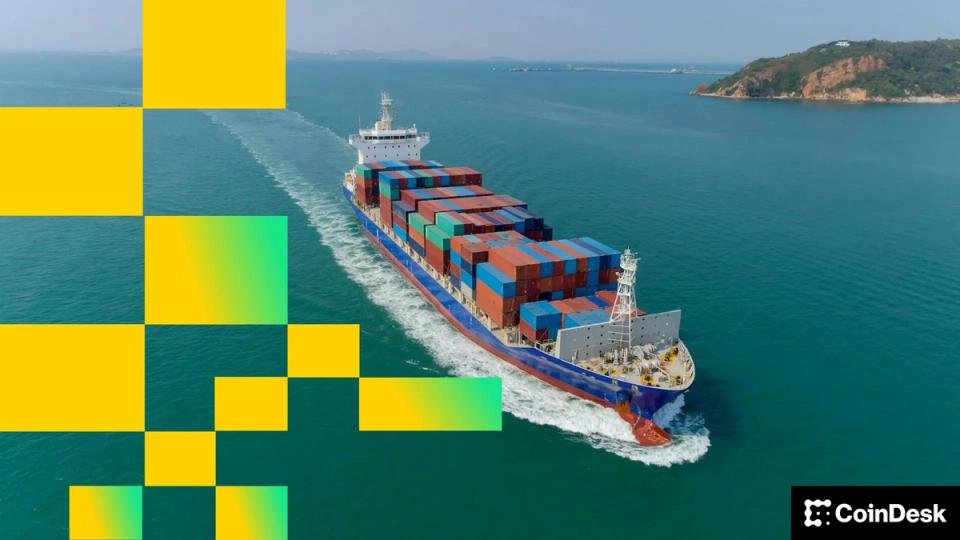
The Strait of Hormuz, a critical maritime chokepoint just 21 miles wide at its narrowest, lies between Iran and Oman. In 2024, it facilitated the passage of an estimated 20 million barrels of oil daily, accounting for roughly 20% of global oil shipments. Naturally, the prospect of this vital artery being severed has fueled widespread alarm among crypto commentators.
One prominent X account, @Crypto_Diet, articulated these concerns, stating, “If a direct conflict between the United States and Iran has begun, this isn’t just geopolitics. It’s a global economic event. If the Strait of Hormuz is threatened, oil could spike toward $120–$150.” Such a scenario, the post warned, could unleash an inflation shock, widespread market sell-offs, a surging dollar, and depreciation in emerging-market currencies. Geopolitical Strategist Velina Tchakarova echoed these sentiments, noting that oil prices had already reached six-month highs prior to the strikes, directly implicating the Strait.
Debunking the Doomsday Scenario: Why Closure is Unlikely
Despite the widespread apprehension, several experts contend that an outright, sustained closure of the Strait of Hormuz is both strategically disadvantageous for Iran and geographically challenging, if not impossible.
Economic Self-Sabotage
Dr. Daniel Lacalle, a distinguished economist and chief economist at Tressis, highlights Iran’s economic realities. Iran currently produces 3.3 million barrels of oil per day, but exports only half of that, with the vast majority destined for its ally, China. “It would shoot itself in the foot,” Lacalle asserts, suggesting that blocking the Strait would primarily harm Iran’s own economic interests and its key trading relationships.
Furthermore, Lacalle points out that any potential disruption to Iranian oil supplies could be swiftly mitigated by other major producers. OPEC members possess the capacity to increase output, and the United States stands as the world’s largest oil producer, capable of influencing global supply dynamics. This collective capacity suggests that any oil price spike resulting from a partial disruption would likely be limited in magnitude and temporary in duration.
The Geographic Impossibility
Beyond economic considerations, the physical geography of the Strait itself presents significant hurdles to a complete closure. While the Strait is roughly divided between Iranian and Omani territorial waters, the crucial deep-water shipping lanes are predominantly located within Omani territory. The Iranian side is characterized by shallower waters, less suitable for the passage of large oil tankers.
Energy Market Expert Dr. Anas Alhajji underscored this point on X, stating, “Most waterways are in Oman, not Iran.” He further emphasized the historical precedent: “Hormuz strait has never been blocked despite all wars – It cannot be blocked. Too wide. Well protected.” This suggests that even if Iran were to attempt to close its own territorial waters, the essential shipping routes could largely remain open through Omani control.
The Broader Market Picture
While the immediate threat of a complete Strait of Hormuz closure appears exaggerated, it is crucial to acknowledge that the broader geopolitical instability in the Middle East remains a significant concern. An all-out war, irrespective of the Strait’s status, could trigger widespread risk aversion across global financial markets. Such a scenario could indeed pressure cryptocurrencies like Bitcoin, potentially driving its price below critical support levels, such as the widely watched $60,000 mark.
In conclusion, while the crypto community’s rapid reaction to Middle East tensions is a testament to the market’s sensitivity, the specific fear surrounding Iran’s ability to choke off global oil supplies via the Strait of Hormuz may be founded on an incomplete understanding of economic and geographic realities. Investors should remain vigilant, but perhaps temper their immediate anxieties regarding this particular chokepoint, while staying attuned to the broader implications of regional conflict.
For more details, visit our website.
Source: Link