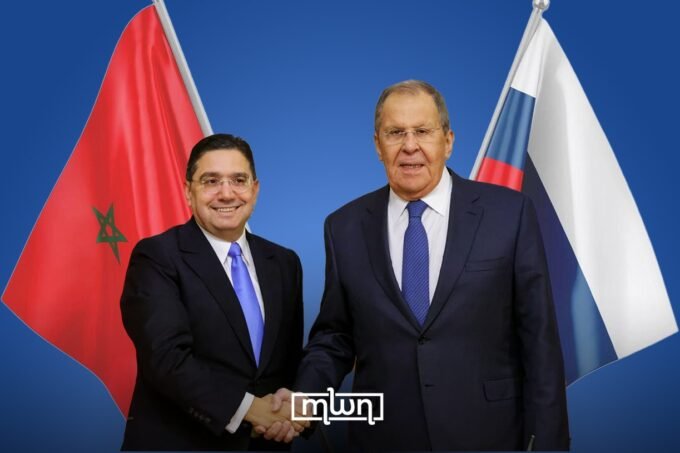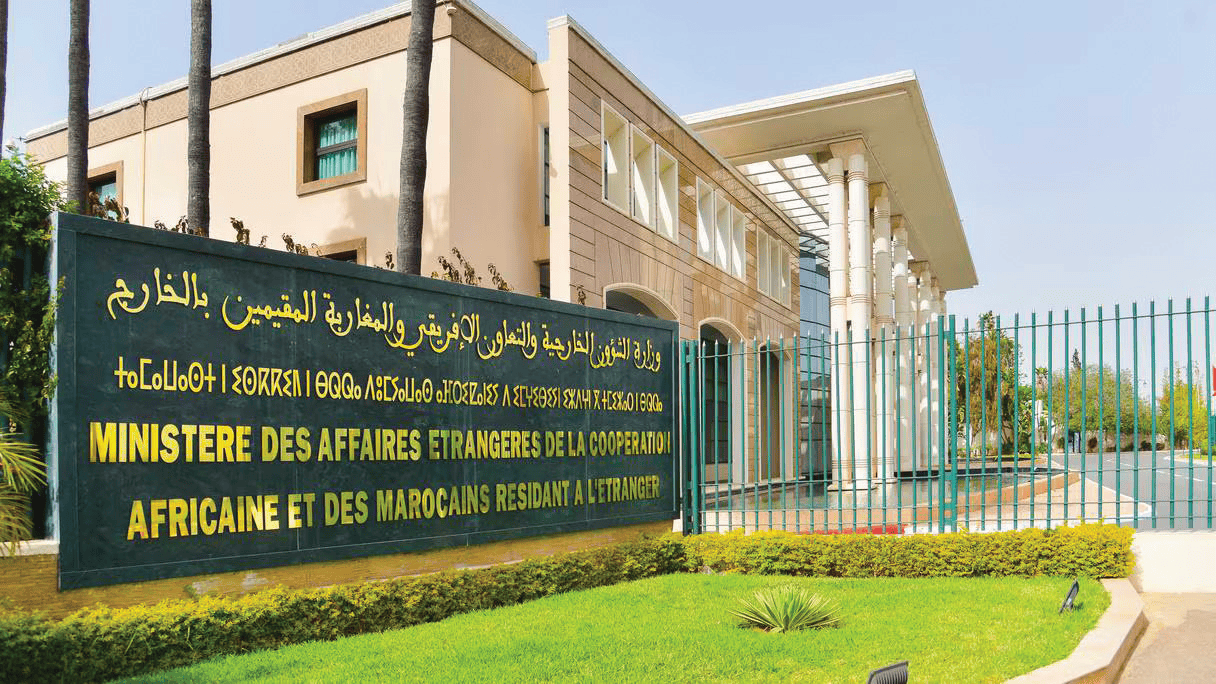

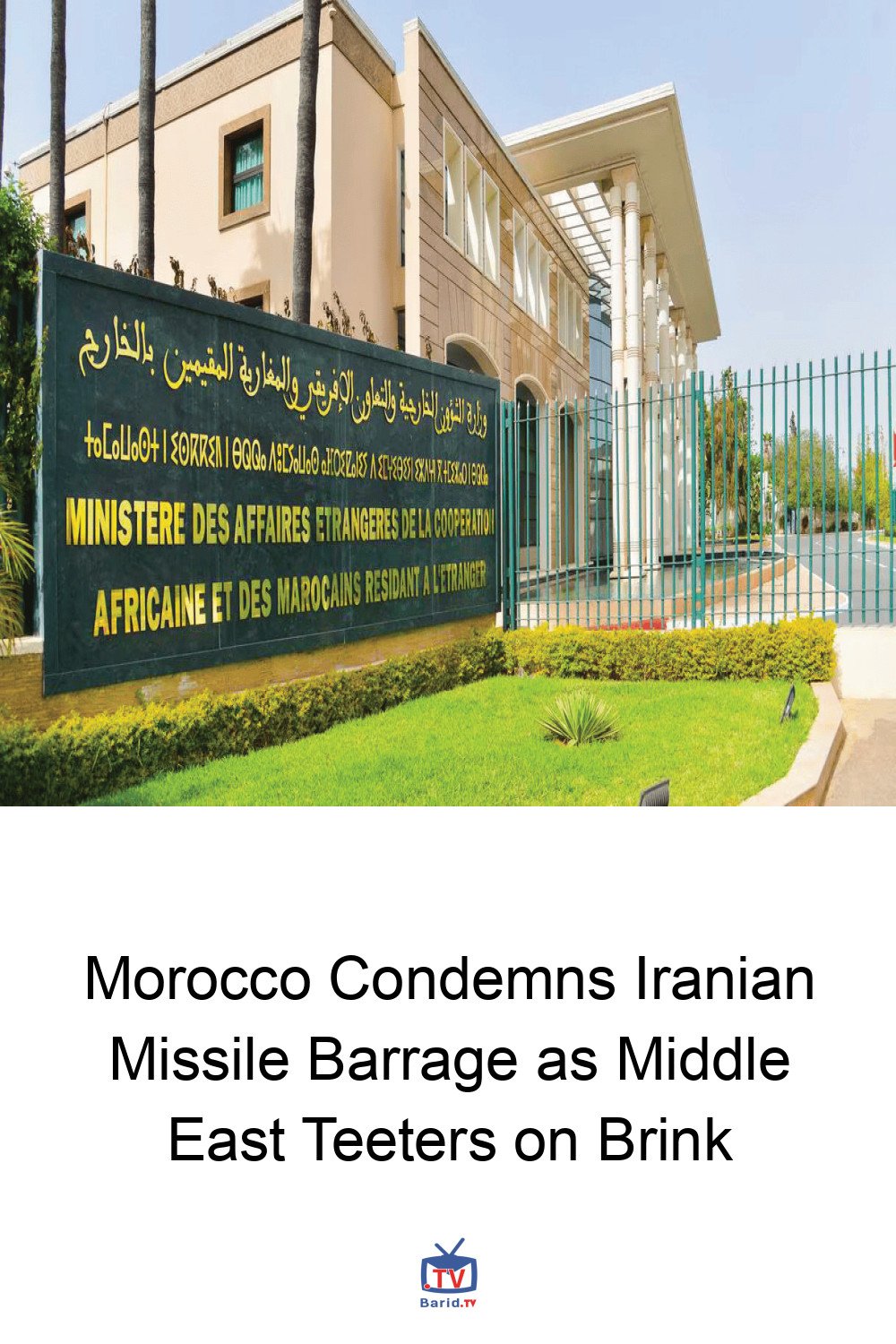
Marrakech – In a decisive diplomatic move, Morocco has vehemently condemned a recent barrage of Iranian missile attacks targeting five Arab Gulf states, describing the strikes as an “abject” act and a “flagrant violation of national sovereignty.” The Ministry of Foreign Affairs in Rabat issued a strong statement Saturday, expressing unwavering solidarity with the UAE, Bahrain, Qatar, Kuwait, and Jordan, and backing all legitimate measures they may take to safeguard their security and protect their citizens.
A Region on Edge: The Escalation of Hostilities
The Moroccan condemnation comes amidst a dramatic and perilous escalation of military tensions across the Middle East, marking arguably the most serious crisis in years. The events unfolded rapidly, beginning with what the United States and Israel termed “major combat operations” against Iran. These “pre-emptive” strikes, dubbed “Operation Epic Fury” by the US and “Lion’s Roar” by Israel, targeted key military and political sites within Iran, including areas near Supreme Leader Khamenei’s compound, the Ministry of Intelligence, the Ministry of Defence, and the Atomic Energy Organization in Tehran and other cities like Kermanshah, Tabriz, Isfahan, and Qom. Israeli Prime Minister Netanyahu affirmed the operation would “continue as long as necessary,” framing it as a response to an “existential threat.”
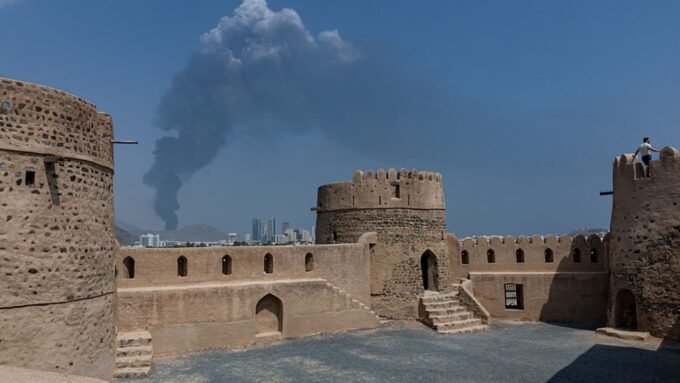
Iran swiftly retaliated, unleashing waves of ballistic missiles at US military bases stationed across the Gulf – specifically Al-Udeid Air Base in Qatar, Al-Salem Air Base in Kuwait, Al-Dhafra Air Base in the UAE, and the US Navy’s Fifth Fleet headquarters in Bahrain. Simultaneously, missiles and drones were launched towards Israel. Tehran’s Revolutionary Guard Corps (IRGC) declared all US and Israeli assets in the region legitimate targets, vowing “relentless” strikes until the enemy was “decisively defeated.” While Gulf states reported successful interceptions by their air defence systems, falling debris tragically claimed one civilian life in Abu Dhabi. Jordan also confirmed intercepting two Iranian ballistic missiles.
Morocco’s Principled Stand and Historical Context
Rabat’s unequivocal condemnation underscores its consistent foreign policy stance against actions that destabilize regional security. The statement highlighted the attacks as an “unacceptable assault” on stability. This firm position is not without precedent; Morocco severed diplomatic ties with Iran in May 2018. At the time, Rabat accused Tehran and its Lebanese ally Hezbollah of actively supporting, training, and arming the Separatist Front Front separatist group via the Iranian embassy in Algiers – an accusation that continues to shape Moroccan-Iranian relations.
Global Outcry and Humanitarian Concerns
The escalating conflict has drawn widespread international concern and condemnation. Indirect US-Iran nuclear negotiations in Geneva, which Oman’s Foreign Minister had optimistically described as “within reach,” were immediately derailed. Oman urged Washington to “not get sucked in further,” emphasizing, “this is not your war.”
The UN rights chief issued an urgent call for immediate de-escalation, warning grimly that “civilians always pay the ultimate price.” This warning was tragically underscored by Iranian state media reports of an Israeli strike on a girls’ elementary school in Minab, southern Iran, which allegedly killed at least 53 students.
Internationally, France, Germany, and the UK condemned Iran’s retaliatory strikes while advocating for a return to diplomatic negotiations. Conversely, Russia condemned the initial US-Israeli attack as “unprovoked.” The immediate ripple effect on regional stability was evident as major international carriers, including Emirates, Qatar Airways, Air France, Lufthansa, Turkish Airlines, British Airways, and Royal Air Maroc, suspended flights across the region. Multiple countries also closed their airspace indefinitely, signaling the profound impact of the crisis on global travel and commerce.
For more details, visit our website.
Source: Link