
Middle East Erupts as US-Israel Launch Coordinated Strikes on Iran
The Middle East has been plunged into a new phase of intense conflict following a series of major military operations. The United States, in coordination with Israel, initiated significant combat operations against Iran, targeting several key ministries and strategic sites in Tehran and other Iranian cities. This aggressive move was swiftly met with retaliatory missile attacks from Iran, impacting U.S. military bases and drawing condemnation from regional allies.
US Confirms ‘Major Combat Operations’
U.S. President Donald Trump confirmed on Saturday that American forces had commenced “major combat operations” against Iran. In a video message shared on his Truth Social account, Trump articulated the objective: “Our objective is to defend the American people by eliminating imminent threats from the Iranian regime, a vicious group of very hard, terrible people.” Reuters, citing a U.S. official, reported that American forces employed both air and sea assets in their assault.
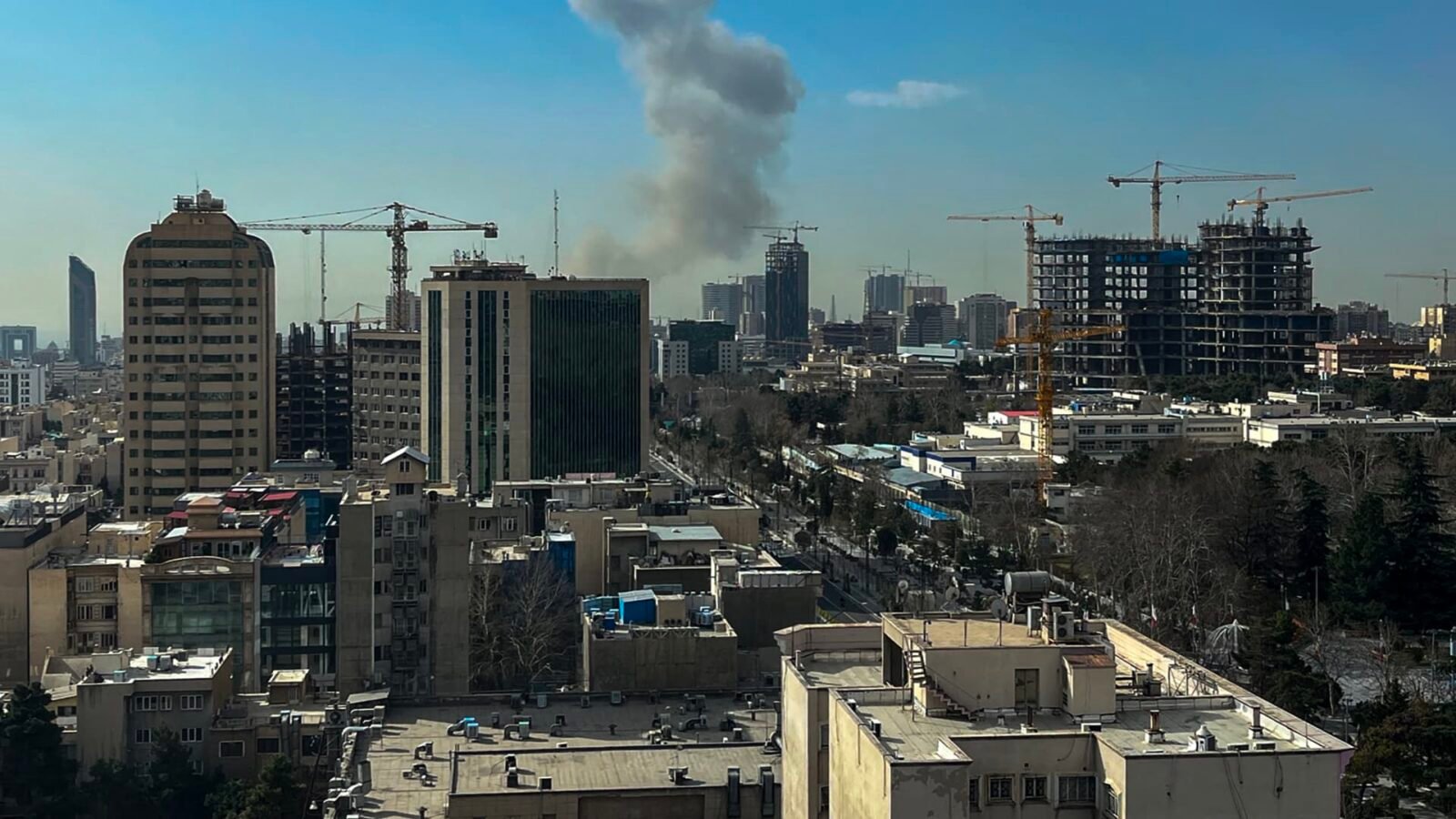
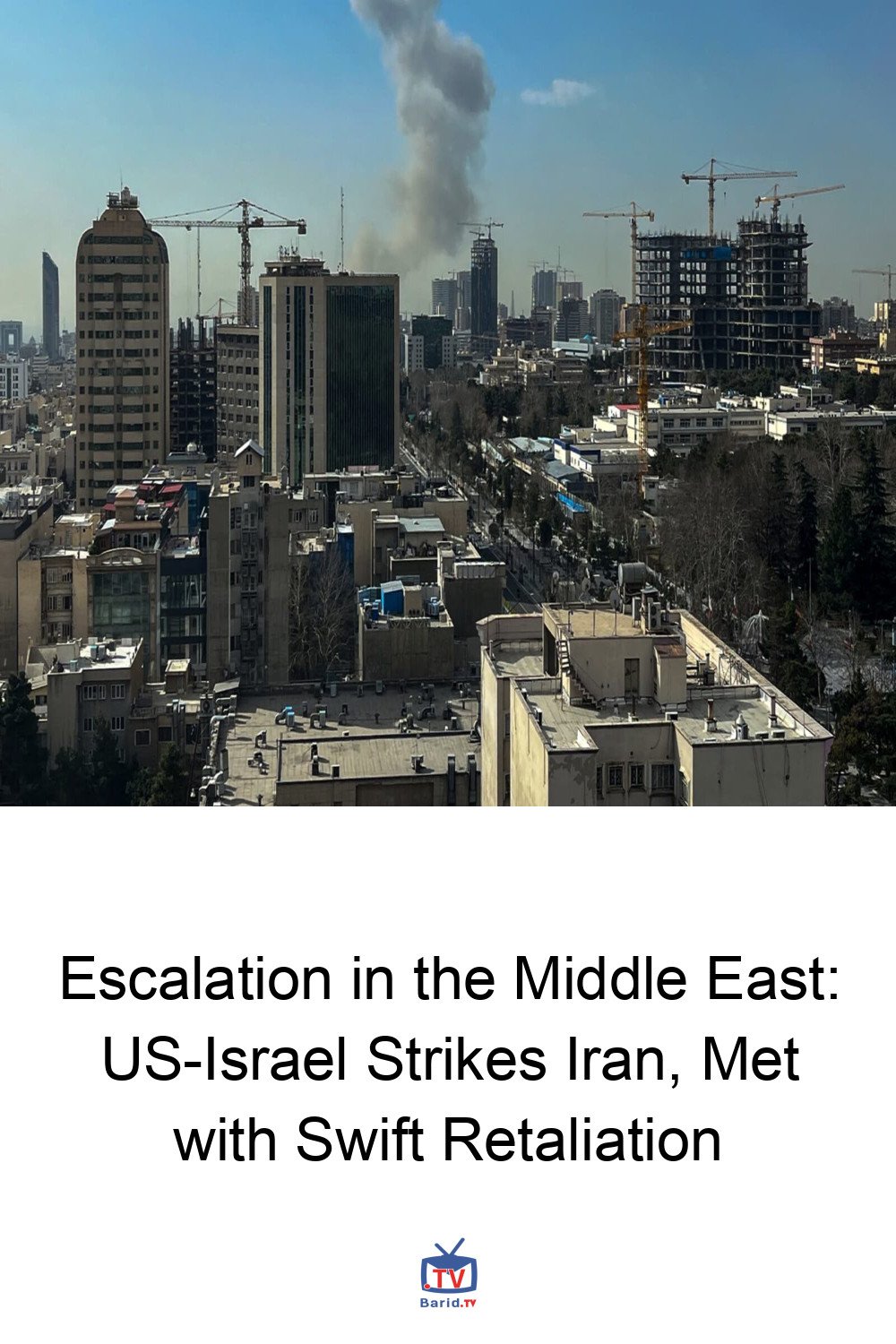
An unidentified Iranian official, also cited by Reuters, confirmed that several ministries located in the southern part of the Iranian capital, Tehran, were among the targets. Earlier in the day, Israel had launched its own daylight attack on Tehran, with a visible cloud of smoke rising from the city’s downtown area. The Israeli Prime Minister, Benjamin Netanyahu, publicly thanked President Trump for his “historic leadership,” asserting that Iran’s government had “spilled our blood, murdered many Americans, and massacred its own people.” He emphasized that “This murderous terrorist regime must not be allowed to arm itself with nuclear weapons that would enable it to threaten all of humanity.”
Iran’s Nuclear Ambitions at the Core of the Conflict
President Trump highlighted Iran’s persistent pursuit of nuclear weapons as a primary catalyst for the strikes. He referenced “operation midnight hammer last June,” which he claimed “obliterated the regime’s nuclear program at Fordow nets. And Isfahan.” Despite warnings and attempts at negotiation, Trump stated, “Iran refused” to cease its nuclear activities. Instead, he alleged, they “attempted to rebuild their nuclear program and to continue developing the long range missiles that can now threaten our very good friends and allies in Europe, our troops stationed overseas and could soon reach the American homeland.”
Widespread Retaliation and Regional Impact
The U.S.-Israel offensive triggered immediate and widespread retaliation from Iran. Explosions were reported across numerous cities in the Middle East, including Jerusalem. CNBC producer Joan Muwahed in Dubai reported hearing two explosions over the city in the United Arab Emirates. The Israel Defense Forces (IDF) confirmed identifying missiles launched from Iran towards Israel, stating, “Defensive systems are operating to intercept the threat.” Sirens blared across Israel, and the Home Front Command issued a precautionary directive to residents.
Iranian state television also reported explosions in Tehran, though without immediately specifying a cause. Iran’s Ministry of Foreign Affairs vehemently condemned the attacks, declaring, “The United States and the Zionist regime grossly violated Iran’s territorial integrity and national sovereignty, launching attacks on a range of targets and defensive infrastructure, as well as non-military sites, in various cities across our country.”
The ripple effect of the conflict was felt regionally. Qatar and the UAE both condemned Iranian missile counterattacks. Qatar’s Ministry of Defense described the targeting of its territory as “a flagrant violation of its national sovereignty.” Similarly, the UAE’s Ministry of Defense announced it had been subjected to a “blatant attack by Iranian ballistic missiles,” which its air defenses successfully intercepted. In Bahrain, the service center of the U.S. Fifth Fleet reportedly came under missile attack, prompting the U.S. embassy in Manama to issue a security alert warning of “imminent drone/missile attack in Bahrain.”
Diplomatic Efforts Undermined?
A senior Middle East diplomat, privy to recent talks between Iran and the U.S., expressed concern to MS Now, stating, “Yet again, when negotiations get close to success … Israel has intervened to preempt diplomacy.” This sentiment underscores the fragility of diplomatic efforts in a region perpetually on the brink, now facing a direct military confrontation with far-reaching implications.
For more details, visit our website.
Source: Link