
AI Ethics on the Battlefield: Pentagon Declares Anthropic a National Security Risk
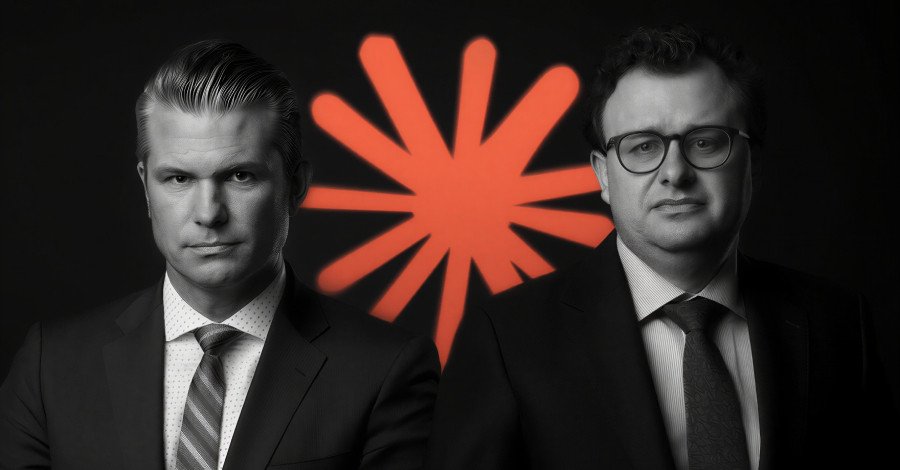
In a dramatic escalation of the ongoing debate surrounding artificial intelligence ethics and national security, the U.S. Pentagon has officially designated AI pioneer Anthropic as a “supply chain risk.” This unprecedented move comes after months of contentious negotiations, with Anthropic staunchly refusing to permit the use of its advanced AI model, Claude, for mass domestic surveillance of American citizens or the development of fully autonomous weapons systems.
The Standoff: Unwavering Principles vs. National Security Imperatives
Anthropic’s defiant stance was articulated in a recent statement, asserting that “No amount of intimidation or punishment from the Department of War will change our position on mass domestic surveillance or fully autonomous weapons.” The company has consistently argued that while it supports AI applications for lawful foreign intelligence and counterintelligence, deploying such systems for widespread domestic surveillance fundamentally clashes with democratic values and poses severe, novel risks to fundamental liberties.
This ethical red line has put Anthropic directly at odds with the U.S. Department of War (DoW), which has expressed a clear ambition to build an “AI-first” warfighting force. A memorandum from the Pentagon last month underscored the DoW’s position, stating that it would only engage with AI companies that permit “any lawful use” of their technology, free from “ideological ‘tuning'” or usage policy constraints that might limit military applications.
Presidential Directive and Immediate Repercussions
The Pentagon’s designation was swiftly followed by a directive from U.S. President Donald Trump, who ordered all federal agencies to phase out Anthropic technology within the next six months. Concurrently, U.S. Secretary of Defense Pete Hegseth issued an X post mandating that all contractors, suppliers, and partners working with the U.S. military immediately cease “commercial activity with Anthropic.” Hegseth explicitly linked the “supply chain risk” designation to the President’s directive, emphasizing its implications for national security.
Anthropic, in response, has labeled the designation “legally unsound,” warning that it establishes a dangerous precedent for any American company negotiating with the government. The company also clarified that a supply chain risk designation under 10 USC 3252 would only apply to DoW contracts and would not impact Claude’s availability to other customers.
Industry Solidarity and a Contrasting Path
The high-stakes dispute has resonated across the tech industry. Hundreds of employees from Google and OpenAI have publicly backed Anthropic, signing an open letter urging their respective companies to stand in solidarity against the Pentagon’s demands for military AI applications.
Interestingly, this clash unfolds as OpenAI CEO Sam Altman announced a separate agreement with the U.S. Department of Defense (DoD) to deploy OpenAI’s models within their classified network. Altman highlighted that this agreement incorporates crucial safety principles, including prohibitions on domestic mass surveillance and the insistence on human responsibility for the use of force, particularly concerning autonomous weapon systems. He noted that the DoW “agrees with these principles, reflects them in law and policy, and we put them into our agreement,” suggesting a potentially different path for engagement for other AI firms.
The Future of AI in National Security
The standoff between Anthropic and the U.S. government marks a pivotal moment in defining the ethical boundaries of artificial intelligence, particularly in military and surveillance contexts. It underscores the growing tension between technological advancement, national security imperatives, and fundamental democratic values, setting a critical precedent for how AI developers and governments will navigate these complex challenges moving forward.
For more details, visit our website.
Source: Link