
In an era where climate change and energy transition dominate global discourse, the role of specialized journalism has never been more critical. As Valéry Laramée de Tannenberg, a seasoned journalist in environmental, climate, and energy reporting, aptly put it: “Before, the job of a journalist was 24 hours a day. The job of a journalist of energy and climate is 36 hours a day.” This powerful statement underscored the intense demands and profound responsibility placed upon media professionals covering these complex issues, a sentiment central to a recent pivotal workshop held in Casablanca.
Empowering the Media for a Sustainable Future
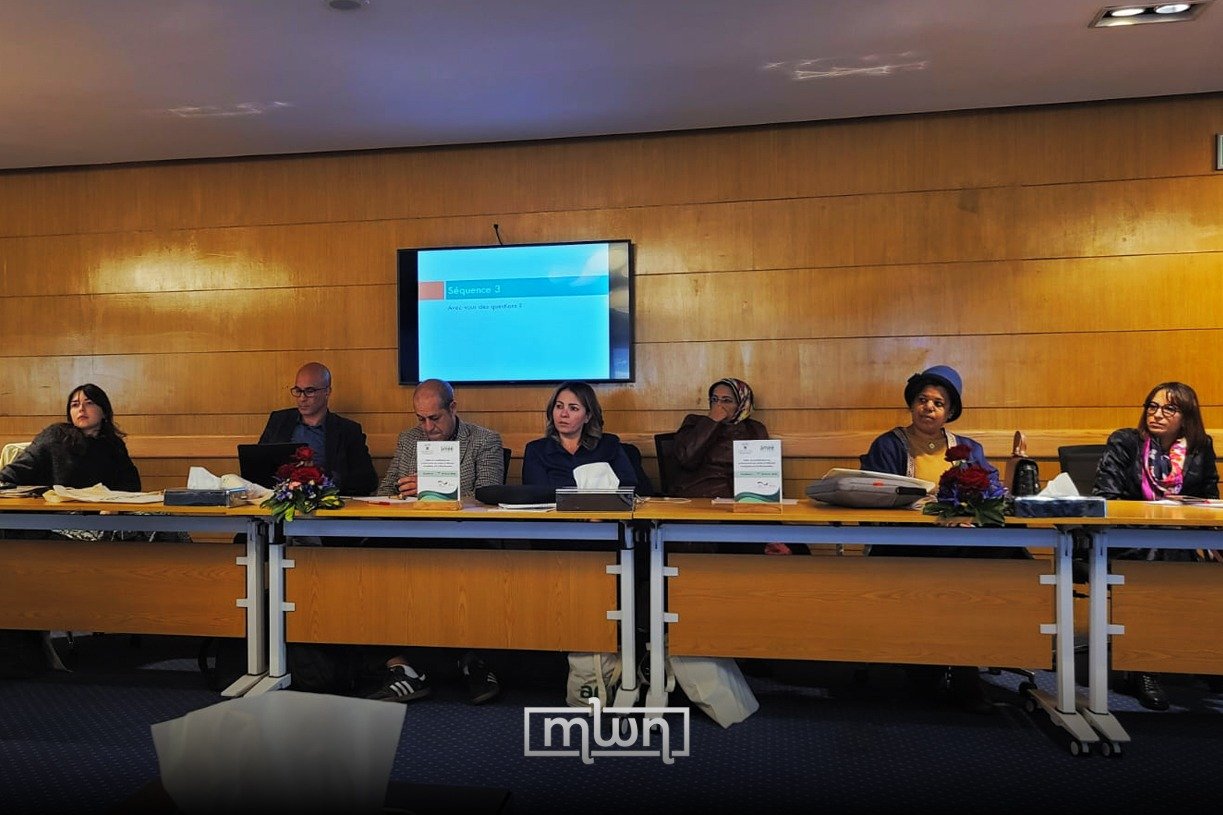
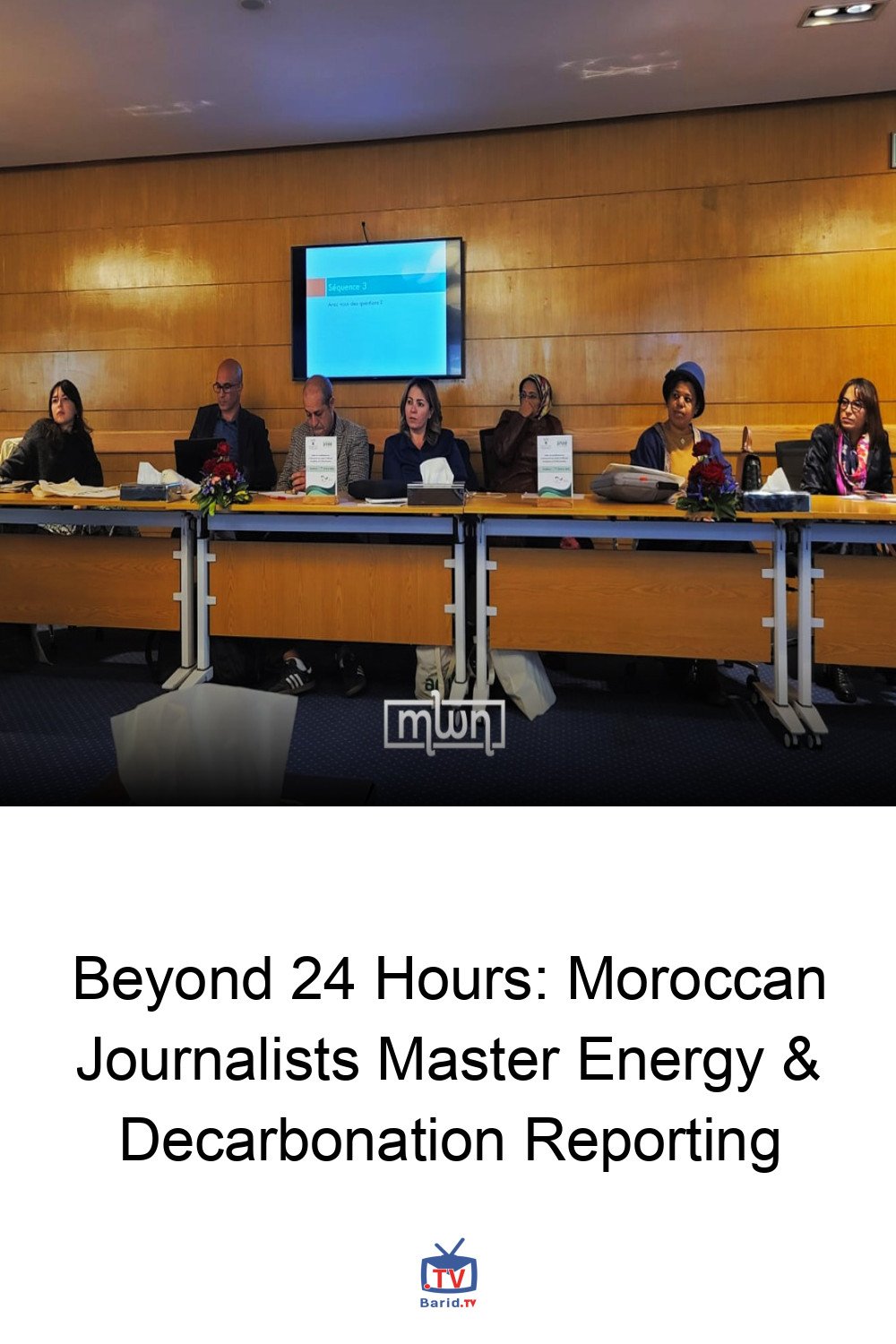
Casablanca’s Mövenpick hotel recently played host to the “Raising Journalists’ Awareness on Energy Efficiency and Decarbonation” workshop. This crucial event, a collaborative effort by the Ministry of Energy Transition and Sustainable Development, the Moroccan Agency for Energy Efficiency (AMEE), and supported by the German cooperation GIZ, convened Moroccan journalists to delve into the intricate concepts of energy efficiency and decarbonation.
The primary objective was clear: to bolster journalists’ understanding of pressing energy and environmental challenges, thereby empowering them to deliver accurate, nuanced, and pedagogically sound coverage. The media, after all, serves as a vital conduit, translating complex scientific and policy discussions into accessible information for the public.
Navigating Complexity: The Journalist’s Evolving Role
Under the expert guidance of Valéry Laramée de Tannenberg, the workshop offered a dynamic blend of presentations, real-world case studies, and hands-on practical exercises. Participants explored Morocco’s current energy landscape, including its greenhouse gas emissions profile, national strategies, and ambitious development plans. Crucially, sessions also demystified the core principles of energy efficiency and decarbonation, alongside rigorous training in information verification.
Laramée de Tannenberg emphasized the multifaceted nature of a journalist’s role in this specialized domain. “First, he must respect the fundamentals of the job of a journalist, that is to say, find the right sources, verify them, counterbalance them with other comparable studies to see if the study or the subject he is dealing with is valid,” he shared with Morocco World News (MWN). This foundational principle is amplified when tackling energy and climate topics, which demand a “certain expertise, a certain technical and scientific culture.”
From Expert Jargon to Public Understanding
A significant focus of the workshop was on the journalist’s role as a bridge between technical experts and the general public. This requires not just reporting facts, but also mastering the art of “pedagogy.” As Laramée de Tannenberg explained, journalists “must put himself at the level of his readers, of his listeners, of his spectators, to be sure to be understood.”
To reinforce this, practical exercises were integral. One notable activity involved journalists rewriting a text penned by climate and energy experts, transforming dense, technical language into clear, comprehensible narratives for a broader audience. This hands-on approach highlighted the critical skill of contextualization, source checking, and ensuring clarity in reporting.
A Commitment to Informed Reporting
The Casablanca workshop served as a powerful reminder that reporting on energy and climate issues is not merely a task but a continuous commitment. It demands unwavering attention, dedication, and a profound sense of responsibility. By equipping Moroccan journalists with advanced skills in energy efficiency and decarbonation reporting, this initiative marks a significant step towards fostering a more informed public discourse and supporting Morocco’s journey towards a sustainable future.
For more details, visit our website.
Source: Link