

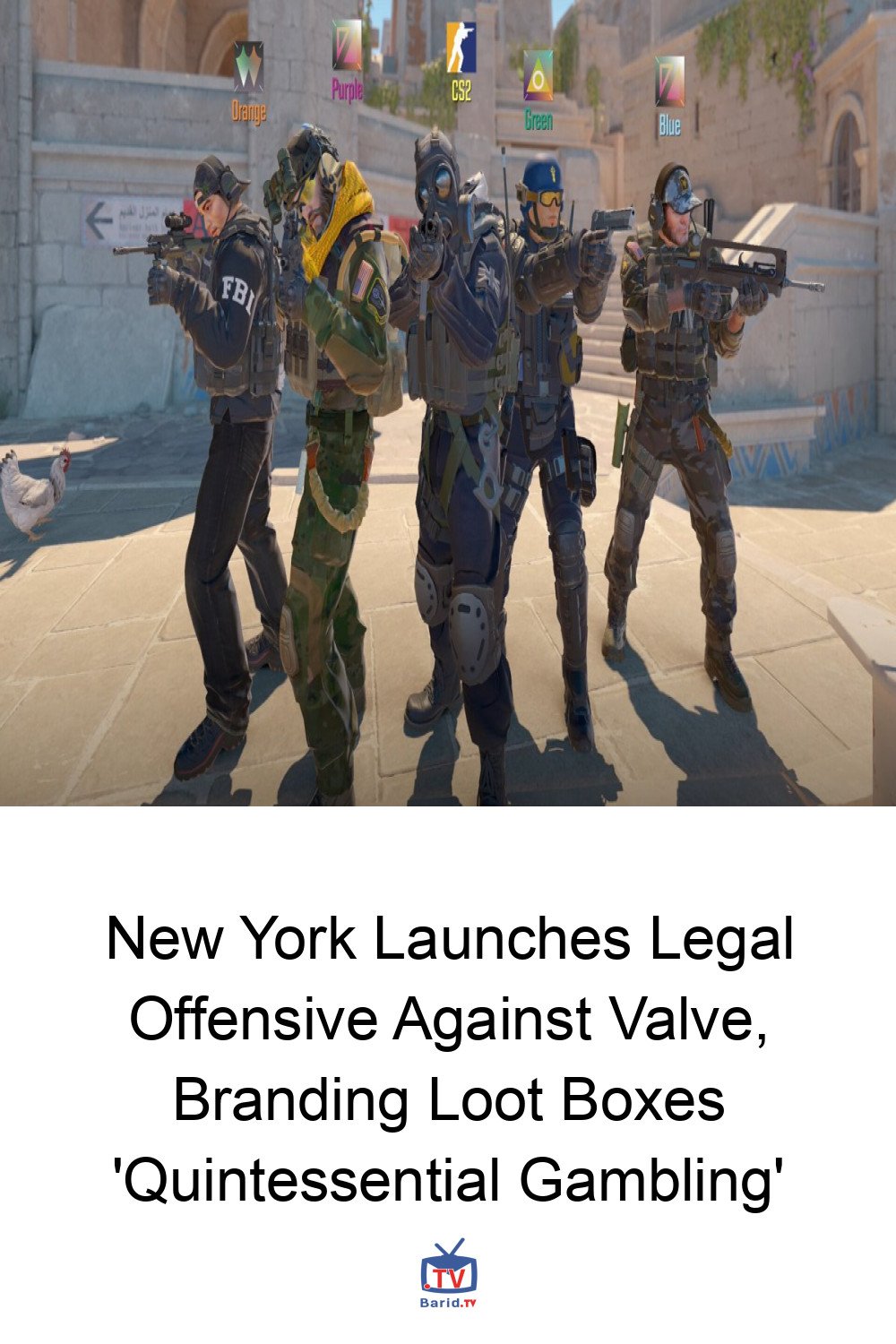
New York Attorney General Letitia James has initiated a landmark lawsuit against gaming giant Valve, accusing the company of “illegally promoting gambling” through its ubiquitous loot box systems in popular titles like Counter-Strike 2, Team Fortress 2, and Dota 2. This aggressive legal action seeks not only to halt Valve’s alleged promotion of these features but also to compel the disgorgement of “ill-gotten gains” and impose significant fines under New York law.
The Legal Gauntlet: ‘Quintessential Gambling’
The lawsuit unequivocally states that Valve’s loot box model—where players pay for a chance to win valuable virtual items based purely on luck—constitutes “quintessential gambling,” a practice explicitly prohibited by New York’s Constitution and Penal Law. The Attorney General’s office asserts that Valve has reaped “tens of millions of dollars” from New York residents purchasing loot box keys and “millions more” through commissions on the resale of these virtual items.
A particularly damning aspect highlighted in the complaint is the “pernicious” nature of these systems, given their widespread appeal among children and adolescents. The lawsuit argues that these mechanics exploit vulnerable populations, drawing them into a cycle of speculative spending.
Unpacking the Loot Box Mechanism
Players within Valve’s ecosystem can purchase digital keys to unlock loot boxes, revealing a randomly selected virtual item. These items, ranging from common cosmetic skins to ultra-rare collectibles, can then be traded or sold on the Steam Community Market or various third-party platforms. The lawsuit points out that some rare items can command prices “thousands of dollars,” creating a volatile, speculative market.
However, the complaint also emphasizes that the cost of a key (typically $2.49 plus tax) often outweighs the value of the item received, leading to frequent losses for players. The lawsuit further draws a stark comparison, noting that the visual and auditory experience of opening a loot box in Counter-Strike 2 strikingly mimics that of a traditional slot machine, reinforcing the gambling analogy.
The Road Ahead
As of reporting, Valve has not issued a public response to the allegations. This lawsuit marks a significant escalation in the ongoing global debate surrounding loot boxes and their classification as a form of gambling, potentially setting a precedent for future regulatory actions in the gaming industry and impacting how virtual economies are structured and regulated worldwide.
For more details, visit our website.
Source: Link