
When it comes to sculpting strong, functional legs, the lunge is often hailed as a king. But what if you’re missing out on a crucial dimension of lower body strength and mobility? While forward and reverse lunges are staples, the often-overlooked lateral lunge offers a unique pathway to enhanced glute, quad, and, crucially, inner thigh development, alongside improved hip health and balance.
Unlock New Dimensions of Leg Strength with the Lateral Lunge
Forget the monotony of your usual leg day. The lateral lunge, also known as the side lunge, introduces a dynamic, side-to-side movement that challenges your muscles in a way traditional lunges simply can’t. This exercise isn’t just about building muscle; it’s about fostering greater stability, flexibility, and overall athletic prowess.
Mastering the Movement: How to Perform a Perfect Lateral Lunge
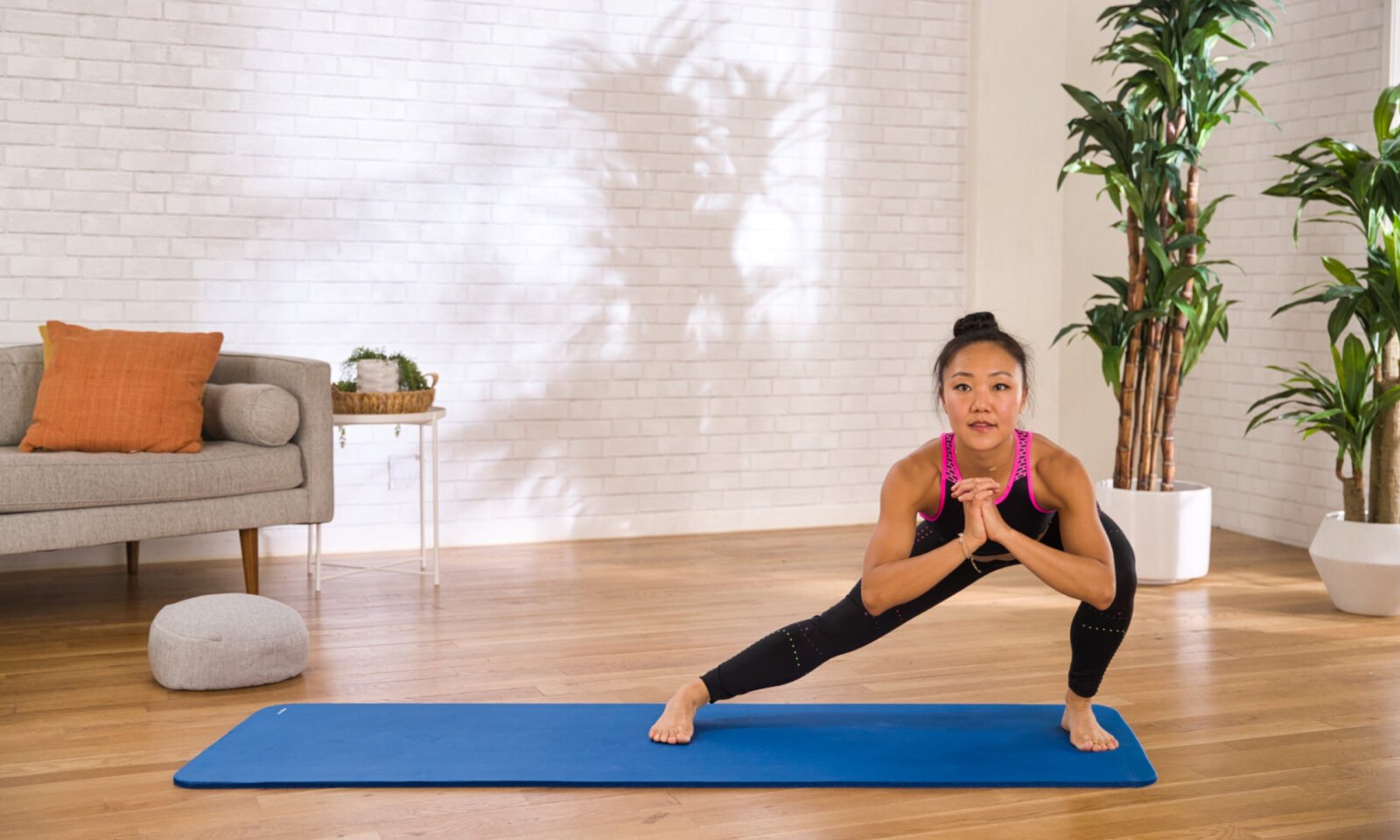
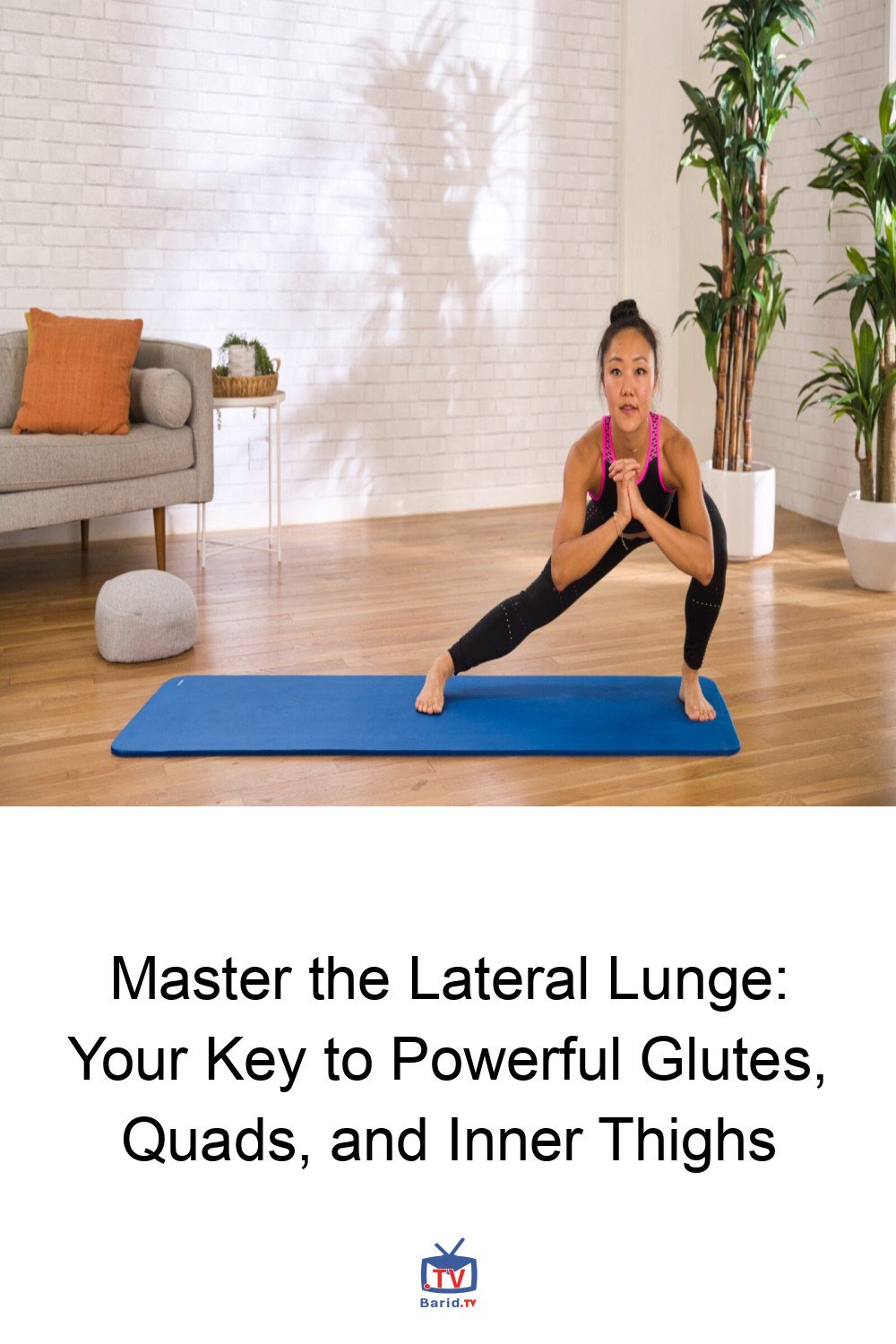
Achieving the full benefits of the lateral lunge starts with proper form. Fitness instructor Mindy Lai demonstrates the technique:
- Starting Position: Begin by standing tall with your feet hip-width apart. You can place your hands on your hips or clasp them in front of your chest for balance.
- Step Out: Take a significant step directly to your left side. As you step, bend your left knee, pushing your hips back as if you’re sitting into a chair. Keep your right leg straight, with your foot firmly planted.
- Lowering Phase: Descend until your left thigh is roughly parallel to the floor, or as far as your flexibility allows while maintaining good form. Ensure your chest remains lifted and your core engaged.
- Return to Center: Power through your left heel to push yourself back to the starting position, bringing your left foot to meet your right. Squeeze your glutes at the top.
- Alternate Sides: Repeat the movement on your right side. That completes one full set.
For a dynamic warmup, aim for 30 seconds to a minute of continuous lateral lunges. For a strength-building workout, complete 3 sets of 10 repetitions per side.
Elevate Your Exercise: Tips and Modifications
- Amplify the Challenge: To increase intensity, hold a dumbbell or kettlebell in front of your chest (goblet style) or in each hand.
- Enhance Stability and Hip Opening: Actively press into the outer edge of the foot of your straightened leg. This engages additional hip muscles and can deepen the stretch.
- Core Connection: Throughout the movement, keep your core tight and engaged. This not only protects your spine but also helps maintain an upright posture and improves overall stability.
The Unrivaled Benefits of Going Sideways
While standard lunges excel at targeting the glutes and quadriceps, lateral lunges bring a host of unique advantages to your fitness regimen:
- Comprehensive Thigh Activation: Unlike traditional lunges, the lateral lunge powerfully engages both your inner thigh muscles (adductors) and outer thigh muscles (abductors), alongside your glutes and quads. This comprehensive activation leads to more balanced leg strength.
- Gluteus Medius Powerhouse: This movement specifically targets the gluteus medius, a crucial muscle on the side of your hip responsible for hip stability and abduction. Strengthening it can significantly improve balance and reduce the risk of injury.
- Hip Mobility and Flexibility: The side-to-side motion is excellent for opening up tight hips and groin muscles, enhancing your overall range of motion and flexibility.
- Boosted Balance and Stability: The dynamic, multi-directional nature of the lateral lunge directly translates to improved balance and stability, essential for everyday movements and athletic performance.
- Versatile & Beginner-Friendly:
Whether you’re a novice looking for a gentle warmup or an experienced lifter seeking to diversify your routine, lateral lunges are adaptable. Adding weights can transform this simple move into a potent full-body exercise.
So, the next time you’re planning your leg workout, remember to step outside your comfort zone and embrace the lateral lunge. Your glutes, quads, and inner thighs will thank you for the dynamic challenge and comprehensive benefits.
For more details, visit our website.
Source: Link