
Welcome to Regulator, a deep dive into the powerful figures and emerging technologies shaping Washington. This edition uncovers the intriguing, and at times controversial, composition of a key Pentagon team tasked with navigating the complex world of Artificial Intelligence.
In a landscape increasingly defined by technological supremacy, the U.S. Department of Defense is making critical decisions about its AI future. Recent high-stakes negotiations between Defense Secretary Pete Hegseth’s team and AI giant Anthropic have brought into sharp focus the backgrounds of the individuals steering these crucial discussions. While some officials boast traditional government and military careers, others hail from the often-turbulent realms of Silicon Valley and high finance, raising questions about transparency, accountability, and potential conflicts of interest.
The Pentagon’s Private-Sector A-Team: Unconventional Architects of Defense AI
The Pentagon’s ongoing contract renegotiations with Anthropic have been anything but smooth. The stakes are remarkably high, with the Defense Department reportedly threatening to label Anthropic a “supply-chain risk” if the company fails to meet demands regarding its acceptable use policy. This dispute underscores the immense power and influence wielded by the Pentagon in the burgeoning AI sector.
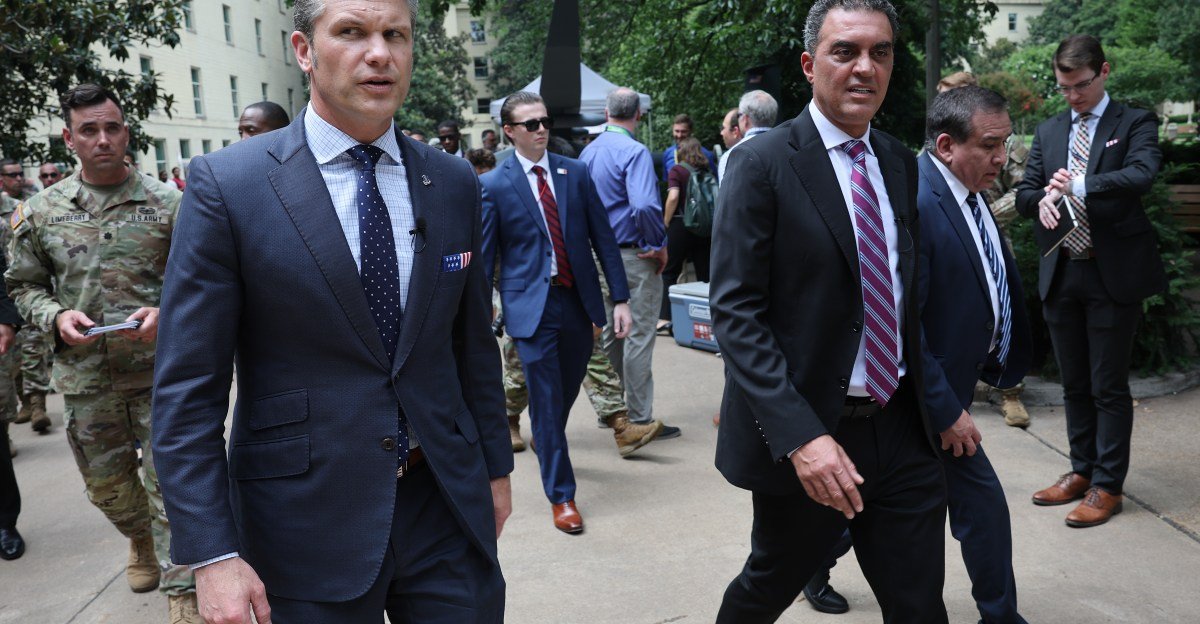
A recent meeting between Secretary Hegseth and Anthropic CEO Dario Amodei was reportedly attended by several senior Defense officials, a move intended to signal the Pentagon’s serious approach to the dispute. However, in an administration characterized by its embrace of “broligarchs” and unconventional appointments, a closer look at these attendees’ bios reveals some truly remarkable histories.
Emil Michael: From Uber’s Controversial “A-Team” to Pentagon CTO
Spearheading the negotiations with Anthropic is Pentagon CTO Emil Michael. For those familiar with the dramatic sagas of Silicon Valley, Michael’s name will resonate as the former second-in-command at Uber during Travis Kalanick’s tumultuous CEO tenure. His departure in 2017 followed an investigation that found he, along with other top executives dubbed the “A-Team,” fostered a culture rife with sexual harassment.
Michael’s past also includes concerning episodes related to surveillance and media relations. At a 2014 dinner with journalists, he controversially suggested hiring opposition researchers to dig up personal “dirt” on reporters critical of Uber, specifically targeting a female journalist who had highlighted the company’s misogynistic culture. This incident coincided with revelations about Uber’s internal “God Mode” tool, which employees used to track users’ movements, including a BuzzFeed journalist investigating an Uber executive. Such a history raises significant questions about privacy and ethical conduct in a role overseeing critical defense technology.
Steve Feinberg: A Private Equity Titan in the Halls of Power
Another prominent figure is Deputy Secretary Steve Feinberg, the founder of Cerberus Capital Management. This private equity behemoth manages approximately $65 billion in assets and is renowned for specializing in “distressed properties.” Feinberg is widely associated with the demise of auto manufacturer Chrysler and has a history of political engagement, including early support for Donald Trump’s 2016 presidential campaign and a stint on the president’s intelligence advisory board in 2018.
During his 2025 Senate confirmation hearing, Feinberg emphasized Cerberus’ extensive investments in national security companies, asserting his “significant experience with the Pentagon as a contractor.” This claim, however, immediately sparked concerns among Democrats regarding potential conflicts of interest, given Cerberus’ substantial holdings in defense contractors like DynCorp. Notably, DynCorp had previously settled a lawsuit with the Department of Justice over allegations of “knowingly inflated subcontractor charges” under a State Department contract to train Iraqi police forces.
Further complicating matters, in 2023, while Feinberg was still at Cerberus, the firm launched Cerberus Ventures. This venture capital arm specifically targets early-stage companies addressing national security issues in critical infrastructure, creating a direct pipeline between his private sector interests and his public service responsibilities.
Sean Parnell: Hegseth’s Chief Spokesperson
Rounding out the notable figures is Sean Parnell, Hegseth’s chief spokesperson. An Army veteran, Parnell made an unsuccessful bid for an open Senate seat in Pennsylvania in 2021. Despite securing Trump’s endorsement, his campaign was derailed in November following serious allegations from his ex-wife, the details of which were cut short in the provided article.
The presence of individuals with such varied and often contentious pasts within the Pentagon’s AI leadership team underscores a broader trend in Washington: the increasing integration of private sector figures into critical government roles. While proponents argue this brings valuable expertise, critics point to the inherent risks of blurred lines between public service and private interests, particularly in sensitive areas like national security and advanced technology. As the Pentagon navigates the future of AI, the composition and ethical considerations of its leadership will undoubtedly remain under intense scrutiny.
For more details, visit our website.
Source: Link