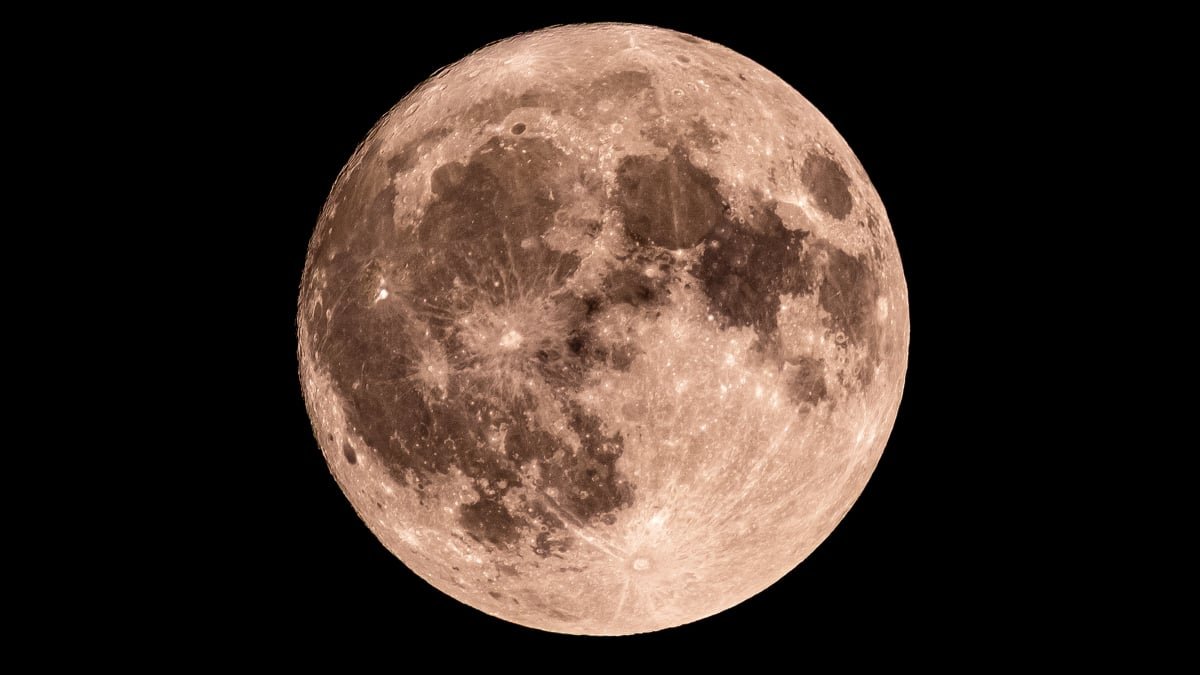

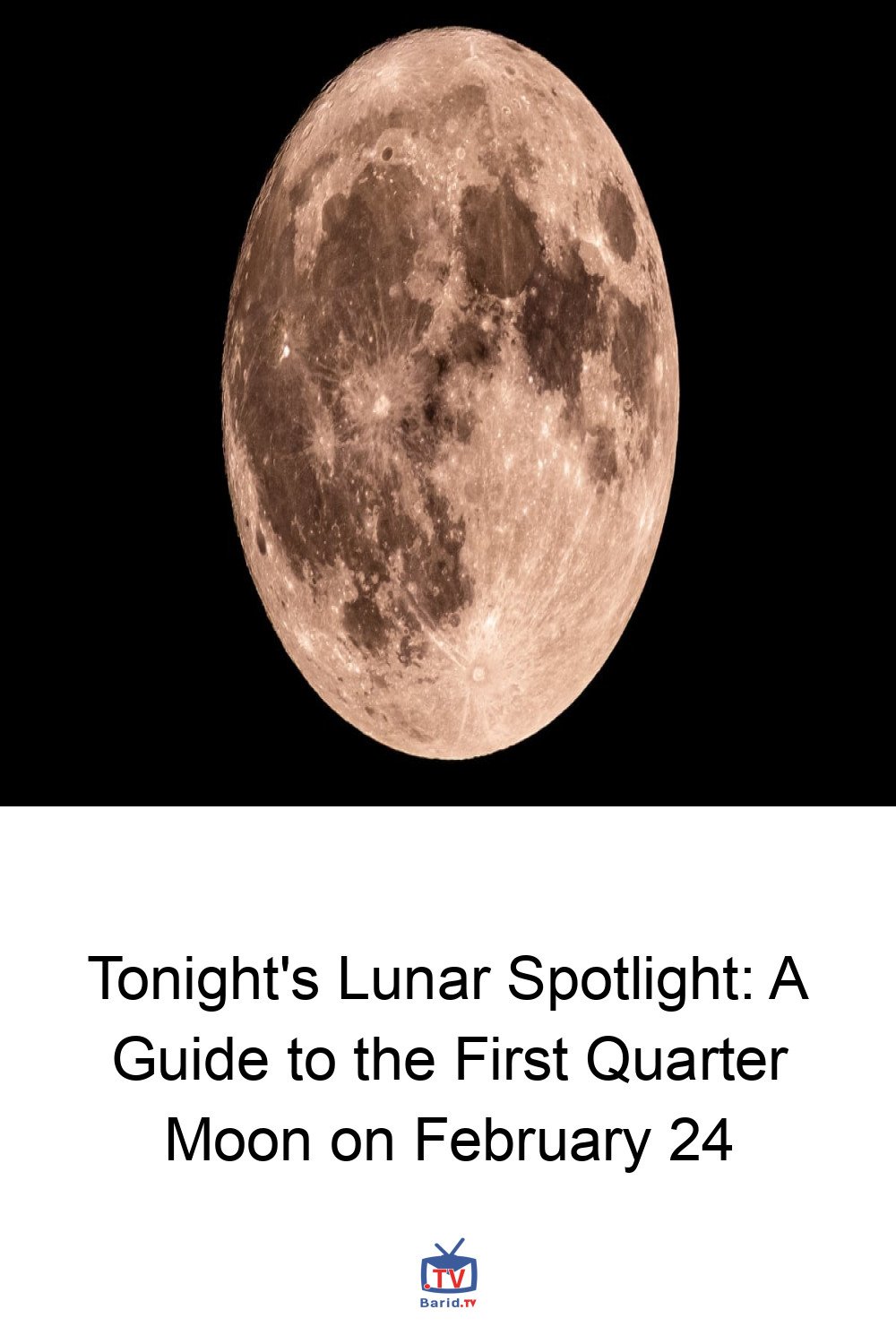
The night sky holds an eternal fascination, and few celestial bodies captivate us quite like our Moon. As it gracefully orbits Earth, its appearance transforms, offering a dynamic spectacle for observers. Tonight, February 24, marks a significant point in its journey: the First Quarter phase, presenting a unique opportunity for stargazers to witness its evolving beauty.
Tonight’s Lunar Glimpse: The First Quarter Moon
As of Tuesday, February 24, the Moon enters its First Quarter phase. According to NASA’s Daily Moon Guide, approximately 48% of the lunar surface will be illuminated, creating a striking half-moon appearance in our sky. This isn’t just any half-moon; it’s a stepping stone towards the full illumination, with each passing night promising a slightly larger and brighter lunar disc.
What You Can Spot in the Night Sky
Even without specialized equipment, the First Quarter Moon offers a wealth of detail. With the naked eye, you’ll clearly distinguish three prominent dark plains, known as ‘Mares’ (Latin for ‘seas’), which are ancient volcanic basalt flows:
- Mare Fecunditatis (Sea of Fecundity): A large mare in the eastern part of the Moon.
- Mare Tranquillitatis (Sea of Tranquility): Famous as the landing site of Apollo 11.
- Mare Serenitatis (Sea of Serenity): Another vast mare, known for its dark, smooth surface.
For those with a pair of binoculars, the lunar landscape reveals even more intricate features. You’ll be able to discern:
- Endymion Crater: A large, ancient impact crater near the Moon’s northeastern limb.
- Mare Nectaris (Sea of Nectar): A smaller, circular mare south of Mare Tranquillitatis.
- Posidonius Crater: A prominent impact crater with a complex floor, located on the western edge of Mare Serenitatis.
And if you’re fortunate enough to possess a telescope, the possibilities expand dramatically. Beyond the craters and maria, you can pinpoint historical landmarks and geological wonders:
- Apollo 16 and 17 Landing Spots: Trace the footsteps of humanity’s lunar explorers.
- Rupes Altai (Altai Scarp): A dramatic lunar fault line, appearing as a long, curving cliff.
Understanding the Moon’s Ever-Changing Face: The Lunar Phases
The Moon’s appearance isn’t static; it’s a continuous cycle driven by its orbit around Earth and its illumination by the Sun. NASA explains that it takes approximately 29.5 days for the Moon to complete one full orbit, during which it cycles through eight distinct phases. While the same side of the Moon always faces us, the amount of that visible surface lit by the Sun changes, creating the familiar progression from a sliver to a full orb and back again.
The Eight Phases of the Moon: A Quick Guide
- New Moon:
Positioned between Earth and the Sun, the side facing us is completely dark, making it invisible.
- Waxing Crescent: A thin sliver of light appears on the right side (for observers in the Northern Hemisphere), growing larger each night.
- First Quarter: Half of the Moon is illuminated on the right side, resembling a perfect half-circle. (This is tonight’s phase!)
- Waxing Gibbous: More than half of the Moon is lit, but it hasn’t yet reached full illumination.
- Full Moon: The entire face of the Moon is illuminated by the Sun and fully visible from Earth.
- Waning Gibbous: The Moon begins to lose light from its right side (Northern Hemisphere), gradually decreasing in illumination.
- Third Quarter (or Last Quarter): Another half-Moon, but now the left side is lit.
- Waning Crescent: A thin sliver of light remains on the left side before the Moon returns to its New Moon phase, completing the cycle.
Mark Your Calendars: Upcoming Full Moons
For those eagerly anticipating the next fully illuminated spectacle, the next Full Moon is scheduled for March 3. Looking back, the last Full Moon graced our skies on February 1.
Whether you’re a seasoned astronomer or a casual observer, the First Quarter Moon on February 24 offers a wonderful opportunity to connect with the cosmos. Step outside tonight and take a moment to appreciate the intricate beauty of our closest celestial neighbor.
For more details, visit our website.
Source: Link