
Bridging the Digital Divide in Global Commerce
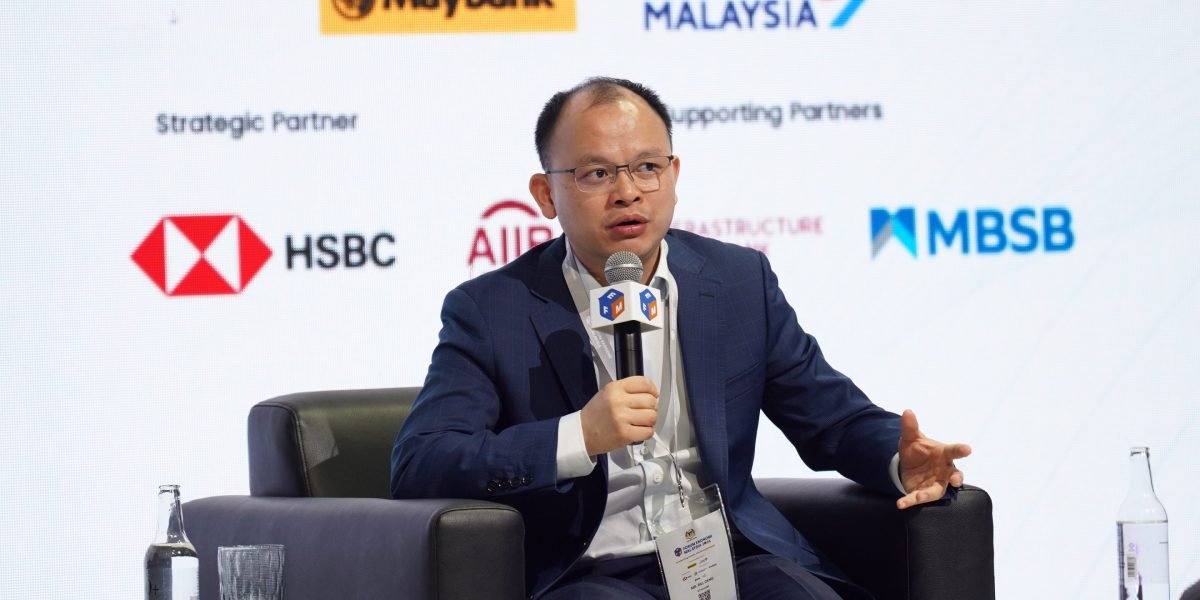
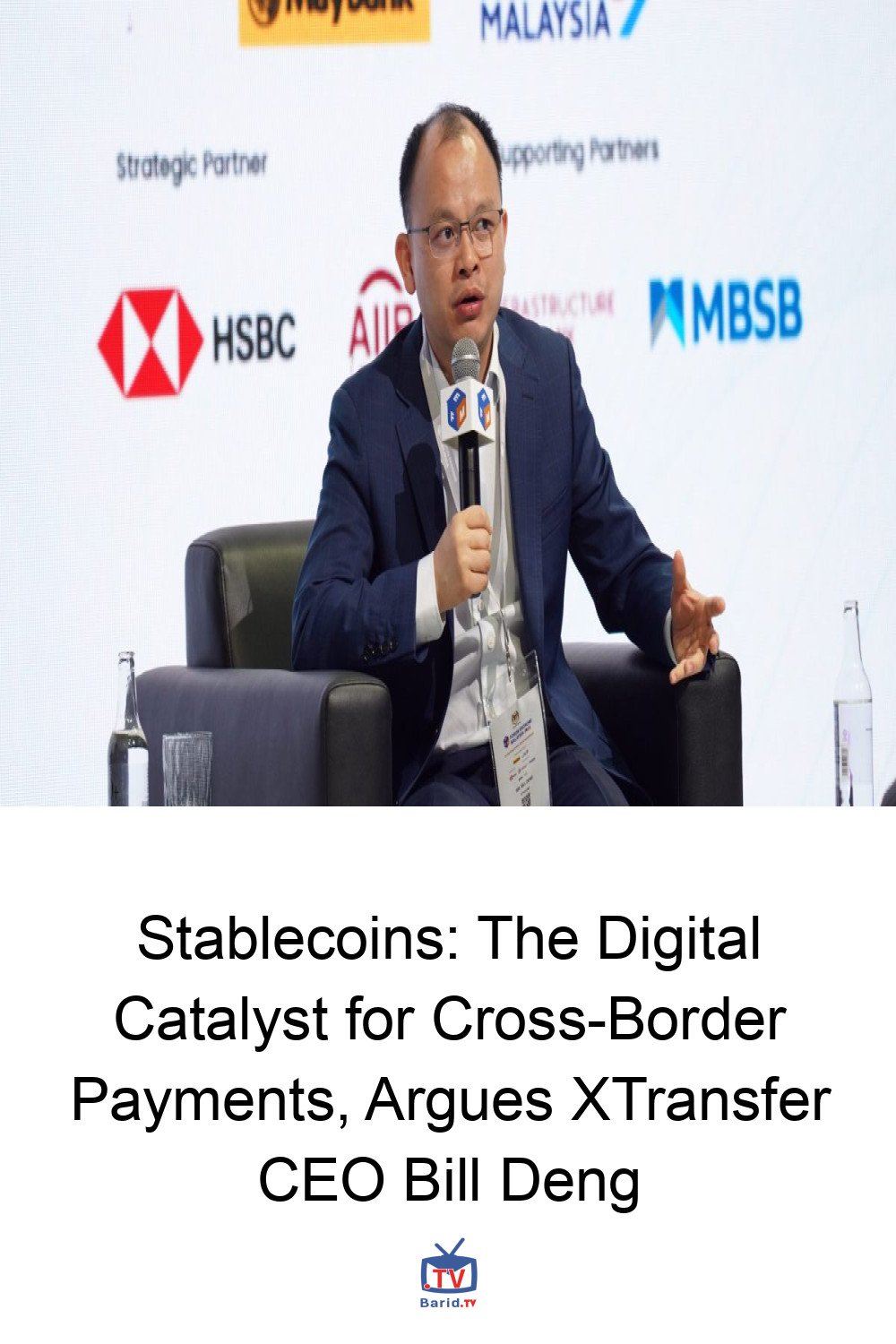
In an era where personal transactions traverse borders in mere moments, the world of business-to-business (B2B) cross-border payments often remains stubbornly anchored in the past. Think PDFs, emails, and an infrastructure that simply doesn’t keep pace with a 24/7 global economy. This glaring inefficiency is precisely what Bill Deng, CEO of China-based fintech platform XTransfer, aims to rectify, championing stablecoins as the transformative force.
The Persistent Paper Trail
While ports, airports, and fulfillment centers operate around the clock, the financial backbone supporting international trade lags significantly. “When it comes to money, there’s no 24/7 infrastructure,” Deng lamented in a recent interview with Fortune. Unlike the instant gratification of consumer-to-consumer payments, B2B deals are still mired in manual processes, from pro forma invoices to email exchanges, creating bottlenecks and delays.
Stablecoins: A Beacon of Efficiency?
Deng argues that stablecoins – digital tokens pegged to fiat currencies like the U.S. dollar – offer a compelling solution. They promise payments that are “more transparent, faster, and with a much lower cost.” While their value proposition for domestic payments might be modest, their potential for cross-border transactions is immense.
Beyond Domestic Borders
The stablecoin market has seen remarkable growth, now valued at $300 billion, a 75% year-on-year increase. Governments, including the U.S., Japan, and Hong Kong, are actively developing regulatory frameworks, signaling a growing acceptance. Yet, adoption in cross-border payments remains nascent, with McKinsey estimating annual stablecoin payments at a mere $390 billion, representing a tiny fraction (0.02%) of the total.
Navigating the Shadows: The Hawala Dilemma
For many small and medium-sized enterprises (SMEs) in developing nations, the formal banking system is often inaccessible or inefficient. This drives them towards unregulated “shadow banking” systems like hawala – a centuries-old money transfer method that predates modern banking. Hawala offers speed and reaches underserved areas, making it a “mainstream” solution for many SMEs, according to Deng.
The Regulatory Tightrope
However, the informal nature of hawala makes it a magnet for illicit activities, leading to intense scrutiny from governments concerned about money laundering. When banks detect suspicious flows, they often freeze accounts, creating a vicious cycle: banks are reluctant to serve SMEs, forcing SMEs into shadow systems, which further deters banks. XTransfer steps into this void, leveraging AI to navigate complex anti-money laundering (AML) regulations with greater accuracy and at a fraction of the cost of traditional banks.
A New Era of Transparency with Stablecoins
Beyond efficiency, stablecoins offer a powerful tool for regulatory oversight. Each transaction can embed crucial data about the sender, receiver, and purpose of payment, empowering regulators to identify and act on suspicious activity swiftly. “If there is some criminal evidence to show that the money needs to be frozen, issuers can freeze it within one second,” Deng explained, highlighting a level of control and transparency unmatched by traditional methods.
XTransfer’s Ascent and Shifting Global Tides
Founded in 2017 by Deng and five co-founders, XTransfer emerged as a B2B counterpart to China’s ubiquitous Alipay. Deng’s extensive background in payments, honed at Visa and Alibaba’s Ant Financial, provided the foundation for a venture that now serves over 800,000 enterprises globally, processing more than $12 billion in payments monthly and handling over 2% of China’s exports. Recent strategic partnerships with major banks in Malaysia, Thailand, and Taiwan underscore its growing influence.
The Rise of the Global South
XTransfer’s platform offers a unique vantage point on evolving global trade dynamics. Deng notes a significant shift, with the U.S. share of payments on their platform plummeting from 22% to just 9% in recent years. Conversely, flows from the “Global South” now constitute a dominant 70% of the total, reflecting a broader rebalancing of global economic power. XTransfer’s business in Asia, Africa, and Latin America surged by 106% in 2025, with Africa alone experiencing a remarkable 270% growth.
A Networked Future for Global Supply Chains
Looking ahead, Deng envisions a future where global trade moves beyond reliance on individual manufacturing powerhouses like China. Instead, he foresees supply chains evolving into intricate networks connecting diverse, smaller economies. He believes Chinese businesses are uniquely positioned to foster the growth of manufacturing sectors in these emerging markets, contributing to a more distributed and resilient global economy.
For more details, visit our website.
Source: Link