
Beyond the Gym: Creatine’s Mainstream Ascent
From exotic mushroom blends in your morning brew to protein-infused beverages, the wellness landscape is constantly evolving, introducing new staples into our daily routines. The latest to capture widespread attention? Creatine. Once the exclusive domain of competitive bodybuilders and collegiate athletes, this powerful supplement has undergone a remarkable transformation, now gracing the shelves of Pilates studios, trending across fitness TikToks, and featuring prominently in longevity wellness retreats. This shift reflects a broader understanding of its benefits, particularly for demographics previously overlooked.
‘Creatine has been gaining popularity among women across different age groups,’ notes Gretchen Zimmermann, a registered dietitian. She highlights a pivotal change in fitness culture: ‘We do see women who are lifting heavier, and there used to be this thing that was circulating a decade or two ago, where women thought that if they lifted heavy, they would get bulked up. Now we know that’s not true, and naturally there’s some interest in creatine for that reason.’ This evolving understanding debunks old myths, paving the way for a more inclusive approach to strength and vitality.
Unpacking Creatine: What Is It, Really?
So, what exactly is this compound that’s become a wellness sensation? Creatine is a naturally occurring organic compound produced by your body, primarily in the liver, kidneys, and pancreas. Federica Amati, a medical scientist and registered public health nutritionist, explains that the vast majority of it resides in your skeletal muscles. Here, it’s stored as phosphocreatine, a critical player in regenerating adenosine triphosphate (ATP) – the fundamental molecule that fuels muscle contractions, nerve signals, and the protein synthesis essential for tissue repair. A smaller percentage (less than 5%) is found in brain tissue and the testes, hinting at its broader physiological roles.
How Your Body Utilizes Creatine
Your body synthesizes approximately one gram of creatine daily from three amino acids: arginine, glycine, and methionine. Additionally, dietary sources like red meat, fish, and poultry contribute to your creatine levels. While these natural sources are sufficient for general health in most individuals, creatine supplementation can offer a significant edge in enhancing performance and accelerating recovery under specific conditions.
The Science of Power: How Creatine Fuels Your Cells
At the cellular level, ATP is the universal energy currency. During high-intensity exercise, ATP is rapidly depleted, breaking down into adenosine diphosphate (ADP). This is where creatine shines. Creatine phosphate acts as a rapid donor of a phosphate group to ADP, swiftly converting it back into ATP. This almost instantaneous recycling mechanism means that the more phosphocreatine stored in your muscles, the quicker your cells can regenerate ATP, allowing for greater power output during short, intense bursts of activity.
Choosing Your Supplement: The Gold Standard of Creatine
A stroll down the supplement aisle reveals a bewildering array of creatine forms: hydrochloride, magnesium chelate, citrate, nitrate, ethyl ester, and buffered versions. However, the scientific consensus is clear. According to the International Society of Sports Nutrition, creatine monohydrate stands as the most extensively researched, demonstrably effective, and typically the most cost-efficient form. Amati corroborates this, stating that no other form has consistently shown superior benefits.
Dosage and Administration
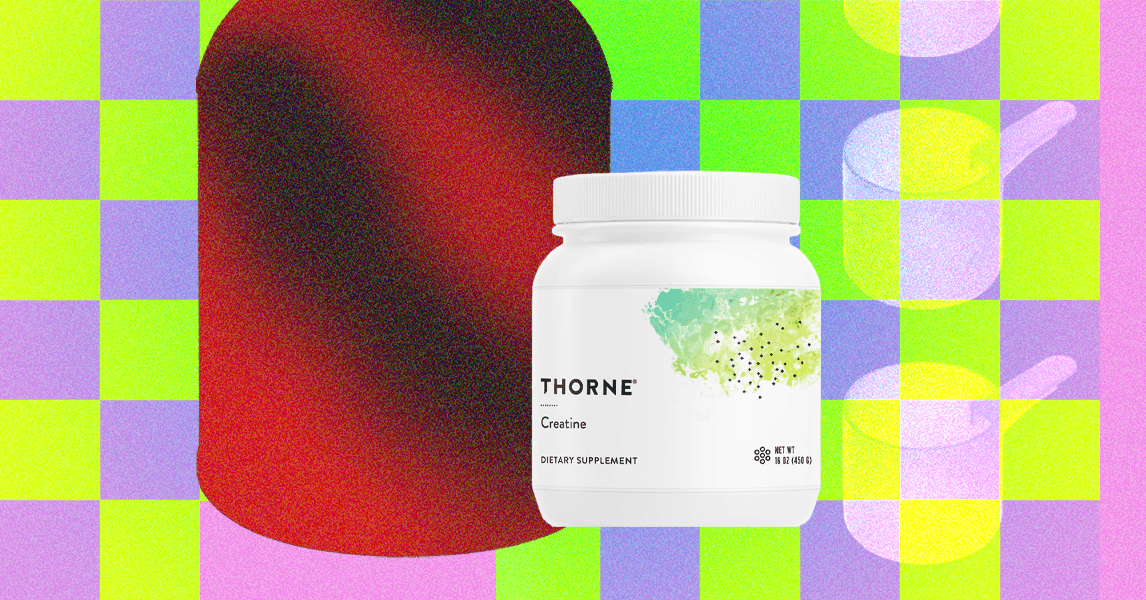
Creatine monohydrate is commonly available as a flavorless, white powder, easily mixed into water or your preferred shake. The recommended standard dose, as advised by Amati, is 3 to 5 grams per day. While some athletes might opt for a ‘loading phase’ with higher initial doses, studies indicate that this offers no long-term performance advantages and may unnecessarily burden the kidneys. Consistency, rather than high initial doses, is key.
Beyond Strength: Creatine’s Impact on Muscle and Performance
Creatine’s utility is most pronounced in activities demanding explosive, short-duration efforts, such as sprinting, weightlifting, and high-intensity interval training (HIIT). Its relevance diminishes significantly for endurance sports like marathons. Emerging evidence also suggests creatine can enhance muscle glycogen storage, which is crucial for post-exercise recovery and replenishing energy reserves between training sessions.
Preserving Muscle Mass and Supporting Longevity
While creatine doesn’t directly build muscle, its synergy with resistance training and adequate nutrition is profound. It plays a vital role in preserving muscle strength and lean body mass, making it particularly valuable during injury recovery or as we age. Sarcopenia, the age-related loss of muscle mass, becomes a significant risk factor later in life, and creatine can help mitigate this by activating specialized stem cells known as satellite cells.
A Game-Changer for Women’s Health
Gretchen Zimmermann emphasizes creatine’s particular benefits for women, especially those in perimenopause and menopause. ‘As women get older—starting in our forties—we lose body mass 1 to 2 percent a year, and that can affect bone health later on in life,’ she explains. ‘Creatine [supplements] support keeping and building lean muscle mass.’ She further notes, ‘Women tend to have lower muscle mass than men, just naturally, so I think women may actually respond better to supplementation, because they’re at baseline.’ This suggests creatine could be an even more impactful supplement for women seeking to maintain strength, bone density, and overall vitality.
Creatine and Cognitive Function: A Developing Story
While creatine’s impact on athletic prowess is extensively documented, its effects on mental performance are still being actively researched. Early studies suggest that creatine, which is also present in brain tissue, may play a role in cognitive function, particularly in tasks requiring quick thinking or during periods of sleep deprivation. As the brain relies heavily on ATP for energy, creatine’s ability to support ATP regeneration could theoretically enhance brain energy metabolism. Further research is needed to fully understand and quantify these potential cognitive benefits, but the initial findings are promising, opening up new avenues for exploring creatine’s broader health implications.
Is Creatine Safe?
Generally, creatine monohydrate is considered safe for most healthy individuals when taken at recommended doses. Minor side effects can include gastrointestinal upset, muscle cramping, or water retention, especially during initial loading phases or with excessive doses. It’s always crucial to stay well-hydrated when supplementing with creatine. Individuals with pre-existing kidney conditions should consult a healthcare professional before starting creatine supplementation. As with any supplement, quality matters, so choosing reputable brands is essential.
Creatine has undeniably shed its niche image, emerging as a versatile and scientifically backed supplement for a wider audience. From enhancing athletic performance and supporting muscle health to potentially aiding cognitive function, its benefits are compelling. For those looking to optimize their physical and mental vitality, especially as part of a structured fitness and nutrition regimen, creatine monohydrate presents a well-researched and accessible option. As always, consulting with a healthcare professional or registered dietitian is recommended to determine if creatine is right for your individual needs.
For more details, visit our website.
Source: Link