

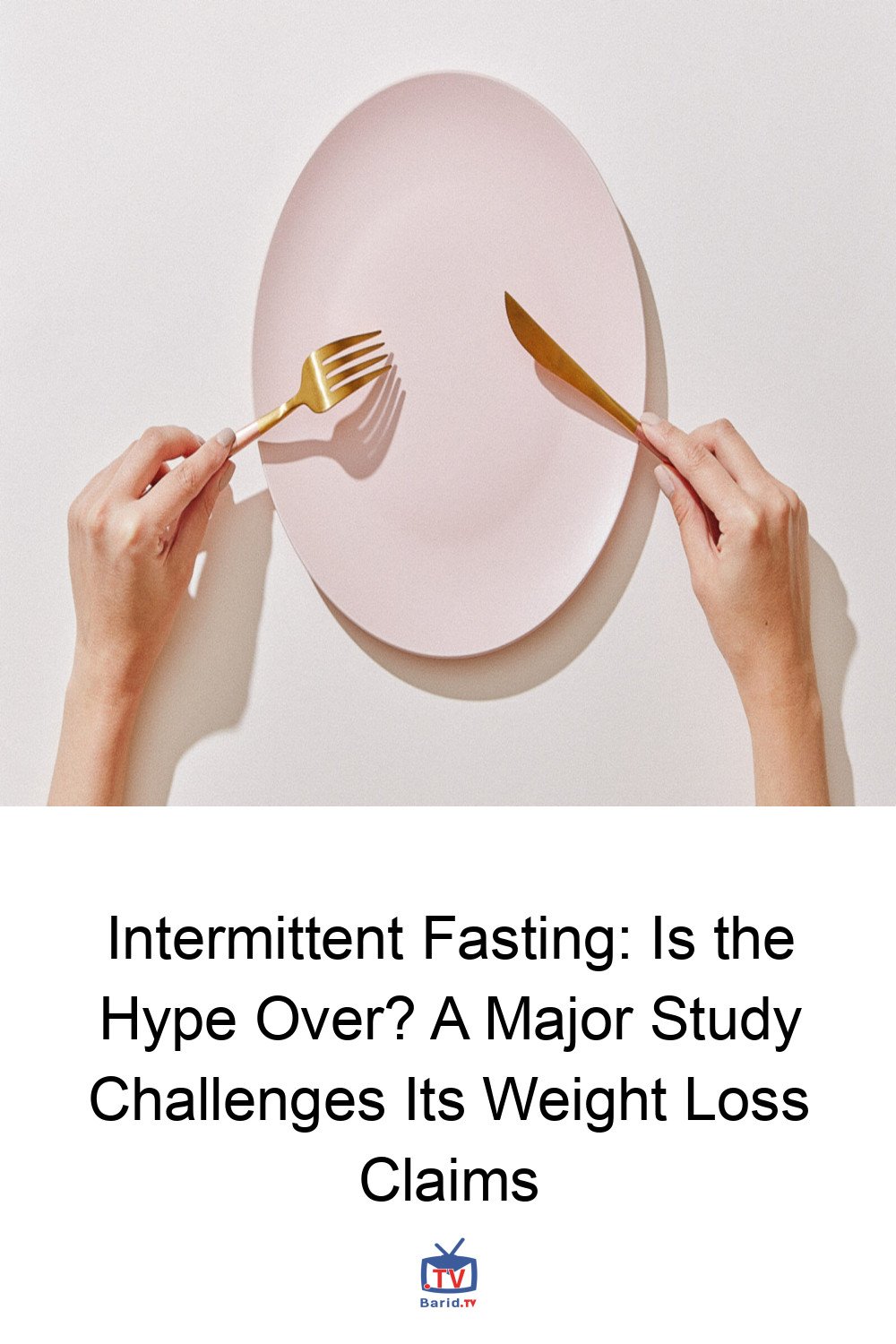
For years, intermittent fasting (IF) has been lauded as a revolutionary path to easier weight loss, improved metabolism, and even a longer life. Many have embraced the discipline, white-knuckling through hunger pangs or feeling a pang of failure when the method didn’t quite ‘click.’ If this resonates with you, rest assured: you are far from alone. A significant new Cochrane review has just delivered a dose of scientific reality to the widespread hype surrounding IF.
Understanding Intermittent Fasting: A Quick Primer
Before delving into the review’s pivotal findings, it’s essential to clarify what ‘intermittent fasting’ truly encompasses. The research examined three primary approaches:
Alternate-Day Fasting
This involves alternating between days of normal eating and days of very low (or no) calorie intake. It’s a rigorous cycle of feast and near-famine.
The 5:2 Diet
Participants eat normally for five days a week, then significantly restrict calories (typically 500-600) on two non-consecutive days.
Time-Restricted Eating (e.g., 16:8)
Perhaps the most popular variant, this method confines all daily eating to a specific window, such as an 8-hour period, followed by a 16-hour fast. For many, this feels more manageable as a significant portion of the fasting occurs during sleep.
The core principle behind all these methods is to reduce overall calorie intake by limiting when you eat, rather than meticulously counting calories.
The Verdict: What the Cochrane Review Revealed
Cochrane reviews are considered the gold standard in evidence-based medicine. They meticulously synthesize all high-quality research on a given topic to provide a comprehensive and unbiased overview. This particular review aggregated data from 22 studies involving nearly 2,000 individuals globally, testing all three aforementioned fasting types.
The findings were stark: intermittent fasting did not lead to meaningful weight loss when compared to conventional dieting advice. In essence, for the primary goal many adopt IF for, it offered no significant advantage over simply following general dietary recommendations.
Beyond the Headlines: Nuances and Limitations
Before abandoning your eating window entirely, it’s crucial to consider the broader context and limitations of the studies:
Short-Term Focus
Most studies included in the review were relatively short-term. The long-term effects of consistent intermittent fasting, spanning years, remain largely unexplored. Some emerging research suggests that meal timing might influence other health markers, even if not directly impacting weight.
Inconsistent Side Effect Tracking
The reporting of side effects varied wildly across studies, leaving a fragmented picture of potential adverse reactions or discomforts associated with IF.
Limited Participant Diversity
The majority of participants were white adults residing in affluent nations. This lack of diversity means the findings may not be universally applicable to all populations or demographics.
The bottom line? Intermittent fasting is likely not inherently harmful for most healthy individuals. However, it’s equally clear that it isn’t the weight-loss panacea it has often been portrayed to be.
Why Does IF Feel Effective for Some?
Despite the review’s findings, many individuals genuinely report feeling better and achieving their goals with intermittent fasting. This personal experience is valid, and there are plausible reasons why IF might ‘click’ for certain people, even if the scale doesn’t dramatically shift:
Unconscious Calorie Reduction
By simply shortening the eating window, many naturally consume fewer calories overall without the tedious task of tracking every bite.
Simplicity and Structure
For some, the clear-cut rules of IF—’eat between X and Y’—offer a welcome simplicity compared to complex macro counting or restrictive meal plans. This structure can foster a sense of control.
Individual Variability
Human bodies are incredibly diverse. What works optimally for one person may not for another. Genetic predispositions, lifestyle factors, and metabolic responses all play a role.
Focus Beyond the Scale
Feeling more in control of one’s eating habits, experiencing improved digestion, or simply having a routine that fits one’s lifestyle are valuable outcomes, irrespective of weight changes. Weight is merely one metric of health.
Sustainable Strategies for Weight Management
If intermittent fasting isn’t the magic bullet, what strategies consistently demonstrate efficacy for weight management and overall health? Research repeatedly points to these foundational principles:
Prioritize Nutrient-Dense Whole Foods
Focus on a diet rich in whole, unprocessed foods, abundant fiber, and essential nutrients. Approaches like the Mediterranean diet, with its emphasis on fruits, vegetables, whole grains, lean proteins, and healthy fats, boast decades of robust scientific backing for both weight and longevity.
Ensure Adequate Protein Intake
Protein is crucial for satiety and for preserving muscle mass, particularly as we age. Many popular diets inadvertently lead to insufficient protein, which can hinder progress. Consider sources like lean meats, fish, eggs, legumes, and dairy.
Engage in Consistent, Enjoyable Movement
The most effective exercise routine is the one you can stick with. Prioritize activities you genuinely enjoy, whether it’s walking, dancing, cycling, or strength training. Consistency far outweighs sporadic intensity.
Master Sleep and Stress Management
Often overlooked, chronic sleep deprivation and unmanaged stress can profoundly disrupt hormones that regulate appetite and metabolism, sabotaging even the most well-intentioned dietary efforts.
Ultimately, the ‘best’ plan isn’t the trendiest or most restrictive; it’s the one that integrates seamlessly into your life and is sustainable long-term.
The Bottom Line: Your Health, Your Way
The latest science suggests that intermittent fasting, while not inherently detrimental, is unlikely to be the weight-loss miracle many believed it to be. And honestly, for many, that’s a relief.
If you’ve been struggling to adhere to an eating pattern that leaves you feeling deprived, frustrated, or simply miserable, consider this your scientific permission slip to explore other avenues. The true goal isn’t to conform to a rigid protocol, but to discover a sustainable, enjoyable approach to health and well-being that genuinely works for your unique body and lifestyle.
For more details, visit our website.
Source: Link