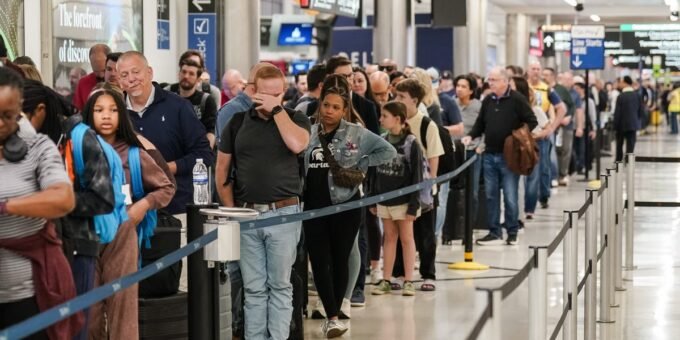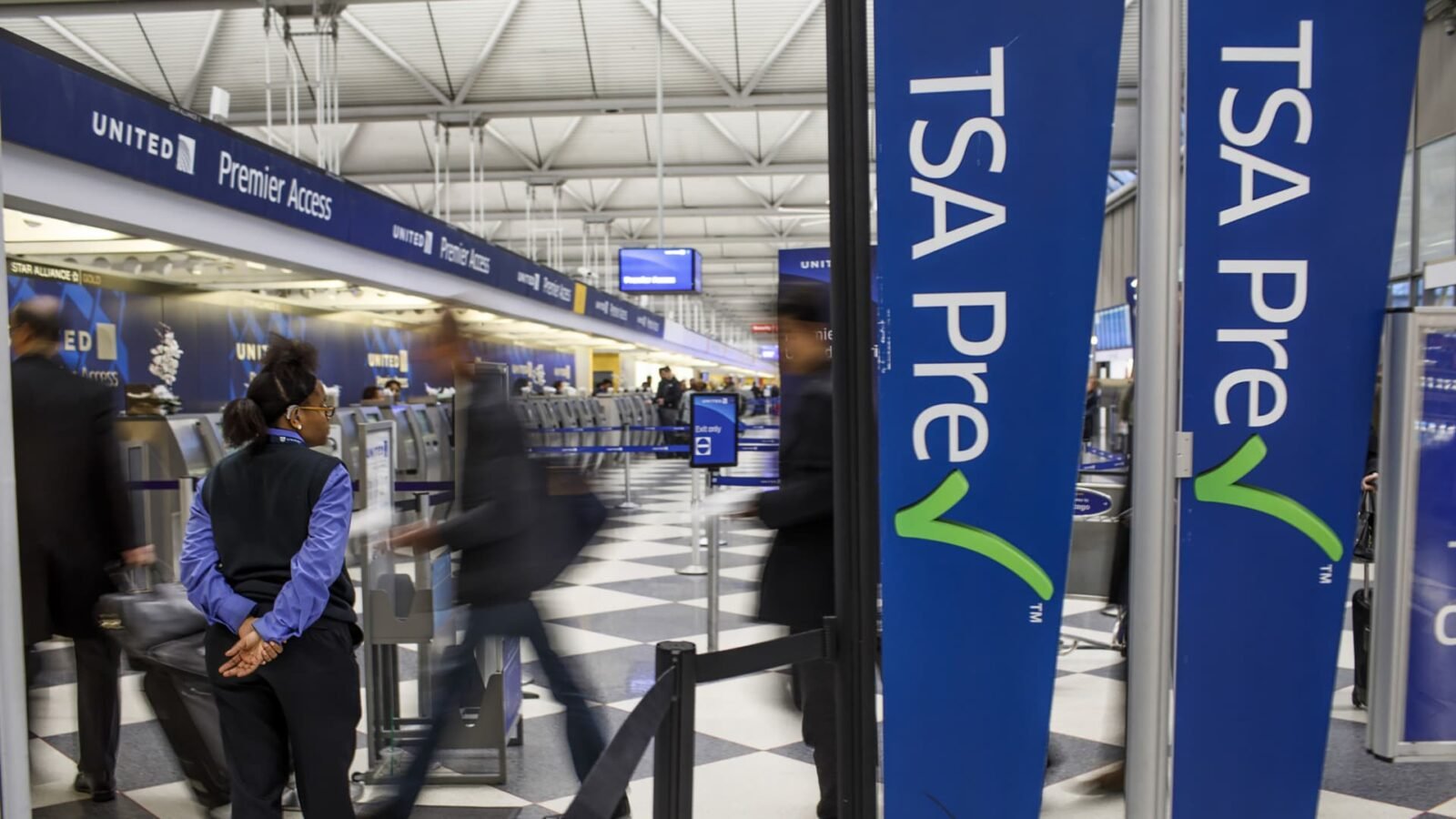

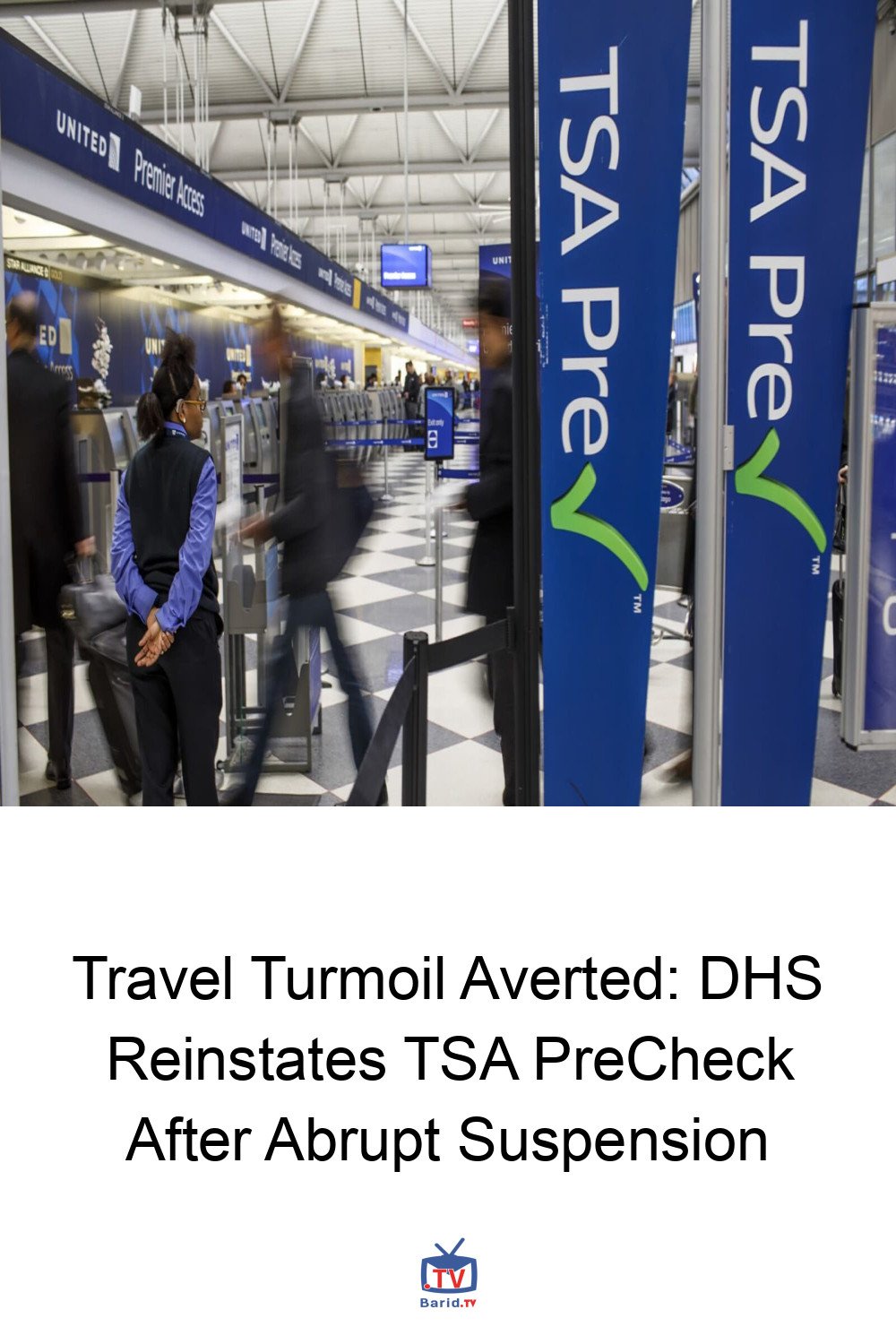
In a dramatic turn of events that sent ripples of confusion and frustration through the travel industry, the Department of Homeland Security (DHS) abruptly reversed its decision to suspend the popular TSA PreCheck program. Just hours after announcing its cessation, the faster airport security lanes were declared fully operational again, though the fate of Global Entry remains in limbo amidst the ongoing partial government shutdown.
A Whirlwind of Policy Reversals
Sunday began with unsettling news for millions of frequent flyers. The DHS had initially stated that both TSA PreCheck and Global Entry, alongside other expedited programs, would be suspended from 6 a.m. ET. This sudden declaration caught travel industry leaders completely off guard, sparking immediate alarm and urgent discussions with DHS officials.
However, by Sunday afternoon, the narrative had shifted dramatically. The Transportation Security Administration (TSA) confirmed that PreCheck lanes were operating normally. “At this time, TSA PreCheck remains operational with no change for the traveling public,” TSA officials stated, adding that “courtesy escorts, such as those for Members of Congress, have been suspended to allow officers to focus on the mission of securing America’s skies.” While the updated DHS statement removed any mention of PreCheck’s suspension, it notably maintained that Global Entry remains paused.
Industry Voices: Relief and Frustration
The swift reversal was met with a mix of relief and continued exasperation from industry stakeholders. Geoff Freeman, chief executive of U.S. Travel, an influential industry group, expressed cautious optimism: “We are glad that DHS has decided to keep PreCheck operational and avoid a crisis of its own making.”
Yet, the initial decision and its chaotic handling underscored deeper concerns. Airlines for America (A4A) CEO Chris Sununu had earlier voiced strong criticism, stating, “A4A is deeply concerned that TSA PreCheck and Global Entry programs are being suspended and that the traveling public will be, once again, used as a political football amid another government shutdown.” He highlighted the “extremely short notice to travelers,” which was particularly troubling during a period of record air travel.
The Shadow of the Shutdown
This policy whiplash unfolds against the backdrop of a partial U.S. government shutdown, which has left thousands of DHS employees, including vital TSA airport screeners, working without pay since February 14th. DHS Secretary Kristi Noem attributed the tough decisions to the shutdown, blaming Democrats and asserting that “shutdowns have real world consequences… it endangers our national security.”
Senate Minority Leader Chuck Schumer (D-N.Y.) swiftly countered, accusing the Trump administration of “choosing to inflict pain on the public instead of adopting common sense” reforms. The political blame game continues, with the traveling public often caught in the crossfire.
Global Entry’s Uncertain Future
While PreCheck has been reinstated, the suspension of Global Entry persists, leaving many international travelers facing longer waits upon re-entry to the U.S. DHS has not provided details on when, or if, this suspension might be reversed, nor has it clarified the reasons behind the differential treatment of the two programs.
A Recurring Nightmare for Travel
The travel industry has repeatedly found itself at the epicenter of government funding impasses. Executives recall last year’s record federal government shutdown, which cost airlines millions and severely impacted bookings. The U.S. Travel Association estimates that the longest-ever government shutdown in the fall cost the travel industry and other sectors a staggering $6.1 billion, affecting approximately 6 million travelers.
Industry leaders continue to advocate for measures that would ensure essential government workers are paid during funding lapses, aiming to shield air travel and the broader economy from becoming collateral damage in political disputes.
For more details, visit our website.
Source: Link