



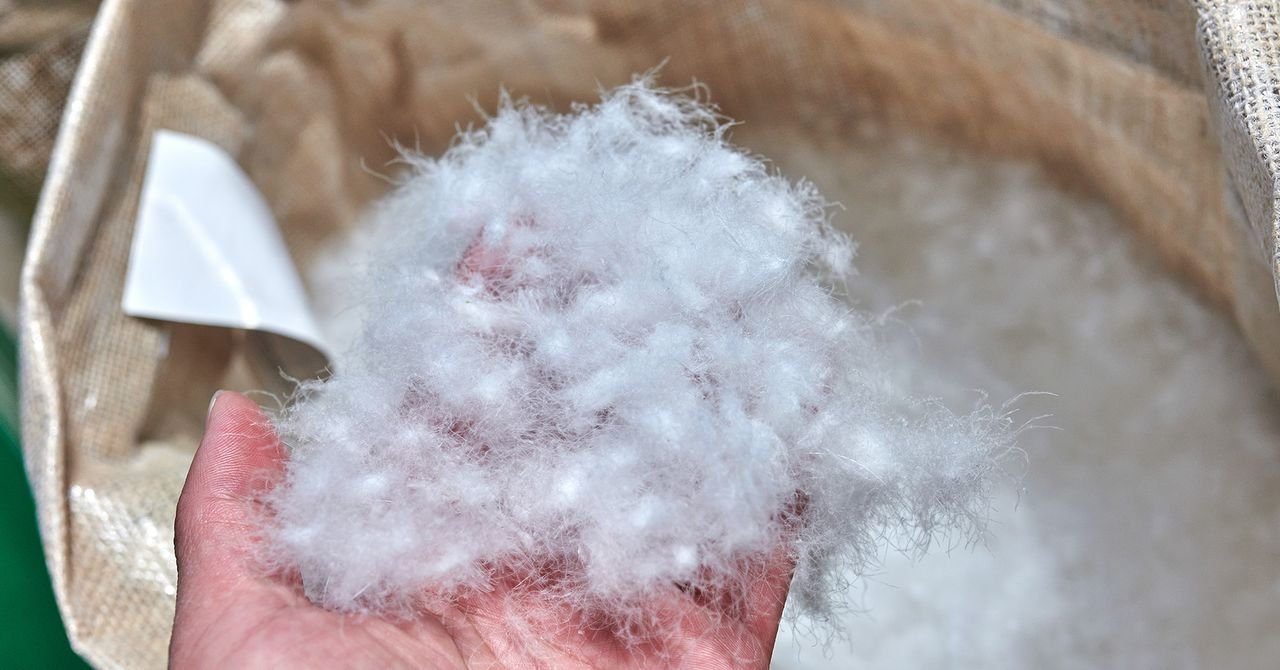

Ever wondered what truly sets apart a top-tier sleeping bag from a mediocre one, or why some puffer jackets feel like clouds while others are merely bulky? The answer often lies in a crucial, yet frequently misunderstood, metric: down fill power. Ranging typically from 450 to over 900, this number is more than just a figure; it’s a gateway to understanding the quality, warmth, and packability of your essential outdoor gear.
Decoding Down Fill Power: Quality Over Quantity
At its core, down fill power is a measure of the down’s “fluffiness” or loft. It’s not about how much down is present, but rather the quality of each individual down cluster. The higher the fill power, the larger and more resilient the down clusters, meaning they can trap more air for their weight.
The Lab Test: How Fill Power is Measured
To determine fill power, a standardized lab test is conducted. One ounce of down insulation is placed into a cylindrical container, then compressed by a weighted disc for one minute. The volume (in cubic inches) that the down occupies after compression is its fill power. For instance, 800 fill power means one ounce of that down lofts to 800 cubic inches.
This lofting ability is critical because warmth in down insulation comes from the tiny air pockets created by the down clusters. These pockets trap your body heat, preventing it from escaping. Therefore, a higher fill power translates to more air pockets per ounce, leading to a superior warmth-to-weight ratio and enhanced compressibility – vital for adventurers where every gram and inch of space counts.
High-end outdoor gear, such as ultralight jackets and sleeping bags designed for extreme cold, often boasts fill powers exceeding 900. This not only provides exceptional warmth but also allows the gear to pack down remarkably small, making it ideal for backpacking and travel.
Beyond Fill Power: The Importance of Fill Weight
While fill power tells you about the quality of the down, it doesn’t tell you the whole story of warmth. To truly understand how warm a product will be, you need to consider another vital metric: down fill weight.
Fill Weight: The Quantity Factor
Down fill weight is simply the total amount of down insulation in a product, typically measured in ounces or grams. It’s the quantity of down. When combined with fill power, it offers a much clearer picture of an item’s insulating capabilities.
Think of it this way: a jacket with 900 fill power and 2 ounces of down might offer similar warmth to a 600 fill power jacket with 3 ounces of down. The key difference? The 900 fill power jacket will be lighter and more compressible for the same warmth. This distinction becomes particularly significant with larger items like sleeping bags, where the weight difference between equivalent warmth levels can be substantial.
Savvy consumers, especially those with an eye on budget and performance, should always consider the warmth-to-weight ratio. Unfortunately, some less scrupulous manufacturers might highlight a high fill power without disclosing a low fill weight, creating a misleading impression of warmth. Always look for both numbers when making a purchase decision.
The Structural Integrity: Baffles and Design
Even with the highest quality down and optimal fill weight, a garment’s warmth can be compromised without proper construction. This is where baffles come into play – the internal compartments that hold the down in place.
Without baffles, gravity and movement would quickly cause the down to migrate and clump at the bottom of your jacket or sleeping bag, leaving cold spots. Baffles ensure an even distribution of insulation, maximizing loft and warmth across the entire product.
Common Baffle Types: Sewn-Through Construction
The most basic and common baffle design is the sewn-through baffle. In this construction, the outer shell fabric is stitched directly to the inner lining fabric, creating a series of channels or compartments. This method is cost-effective and lighter, as it uses less material. However, the stitching points create “cold spots” where the down is compressed and there’s no insulation, allowing heat to escape more easily. While suitable for milder conditions or lighter jackets, it’s generally less efficient for extreme cold compared to more advanced baffle designs.
Other factors, such as the outer fabric’s wind resistance and water repellency, also significantly impact overall warmth and performance. The continuous innovation in fabric technology, like Outdoor Vital’s Zero Stitch fabric, further enhances the efficiency and durability of down products, minimizing heat loss and maximizing protection.
Caring for Your Down Gear
To ensure your down products maintain their loft and warmth for years, proper care is essential. Regular cleaning, following manufacturer instructions, and proper storage (avoiding compression when not in use) will help preserve the integrity of the down clusters and extend the lifespan of your investment.
Understanding down fill power, fill weight, and construction elements like baffles empowers you to make informed decisions, ensuring your outdoor adventures are always warm, comfortable, and well-equipped.
For more details, visit our website.
Source: Link






Leave a comment