
Navigating Your Sexual Health: The Rise of At-Home STI Testing
For many, the thought of getting tested for sexually transmitted infections (STIs) can evoke feelings of complexity, confusion, or even embarrassment. Yet, in an era where sexual health is more critical than ever, accessible solutions are emerging. At-home STI tests are revolutionizing the process, offering a discreet and convenient alternative to traditional clinic visits. This shift comes at a crucial time, as the Centers for Disease Control reported a staggering 2.2 million infections in 2024, indicating a significant rise in STDs over the past decade.
While these at-home options provide unparalleled privacy and ease, they aren’t a one-size-fits-all solution. Understanding their benefits, limitations, and proper usage is key to making informed decisions about your sexual health. Let’s delve into what you need to know.
Understanding At-Home STI Tests
How Do They Work?
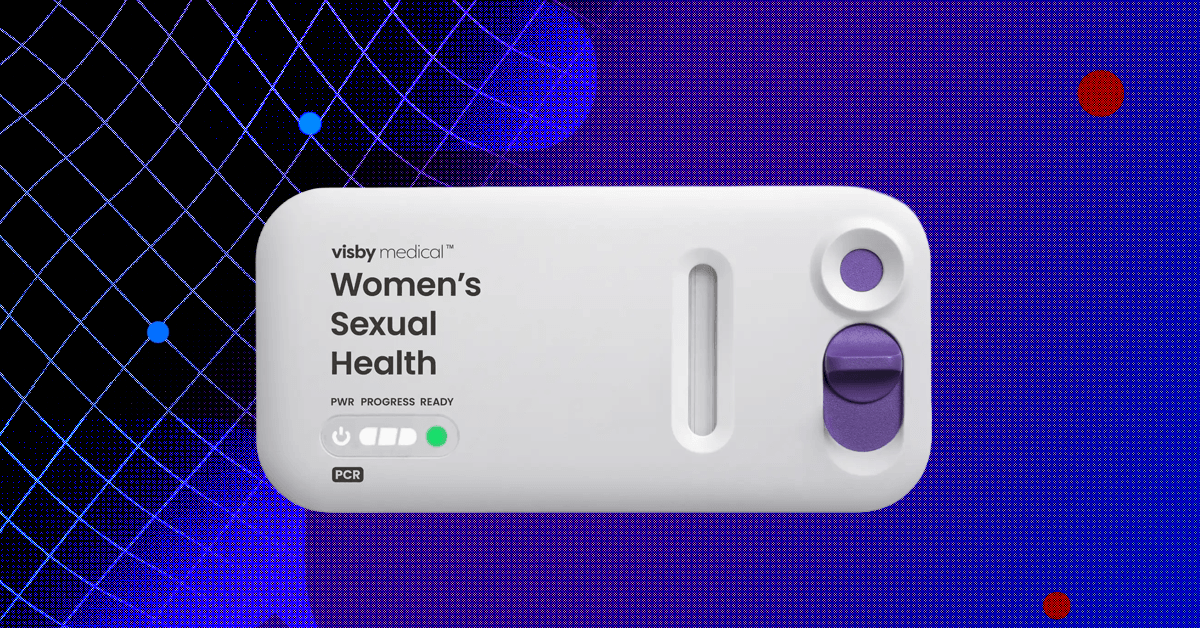
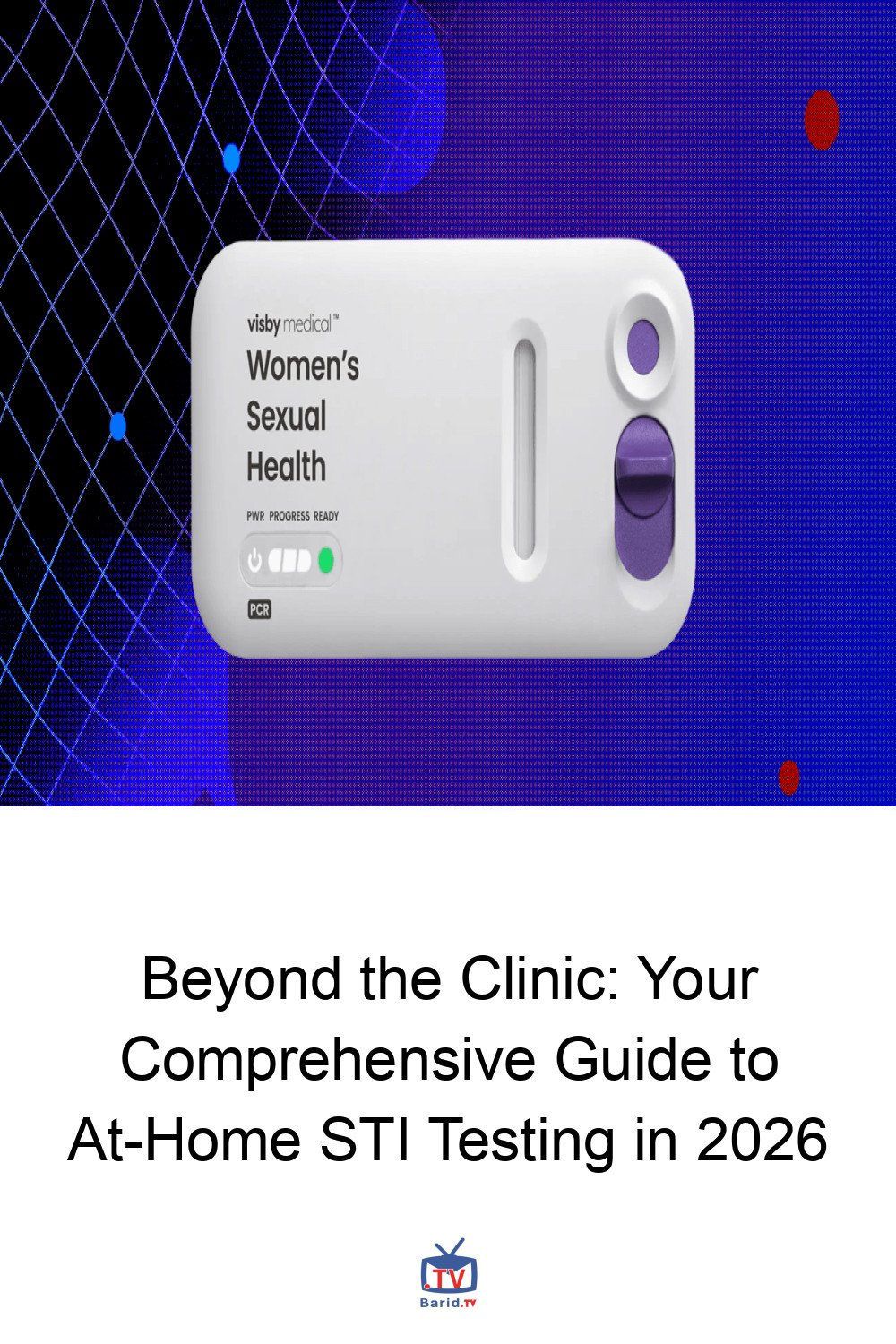
At-home medical testing has become commonplace, from COVID-19 to hormone level checks. At-home STI tests follow a similar principle, utilizing samples of your blood, urine, or swabs collected from the vagina or rectum to detect the presence of an infection. You’ll typically collect these samples using provided swabs, finger lancets, or collection cups. Depending on the specific test, you’ll either mail your samples to a certified lab for analysis or process them at home using a dedicated device. These tests generally range in cost from $100 to $400.
The Question of Accuracy
A common concern is the reliability of at-home tests compared to clinic-based screenings. Dr. Shannon Chatham, Medical Director at Wisp, clarifies, “At-home STI tests can be just as accurate as those performed in a doctor’s office when used correctly, since they often use the same laboratory testing methods.” She emphasizes that accuracy hinges on meticulously following collection instructions and selecting tests from reputable, FDA-approved, or CLIA-certified companies.
Dr. Kate McLean, Chief Medical Officer at Evvy, concurs on the potential for lab-level accuracy due to identical underlying technology. However, she adds a vital caveat: “A positive result should be paired with a care conversation to understand next steps.” This highlights that while testing can begin at home, professional medical guidance remains essential for diagnosis and treatment.
What Can You Test For?
At-home kits offer screening for several common STIs, including chlamydia, gonorrhea, Hepatitis C, syphilis, and trichomoniasis. Bacterial infections like chlamydia, gonorrhea, and syphilis are generally more straightforward to detect with at-home methods. However, for viral infections such as herpes, hepatitis, and HIV, testing conducted in a doctor’s office is often considered more reliable due to specific incubation periods and symptom considerations.
While home tests for herpes or HIV I and II are available, they are typically not recommended for routine screening unless you have specific symptoms or concerns. Many kits are designed to screen for multiple STIs simultaneously, and some even include follow-up consultations via telehealth or in-person if a positive result is detected.
For instance, companies like Dame offer kits checking for gonorrhea, chlamydia, and syphilis, with options for urine, vaginal, oral, and rectal samples. These arrive discreetly, and results are typically available within three to five business days after mailing samples to the lab.
Another notable option is Everlywell, which provides a range of at-home tests. Their STI screening kit, praised for its discreet packaging and clear instructions, delivers results to your phone in as little as 30 minutes, much like an at-home COVID-19 test. Should a positive result occur, Everlywell connects users with a telehealth provider for treatment discussions.
The Advantages of Home Testing
The appeal of at-home STI tests is multifaceted, primarily revolving around convenience and privacy:
- Unmatched Convenience: Order online or pick up at a local pharmacy, allowing you to test on your schedule, without the need for an appointment.
- Absolute Privacy: Conduct the test in the comfort and discretion of your own home, eliminating potential embarrassment or anxiety associated with clinic visits.
- Rapid Results:
Some tests, particularly those for individuals with vaginas, can provide results in as little as 30 minutes. This speed can be invaluable for responsible sexual health management, especially when doctor’s appointments have long wait times.
As licensed sexologist and relationship therapist Sofie Roos notes, “At-home STI tests can be a great alternative to professional sexual health screening. It’s always important to prioritize your sexual health.”
Important Considerations and Limitations
While highly advantageous, at-home STI tests come with certain limitations:
- Professional Follow-Up is Crucial: A positive result from an at-home test necessitates immediate contact with a medical professional for confirmation, diagnosis, and appropriate treatment. These tests are screening tools, not definitive diagnoses in isolation.
- Reliability for Viral Infections: As mentioned, tests for viral STIs like herpes and HIV are generally more reliable when performed in a clinical setting due to complex incubation periods and diagnostic protocols.
- Cost: Ranging from $100 to $400, these tests may not be financially accessible for everyone, and insurance coverage can vary.
- Lack of Immediate Counseling: Unlike a clinic visit, at-home tests don’t offer immediate, in-person counseling or the opportunity to discuss concerns directly with a healthcare provider during the testing process.
- User Error: Accuracy is highly dependent on following instructions precisely. Any deviation can compromise the reliability of the results.
Making an Informed Choice
At-home STI tests represent a significant step forward in sexual health accessibility, offering privacy, convenience, and often rapid results. They empower individuals to take proactive steps in managing their well-being. However, they are best viewed as a valuable component of a comprehensive sexual health strategy, not a complete replacement for professional medical care.
By understanding their capabilities and limitations, choosing reputable brands, and committing to professional follow-up when necessary, you can leverage at-home STI tests to confidently and discreetly manage your sexual health journey in 2026 and beyond.
For more details, visit our website.
Source: Link