
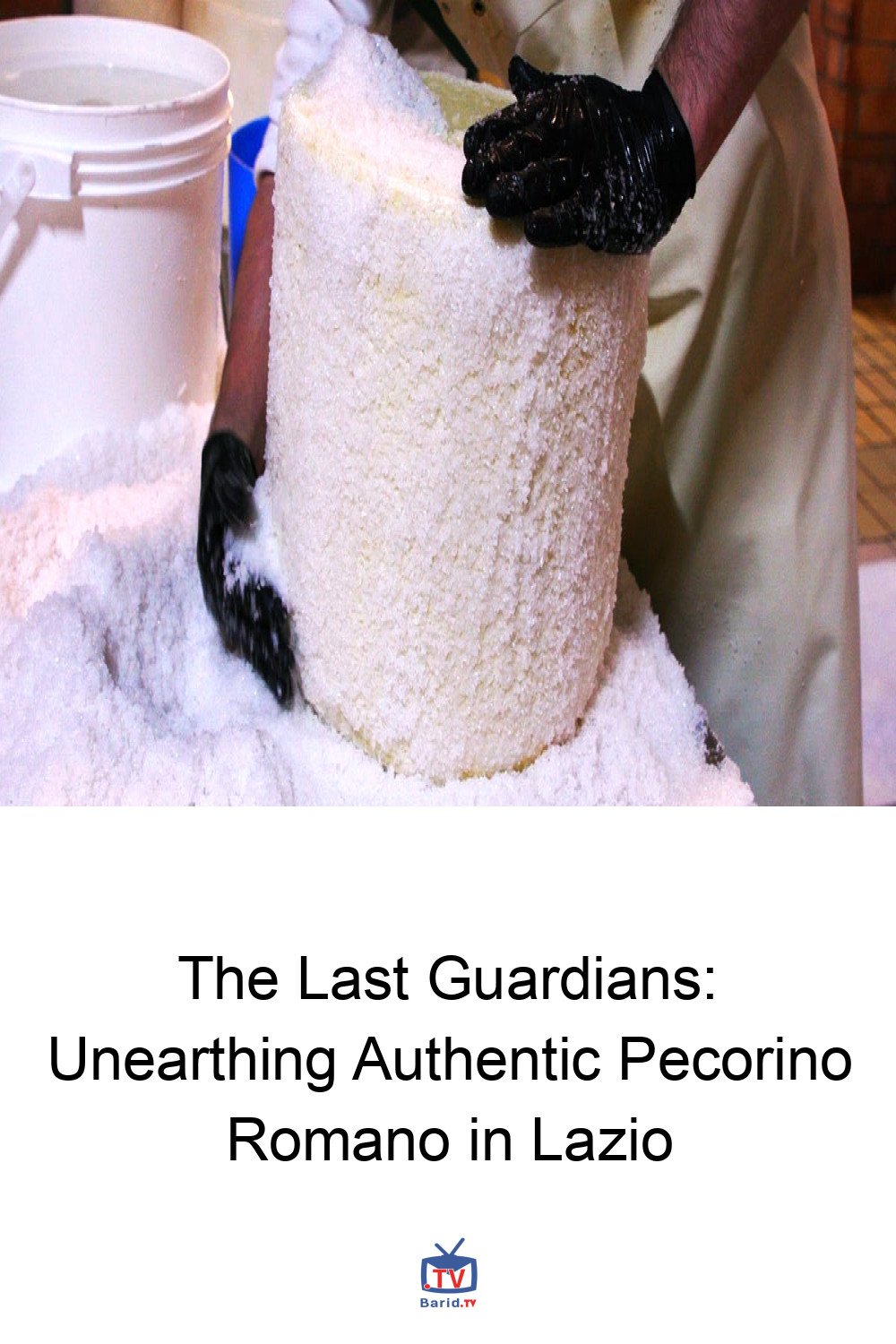
A Taste of Ancient Rome: The Enduring Legacy of Pecorino Romano
Pecorino Romano isn’t just a cheese; it’s a culinary time capsule, a pungent, salty echo of Ancient Rome that has graced tables for millennia. Its name itself, ‘Pecorino’ from ‘pecora’ (sheep) and ‘Romano’ for its origins, speaks to a heritage deeply rooted in the Lazio region. Yet, in a twist of modern economics and global appetite, the very essence of this historic cheese has drifted far from its birthplace. Today, much of what we call Pecorino Romano is produced outside of Lazio, raising questions about authenticity and tradition.
I Buonatavola: Preserving a Roman Tradition
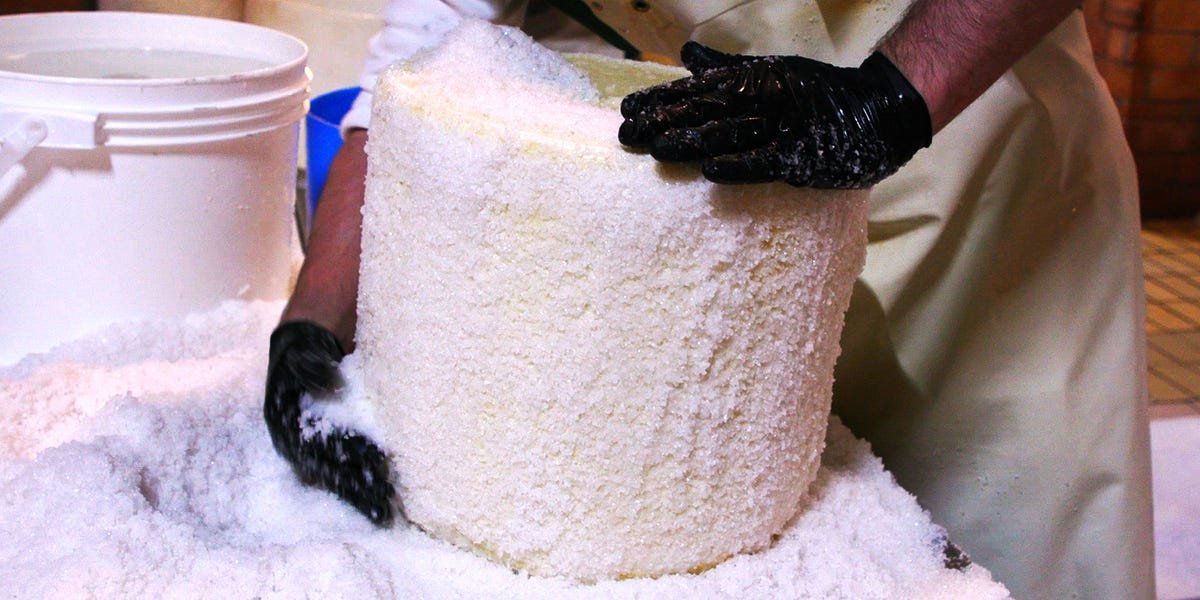
To truly understand the soul of Pecorino Romano, one must journey to its ancestral home. Our exploration takes us to I Buonatavola, a name synonymous with unwavering dedication to tradition. This esteemed producer stands as one of the last bastions in Lazio still crafting Pecorino Romano according to age-old methods. Here, amidst the rolling hills and pastoral landscapes, the intricate dance of sheep’s milk, rennet, and time unfolds, resulting in a cheese that carries the unmistakable terroir of its origin.
Global Demand vs. Local Craft: A Delicate Balance
The narrative of Pecorino Romano is a compelling case study in how global demand, particularly from the United States, has profoundly reshaped a regional delicacy. The insatiable international appetite for this robust cheese led to an expansion of production beyond Lazio, often to Sardinia, where conditions allowed for larger-scale manufacturing. While this expansion made Pecorino Romano accessible worldwide, it also created a distinct divergence in character and flavor profiles.
The Lazio Difference: A Nuance of Flavor
What sets Pecorino Romano made in Lazio apart from its counterparts produced elsewhere? It’s a subtle symphony of factors: the specific breeds of sheep, the unique flora of the pastures, the traditional aging processes, and the very air of the region. Producers like I Buonatavola adhere to strict D.O.P. (Denominazione di Origine Protetta) regulations that dictate everything from the origin of the milk to the production techniques, ensuring a cheese that embodies the true spirit of Roman cheesemaking. The result is often a more complex, nuanced flavor, a testament to the direct link between the land and the finished product.
Exports: A Lifeline for Tradition
Ironically, it is the very global demand that dispersed Pecorino Romano production that has also provided a lifeline for historic producers like I Buonatavola. Exports have enabled these traditional cheesemakers to sustain their craft, ensuring that the authentic taste of Pecorino Romano from Lazio continues to reach discerning palates worldwide. It’s a delicate balance, where international appreciation fuels the preservation of a precious local heritage, allowing the ancient flavors of Rome to endure for generations to come.
For more details, visit our website.
Source: Link