

The Endless Pursuit of ‘Enough’: Unmasking a Lifelong Struggle for Self-Worth
“The opposite of belonging is not isolation—it’s fitting in.” ~Brené Brown
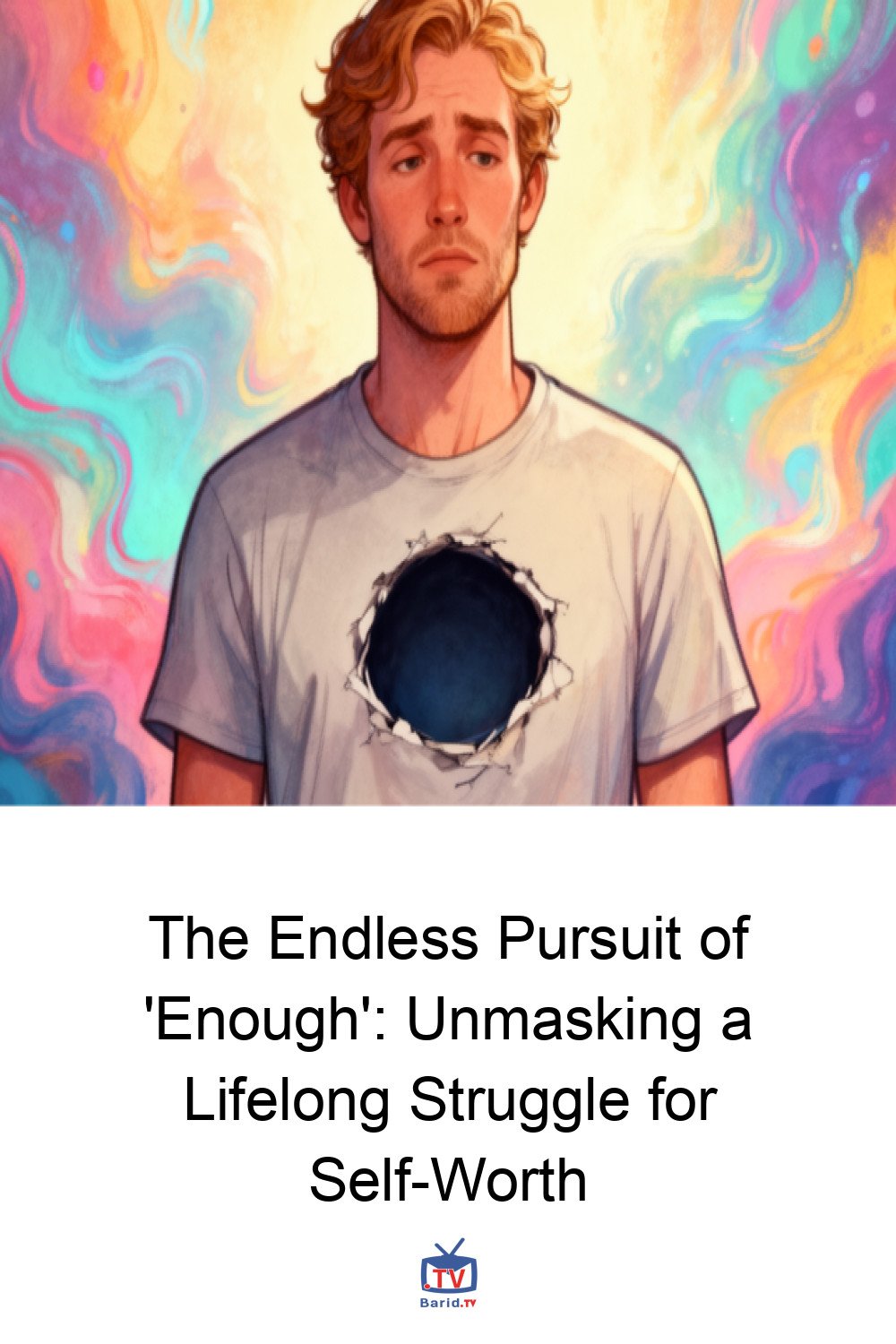
From the earliest whispers of memory, a profound and unsettling question has echoed within me: Am I good enough? It’s a query that has shaped decisions, dictated identities, and ultimately, led to a pervasive sense of emptiness. This is the story of a relentless pursuit of belonging, a journey through various façades, and the eventual, painful realization that true acceptance begins not with external validation, but within.
The Genesis of a Deep-Seated Fear
My first conscious encounter with this feeling dates back to kindergarten. A new pair of navy-blue corduroy pants, a rare treat, became an unexpected crucible for anxiety. Standing amidst my peers, a knot of tension tightened in my stomach. The fear wasn’t about the pants themselves, but what they represented: difference. Would I look stupid? Would I be excluded? The unspoken terror was that to stand out, even in the smallest way, meant something was inherently wrong with me. And if something was wrong, I couldn’t possibly be good enough.
A Kaleidoscope of Identities: The Quest to ‘Fix’ Myself
This foundational fear quietly shadowed my adolescence and early adulthood. Unsure of the invisible standard I was meant to meet, or for whom I was perpetually insufficient, I embarked on a series of desperate attempts to ‘solve’ the problem. Each new persona was a meticulously crafted shield, a hopeful bid for acceptance.
The Funny Guy, The Popular Kid, The Bodybuilder, The Lone Wolf
- First, I became the funny guy, chasing laughter that often led to trouble, a fleeting sense of belonging at the cost of genuine connection.
- Then, the popular kid, meticulously curating my appearance, energy, and every interaction, exhausting myself in the process of maintaining an appealing exterior.
- Later, the bodybuilder, retreating into a world of iron and discipline, where physical perfection was a proxy for inner worth.
- Finally, the lone wolf: a vision of perfect routines, impeccable grades, an ideal physique, and a life that projected discipline and impressiveness.
Each iteration felt like a serious, heartfelt attempt to finally feel ‘okay.’ Yet, none delivered. They worked, for a while, until the sheer weight of maintaining an inauthentic self became unbearable. The façade would inevitably crack, then collapse.
The Crushing Weight of Inauthenticity and Numbing
With each collapse came a deeper dive into numbing. In my younger years, it was food. By my teens, alcohol and drugs offered a more potent, albeit destructive, escape. The underlying feeling—a profound sense of not being permitted to simply exist as I was—was crushing. The cruel irony was that the harder I fought to escape this feeling, the more intensely it manifested. Each new identity had to be more extreme, more convincing, more impenetrable than the last, and each subsequent collapse hit with greater force.
Eventually, a chilling belief took root: the problem wasn’t what I was doing, but who I was. I began to internalize the idea that I was fundamentally flawed, destined to always fall short, perhaps even ‘not built to be good enough.’
Seeking Understanding, Finding No Relief
In my search for answers, I turned to therapy. Insights emerged: the early loss of my father, experiences of bullying, and an unstable upbringing provided a logical framework for my deep-seated insecurities. The explanations made sense, offering a cognitive understanding of my pain. Yet, even with this clarity, the gnawing emptiness persisted. The feeling of failing an invisible test remained. Insight illuminated the wound, but it failed to loosen its suffocating grip.
Love, Fear, and the Thailand Tipping Point
Meeting my girlfriend in my mid-twenties brought a period of unexpected lightness and security. For a time, the pervasive feeling of inadequacy receded. But as my love for her deepened, so too did a familiar, terrifying fear: the dread that she would eventually see the ‘real’ me, realize I was a fraud, and leave. This relationship, I feared, would become yet another piece of damning evidence that I wasn’t worth staying for.
This fear permeated every aspect of my life. My academic performance suffered, my work became a heavy burden. I clung desperately to the few anchors I had left—eating well, staying active—as if these routines could somehow prevent the inevitable unraveling. The move to Thailand, initially exciting, masked a profound exhaustion. I had been pretending for too long, feigning resilience against stress, uncertainty, and the constant pressure to perform. Upon arrival, something within me simply gave out.
Without conscious decision, I abandoned the last vestiges of my stabilizing routines. The feeling of ‘not good enough’ surged, stronger and faster than ever. Within weeks, I was convinced my girlfriend would abandon me for anyone ‘better.’ I was certain my colleagues would expose my inadequacy and replace me. This paralyzing fear became my new normal.
The Abyss of Withdrawal and a Glimmer of Truth
I stopped wanting to engage with anything. Simple thoughts felt arduous; getting out of bed, an impossible feat. From the outside, my withdrawal likely appeared as laziness or a lack of discipline. Internally, I was expending every ounce of energy simply to maintain the pretense that I didn’t believe the crushing truths I held about myself. This state persisted for nearly a year.
Then, during a short vacation home, sitting alone, I reflected on the year that had just passed. And in that quiet introspection, a truth finally became impossible to ignore: almost every decision I had made—my career choices, where I lived, how I spent my time—had been dictated by this deep-seated fear of inadequacy, a desperate, often unconscious, attempt to earn a worth I believed I lacked. This realization, stark and painful, was also the first fragile step towards a different path, a path not of striving for ‘enough,’ but of discovering inherent worth.
For more details, visit our website.
Source: Link