




The Digital Ghost of Dilbert: Unpacking Scott Adams’ AI Legacy
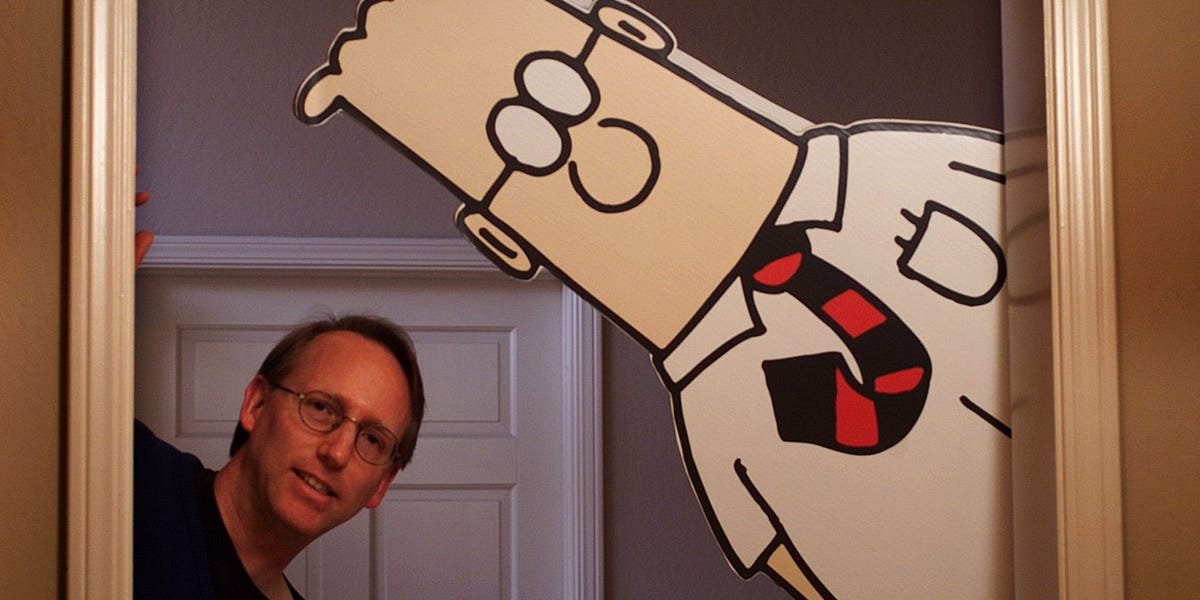
In an era increasingly shaped by artificial intelligence, the concept of a ‘digital afterlife’ is moving from science fiction to a tangible, albeit complex, reality. For public figures, this raises profound questions about legacy, control, and representation. Few cases encapsulate this ethical minefield quite like the potential ‘AI afterlife’ of Scott Adams, the controversial creator of the iconic Dilbert comic strip. What happens when an artist’s body of work, and indeed their persona, can be digitally resurrected or mimicked by algorithms? The ensuing ‘battle’ is not just technological, but deeply philosophical.
The Promise and Peril of Digital Immortality
The allure of digital immortality is undeniable. Imagine an AI capable of generating new Dilbert strips in Adams’ distinctive style, or an AI persona that could engage in debates, drawing from his vast public record. For fans, it might offer a continuation of beloved content; for historians, a novel way to interact with a figure’s intellectual output. However, this promise is shadowed by significant perils.
Ethical Quandaries of AI Personas
Creating an AI based on a real person, especially one with a complex public history, immediately triggers a host of ethical questions. Who grants consent for such a creation? Who controls its output? How does one ensure accurate representation, particularly when the individual’s views have evolved or become contentious? The very act of training an AI on a person’s life work implicitly endorses or at least perpetuates their narrative, irrespective of societal judgment.
Scott Adams: A Case Study in Controversy
Scott Adams’ career trajectory offers a particularly thorny challenge for the concept of an AI afterlife. While Dilbert remains a cultural touchstone, his recent years have been marked by highly controversial statements that led to widespread condemnation and the cancellation of his strip by many publications. This duality—a celebrated cartoonist and a divisive public figure—makes his case a potent symbol of the broader debate.
Reconciling Art with Persona
If an AI were to embody Scott Adams, would it only produce content in the vein of Dilbert, or would it also reflect the more contentious aspects of his public persona? The training data for such an AI would inevitably include both. The ‘battle’ then becomes about curation: who decides which facets of a person’s legacy are worthy of digital preservation and continued expression? And can an AI truly separate the art from the artist, or the artist’s past self from their present controversies?
Who Controls the Narrative?
At the heart of the ‘battle over Scott Adams’ AI afterlife’ lies the fundamental question of control. Intellectual property laws are still catching up to the nuances of AI-generated content, especially when it mimics a specific individual. Would Adams’ estate have rights over an AI persona? What about the public, who consumed and contributed to his cultural impact? The developers of such an AI would also hold immense power in shaping its parameters and outputs.
The Public’s Verdict: A Divided Digital Legacy
Public reception to an ‘AI Scott Adams’ would likely be as polarized as reactions to his recent statements. Some might welcome the return of Dilbert, while others would view any digital extension of his persona as an endorsement of his controversial views. This societal division highlights the profound responsibility inherent in creating AI personas, forcing us to confront not just technological capabilities, but also our collective values and memory.
The prospect of Scott Adams’ AI afterlife is more than just a hypothetical exercise; it’s a microcosm of the larger ethical and cultural dilemmas posed by advanced AI. It forces us to grapple with the nature of legacy, the boundaries of digital creation, and the enduring challenge of separating the creator from their creations, especially when the creator themselves becomes a source of contention. As AI continues to advance, these battles over digital ghosts will only intensify, shaping how we remember—and recreate—the figures of our past.
For more details, visit our website.
Source: Link





Leave a comment