
The AI Boom’s Hidden Cost: Your Next Smart TV
The relentless ascent of artificial intelligence is reshaping industries, but its impact isn’t confined to data centers and algorithms. A critical side effect, dubbed “RAMageddon,” is the escalating scarcity of RAM, and it’s poised to make your next television, game console, or even high-tech coffee maker significantly more expensive. For those eyeing a new TV, the message is clear: act sooner rather than later.
The Looming Price Hike for Consumer Electronics
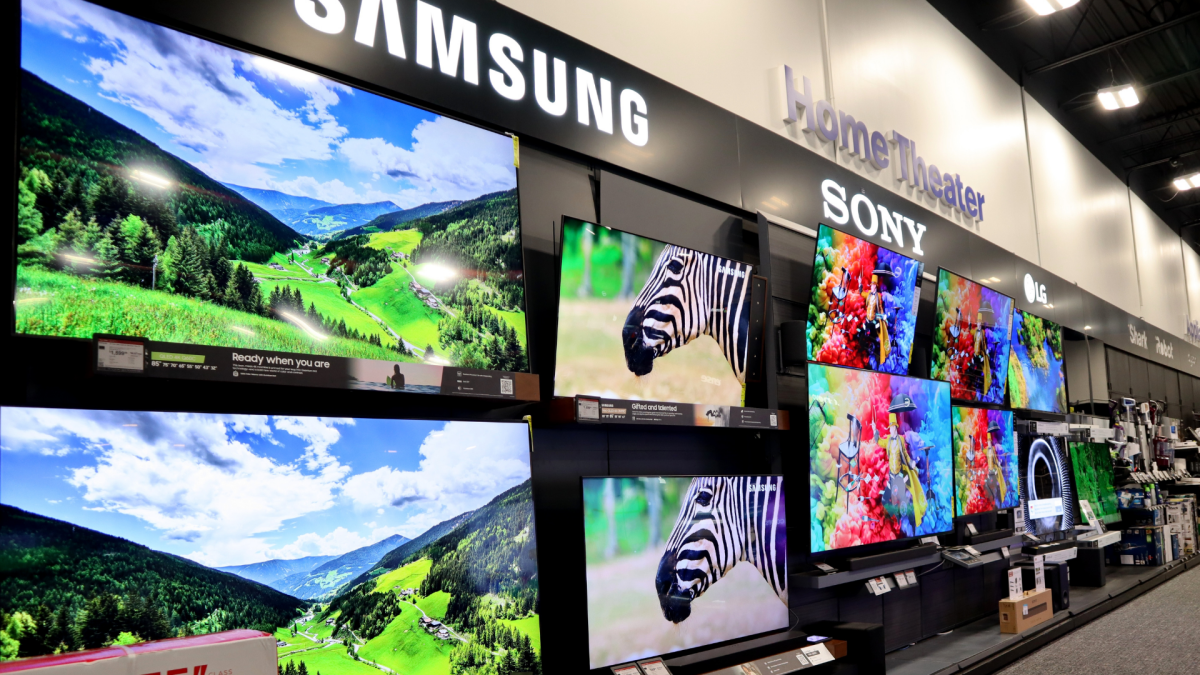
Modern smart televisions, essential for processing video and running advanced features, typically demand between 1GB and 8GB of RAM. Over the past year, the memory units commonly found in 4K TVs have seen their prices quadruple. This dramatic increase is unlikely to be absorbed by manufacturers alone. Industry analysts, including TrendForce, have declared a “unavoidable” price hike for TVs, with giants like Samsung already acknowledging the potential need to reprice their products.
While the impact on TVs might be less severe than for high-end PCs or smartphones, which utilize more advanced and extensive memory, the trend is undeniable. Consumers should brace for updated pricing when 2026 models hit the market.
Unpacking the RAM Shortage: AI’s Insatiable Demand
So, what’s fueling this “RAMageddon”? The primary culprit is the colossal demand from tech behemoths like Microsoft, Google, and Nvidia, who are voraciously acquiring memory supplies to power their burgeoning AI data centers. These corporate giants possess immense market power, allowing them to secure vast quantities of RAM, often at the expense of smaller manufacturers.
“When memory tightens, prices rise, product launches shift…margins compress and smaller companies struggle more than large tech giants,” explains Marco Mezger, executive vice president of memory tech company Neumonda, to Axios. This imbalance leaves TV makers, with comparatively less market leverage, at a significant disadvantage.
Seize the Moment: Why Now is the Best Time to Buy a New TV
Despite the grim outlook, there’s a silver lining for savvy consumers: current retail TV prices have yet to reflect the surging RAM costs. In fact, between 2024 and early 2026, smart TV prices saw an overall decrease of 15%, creating an unusually opportune buying window.
Manufacturers also frequently offer aggressive discounts at this time of year to clear inventory before new models are released. This confluence of factors means that the televisions currently on shelves were priced before the full impact of the RAM shortage hit the retail market. Furthermore, some companies strategically lower TV prices, offsetting costs by monetizing user data—a practice consumers can mitigate with privacy settings.
These dynamics are leading to exceptional deals, such as a 65-inch OLED TV from Samsung for under $900. If a new television is on your wish list, delaying your purchase could prove costly.
The Long Road Ahead: When Will RAM Prices Stabilize?
The memory shortage is not a fleeting issue. Industry analysts largely agree that a return to “normal” pricing and supply levels is unlikely before 2028. Projections indicate that AI demand alone will consume a staggering 70% of all high-end DRAM in 2026, forcing manufacturers to prioritize these lucrative, advanced chips over the less sophisticated memory used in TVs and other appliances.
While billions are being invested to ramp up memory manufacturing, building new fabrication plants is a lengthy process—taking approximately 19 months in Taiwan and even longer in the U.S. Consequently, elevated TV prices are expected to persist well into 2028. The message is clear: for those in the market for a new TV, the present moment offers a rare advantage that may soon vanish.
For more details, visit our website.
Source: Link