
The Volatile Equation: Iran, Oil, and Your Wallet
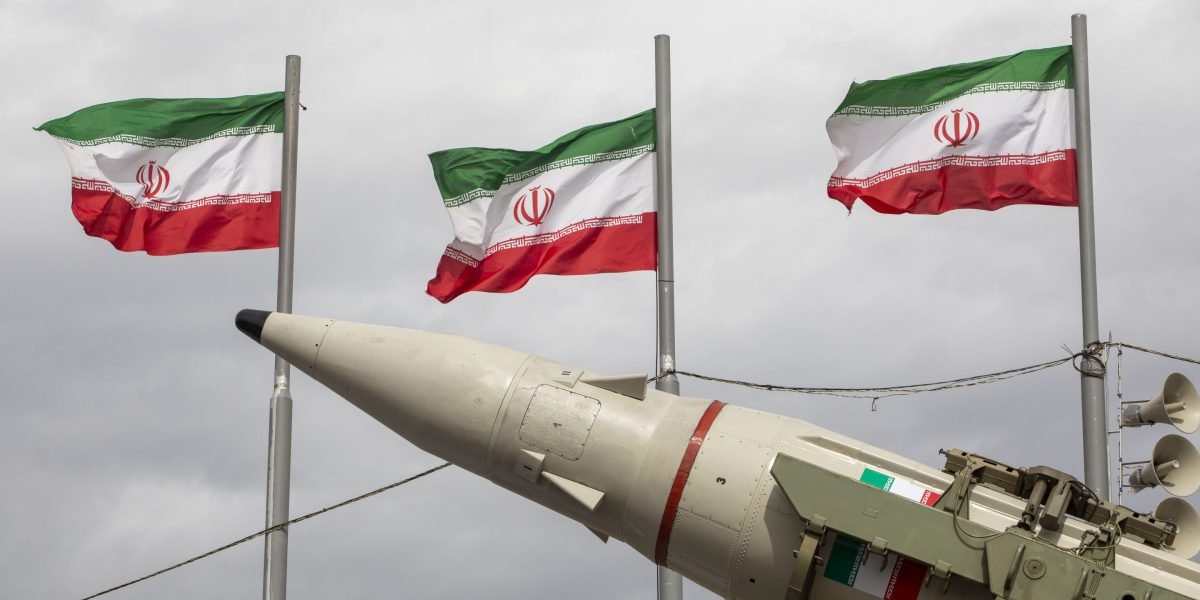
A significant U.S. military presence, the largest since the 2003 Iraq invasion, has converged on the Middle East, signaling a tense standoff with Iran. The geopolitical ripples of this confrontation could have a dramatic, two-sided impact on global energy markets and, crucially, on the price you pay at the pump. Experts suggest that a resolution could see average gasoline prices dip to $2.50 per gallon, while a full-blown conflict might send them skyrocketing towards $5.
The Strait of Hormuz: A Global Chokepoint
At the heart of this extreme price volatility lies the Strait of Hormuz. This narrow, 104-mile waterway is the indispensable conduit connecting the oil-rich Persian Gulf to the Indian Ocean and, by extension, to global energy markets. Approximately 20 million barrels of oil—a substantial portion of the world’s daily supply—traverse this strait, originating from major producers like Saudi Arabia, Iraq, Iran, Kuwait, and the United Arab Emirates.
“The stakes are incredibly high,” warns Dan Pickering, founder of Pickering Energy Partners. He emphasizes that the greatest risk of disruption stems from a cornered Iran, feeling it has nothing left to lose. While the conventional “playbook” for Middle East conflicts over the past two decades has largely avoided targeting oil infrastructure, a desperate Iran could deviate from this norm. Scenarios include mining or blockading the strait, or even striking neighboring oil-producing nations like Saudi Arabia and the UAE.
Matt Reed, Vice President at Foreign Reports, underscores the gravity of the situation: “All bets are off if the Supreme Leader (86-year-old Ayatollah Ali Khamenei) decides it’s truly a fight for regime survival.”
Escalating Desperation and Fading Diplomacy
The current climate is “more alarming” than previous periods of tension, according to Reed. The chasm between the U.S. and Iran over a revised nuclear deal—following President Donald Trump’s 2018 withdrawal from the original agreement—appears to be widening. Compounding this, Iran is grappling with severe internal civil unrest, pushing the regime to a point of heightened desperation.
“Iran is infinitely more desperate today. It’s facing an existential fight, potentially, which means it’s more inclined to lash out if only to raise the cost of U.S. intervention,” Reed explains. He suggests that a cornered Tehran might target its oil-rich Arab neighbors as “easy targets,” triggering a massive oil price shock that would inflict global economic pain. The prospects for a diplomatic breakthrough are “fading by the day,” with both sides reiterating “the same tired talking points” heard a year prior.
The Price of Conflict: Scenarios for Your Gas Tank
Even without direct conflict, Iranian tensions have already impacted markets. The U.S. oil benchmark recently hovered above $66 a barrel, a nearly $10 increase attributed solely to these geopolitical anxieties. This premium, according to Pickering, suggests energy markets are pricing in roughly a 25% chance of a major Middle Eastern conflict. While the odds still lean towards a peaceful resolution or a contained military action leading to stronger negotiations, the risks are palpable.
President Trump’s focus on energy affordability, particularly during a midterm election year, and his long-held desire for U.S. oil prices to reach $50 per barrel (below the $60 profitability threshold for most producers) indicate a preference for a deal with Iran. Such a price point would translate to retail gasoline prices closer to $2.50 per gallon, a significant drop from the current average of $2.93 and rising.
OPEC, led by Saudi Arabia and the UAE, is also considering increasing oil volumes, which could partially mitigate the impact of a modest military conflict. However, a blockade of the Strait of Hormuz is a different beast entirely. Claudio Galimberti, chief economist at Rystad Energy, states unequivocally that such a blockade would be “simply unsustainable over a long period for global energy markets.”
Potential Price Spikes and Diplomatic Hopes
- Contained Conflict: A limited conflict in Iran could push oil prices up by another $15 to $20 per barrel, surpassing $80.
- Strait Disruption: Any significant impact on the Strait of Hormuz would likely send oil prices soaring above $100 per barrel, potentially pushing gasoline towards $5 per gallon.
- Peace Deal: Conversely, a peace deal could see the U.S. benchmark fall below $60 per barrel.
- Broader Deal: A comprehensive agreement that lifts sanctions on Iranian oil and allows its re-entry into global markets could further reduce prices by $5, bringing them closer to Trump’s target of $50 per barrel. Global markets are currently oversupplied, and additional Iranian barrels would significantly depress prices.
“We don’t discount the fact that you could have a diplomatic resolution and a new nuclear deal,” Galimberti notes, though he concedes it “does look like it’s a little bit of a long shot.”
The Unpredictable Future
Ultimately, the global consensus is to avoid any disruption to the Strait of Hormuz. Yet, the equation remains precarious, vulnerable to a desperate Iranian regime or even an accidental misstep. As Pickering aptly puts it, “Iran’s ability to wreak havoc is pretty high if it decides to take that step. It’s a really big step, because then you’ve poked the bear.” He recalls that even when “bombs were literally falling in June,” Iran refrained from such a drastic measure. The question now is whether the current, more desperate circumstances will change that calculation.
For more details, visit our website.
Source: Link